Key takeaways
- Clean one cushion or arm first, then assess the result before treating the entire sofa.
- Use white towels so you can see whether dye is transferring from the upholstery.
- Label a small storage bin for the extractor, tools, solution, and towels to keep a compact home organized.
- Schedule deep cleaning for a dry, well-ventilated day so cushions have enough time to air out.
What's inside
A sofa collects more than crumbs. Dust, body oils, pet hair, drink spills, and cooking residue can settle deep into the upholstery, especially in compact homes where one couch may serve as seating, a work spot, and a dining area. Regular cleaning keeps fabric looking better, reduces lingering odors, and prevents a small stain from becoming a permanent feature.
This guide explains the best way to clean a sofa safely in 2026, whether you are refreshing a fabric couch, treating a pet accident, or tackling an older mark. You will learn how to identify the upholstery, choose between dry and wet cleaning, use a portable extractor without over-wetting the cushions, and organize the process so your small space stays usable.
As an Amazon Associate we earn from qualifying purchases.



Our Recommended Picks
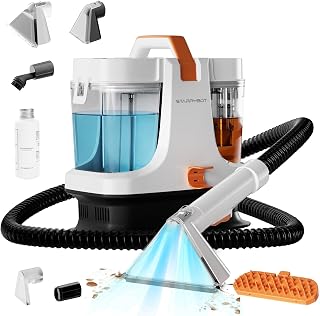
For occasional spills and routine upholstery care, a compact extractor is usually more practical than a full-size carpet machine. The Shark StainStriker Portable Carpet/Upholstery Cleaner is a versatile option when you want dedicated stain and pet-mess tools. The WECLEAN C1 Portable Extractor is suited to straightforward couch and carpet cleaning, while the Uwant 18Kpa Upholstery Cleaner includes several brush heads for cars, rugs, pets, and furniture. The Starrybot Upholstery Cleaner Machine and Uwant Carpet Cleaner Machine 18Kpa Portable Carpet Cleaner are useful alternatives for shoppers prioritizing strong suction and a larger water setup. For a very compact spot-cleaning routine, the Carpet Cleaner Machine Upholstery 450W Shampooer is designed for furniture, mattresses, car seats, and small areas.
1. Check the Upholstery Before Adding Water
Look for the manufacturer’s cleaning code beneath a cushion or on the sofa’s care label. “W” generally indicates water-based cleaning, while “S” means solvent-based products should be used. “W/S” allows either approach, and “X” usually means vacuuming or professional cleaning only. If there is no label, contact the manufacturer rather than guessing.
Test any cleaner on a hidden section first. Apply a small amount, blot it, and let the area dry fully. Check for color transfer, fading, water rings, stiffness, or fabric distortion. Velvet, silk, loose-weave textiles, and vintage upholstery need especially cautious treatment.
2. Prepare the Sofa and the Room
Remove throws, cushions, and nearby objects before cleaning. In a small room, place cushions upright in the bathtub, shower, or another clean area rather than spreading them across the floor. Open a window if possible, and create a clear route to the sink so dirty water does not have to cross the room.
Vacuum slowly using an upholstery attachment, working from the back and sides toward the seat. Use a crevice tool along seams, beneath removable cushions, and around the sofa base. For pet hair, a rubber glove or slightly damp rubber squeegee can gather clumps before vacuuming. Skipping this stage turns loose debris into muddy residue once water is introduced.
3. Treat Stains Before Deep Cleaning
Identify the spill if you can. Blot fresh liquid with white towels, pressing from the outside of the mark toward the center. Do not scrub; friction can spread the stain and roughen the fibers. Scrape dried solids gently with a spoon or dull card.
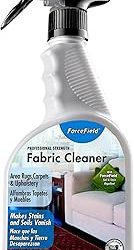
Use a fabric-safe spot treatment that matches the upholstery code. Apply it to a cloth or directly to the stain in a controlled amount, then blot. Avoid mixing products, particularly bleach, ammonia, disinfectants, and acidic cleaners. A portable machine can remove the residue afterward, but it should not replace careful pre-treatment.
4. Use an Upholstery Extractor with Restraint
Fill the clean-water tank according to the machine instructions and use only the recommended cleaning solution. Too much detergent leaves a sticky film that attracts new dirt. Work in small sections, beginning at the highest point of the sofa and moving downward.
Make a short spray pass, followed by several slow suction passes with little or no additional water. The goal is to rinse and recover moisture, not saturate the cushion. Keep the nozzle moving rather than holding it in one place. On a removable cushion, clean both sides only if the care instructions permit it and the cushion can dry completely.
Portable machines such as the Shark StainStriker, WECLEAN C1, and Uwant 18Kpa models can be convenient in apartments because they are easier to store than full carpet cleaners. Compare tank capacity, hose reach, tool size, and how easily the dirty-water tank can be emptied. Strong suction is helpful, but technique matters more than a headline power figure.
5. Dry Thoroughly and Reset the Room
Press clean, dry towels over damp areas to lift remaining moisture. Stand cushions on edge with space between them, and point a fan across—not directly into—the upholstery. Avoid using the sofa until it is dry to the touch throughout; thick foam can remain damp inside long after the surface feels dry.
Once dry, vacuum lightly to restore the pile. Refit cushions only when their covers and interiors are completely dry. Empty and rinse the machine’s tanks, wash removable tools, and leave components open to air-dry. This small cleanup prevents mildew smells and keeps the next stain-removal session hygienic.
Tips
- Clean one cushion or arm first, then assess the result before treating the entire sofa.
- Use white towels so you can see whether dye is transferring from the upholstery.
- Label a small storage bin for the extractor, tools, solution, and towels to keep a compact home organized.
- Schedule deep cleaning for a dry, well-ventilated day so cushions have enough time to air out.
Frequently Asked Questions
How often should a sofa be deep cleaned?
Vacuum weekly in a busy household and deep clean roughly every six to twelve months. Homes with pets, allergies, children, or frequent eating on the sofa may need more frequent spot treatment and seasonal extraction.
Can I clean a sofa with dish soap?
Dish soap can be difficult to rinse from upholstery and may leave a visible ring or sticky residue. Use a product formulated for the fabric and machine, and follow the sofa manufacturer’s instructions first.
Why does my sofa smell after cleaning?
A lingering odor usually indicates excess moisture, detergent residue, or a source beneath the surface. Improve airflow, extract again with minimal clean water if the fabric allows, and let the sofa dry fully. Persistent smells may require professional inspection.
Should I clean the cushion covers in a washing machine?
Only if the care label specifically permits machine washing. Covers can shrink, distort, or fail to fit afterward. Remove them carefully, close zippers, use the stated cycle, and air-dry unless the manufacturer gives different instructions.
Conclusion
The best way to clean a sofa is a controlled sequence: identify the fabric, vacuum thoroughly, pre-treat carefully, use limited moisture, extract slowly, and dry completely. A compact upholstery cleaner can make the job easier in a small home, but safe fabric testing and moisture control are the essentials that protect both your sofa and your space.