Key takeaways
- Film-forming vs. penetrating: Film finishes like polycrylic sit on top and shrug off spills; penetrating oils soak in and can be spot-repaired without stripping the whole surface. In a small home where you can’t move a table to a garage, spot-repairable wins.
- Cure time and ventilation: An apartment with one openable window changes the math. Look for low-VOC, water-based, or plant-oil formulas with cure windows measured in days, not weeks, and plan to eat elsewhere meanwhile.
- Veneer vs. solid wood: Engineered tops and veneered surfaces take thin coats only. Heavy oiling can lift edges or blotch; a light beeswax conditioner or a thin water-based topcoat is safer.
- Sheen and light: Satin and matte hide fingerprints and scratches far better than gloss, and they don’t bounce glare around a room already fighting for natural light.
- Coverage math: A typical six-seat table is roughly 20 to 25 square feet including edges and the underside lip. Buy for two coats plus a small reserve for future touch-ups rather than guessing.
What's inside
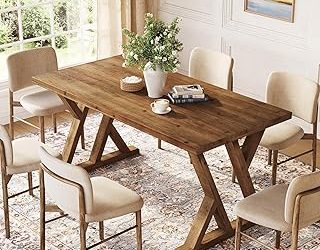
A dining table in a compact home rarely gets to be just a dining table. It’s the laptop desk, the mail sorting station, the place where a bowl of soup lands at 9pm because standing at the counter felt too sad. That kind of workload shows up fast: rings from cold glasses, dull patches where forearms rest, the cloudy haze that appears after a well-meaning wipe-down with the wrong spray. When the same surface has to absorb every function of a household, the finish on top of it becomes the single most important decision you’ll make about that piece of furniture.
This guide looks at wood finishes through a small-space lens, where a table can’t be babied and can’t be swapped out seasonally. We cover the four finish categories worth your money in 2026 — hardwax oils, varnish oils, water-based topcoats, and beeswax conditioners — plus how to read your table’s existing surface before you touch it with anything. Two extendable tables are included as well, since a leaf that stows inside the frame changes what a finish needs to tolerate.
As an Amazon Associate we earn from qualifying purchases.




How to Choose a Wood Finish For Dining Room Table (2026)
- Film-forming vs. penetrating: Film finishes like polycrylic sit on top and shrug off spills; penetrating oils soak in and can be spot-repaired without stripping the whole surface. In a small home where you can’t move a table to a garage, spot-repairable wins.
- Cure time and ventilation: An apartment with one openable window changes the math. Look for low-VOC, water-based, or plant-oil formulas with cure windows measured in days, not weeks, and plan to eat elsewhere meanwhile.
- Veneer vs. solid wood: Engineered tops and veneered surfaces take thin coats only. Heavy oiling can lift edges or blotch; a light beeswax conditioner or a thin water-based topcoat is safer.
- Sheen and light: Satin and matte hide fingerprints and scratches far better than gloss, and they don’t bounce glare around a room already fighting for natural light.
- Coverage math: A typical six-seat table is roughly 20 to 25 square feet including edges and the underside lip. Buy for two coats plus a small reserve for future touch-ups rather than guessing.
The Best Wood Finish For Dining Room Table (2026)s Reviewed
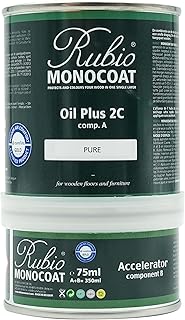
Rubio Monocoat Oil Plus 2C
A true one-coat hardwax oil that bonds molecularly to bare wood, which means no film to chip and no witness lines when you repair a scratch later. The 350 ml kit covers around 175 square feet, so a single bottle handles most dining tables with room to spare — just be disciplined about wiping off every bit of excess within 15 minutes.
Tried & True Superior Varnish Oil
Pine resin and polymerized linseed oil, no metallic driers or solvents, which makes it the most livable option for anyone finishing a table inside a studio or one-bedroom. It builds slow and thin, so budget three or four coats over a week, but the resulting surface handles daily meals and takes a scuff without drama.
Minwax Polycrylic Protective Finish, Satin
The pragmatic choice when maximum spill resistance matters more than repairability — water-based, low odor, dries to recoat in about two hours. Apply thin coats with a synthetic brush or foam applicator and sand lightly between them; heavy passes are what cause the plasticky look people complain about.
PIPIHUA Beeswax Polish and Conditioner
This isn’t a protective finish so much as maintenance, and that distinction saves people a lot of disappointment. On an already-sealed or veneered table it revives color, softens minor surface scratches, and adds a light water-beading layer — ideal for the quarterly refresh on a table you can’t strip and refinish.
Ashley Ralene Extendable Dining Table
A veneered engineered-wood top with an 18-inch butterfly leaf that stores inside the table, which is genuinely useful when a dining room doubles as a hallway. Treat the factory finish as permanent and maintain it with beeswax only; sanding through veneer is a one-way trip.
Frequently Asked Questions
Can I apply oil over an existing polyurethane finish?
No. Penetrating oils need raw wood to bond, so they’ll simply sit on top of a sealed surface and stay tacky. Sand to bare wood first, or use a wax-based conditioner instead.
How long before we can actually eat at the table?
Water-based topcoats are usable in about 24 hours and fully cured in 7 to 14 days. Plant-oil finishes are typically dry to touch overnight but need two to three weeks before they resist hot plates well.
What’s the safest option around kids?
Fully cured finishes are all food-safe once hardened, but if cure-time exposure concerns you, choose a linseed-and-resin varnish oil or a hardwax oil with no solvent carriers.
How do I handle the extension leaf?
Finish it at the same time as the tabletop, both faces and all edges, so it expands and contracts at the same rate as the main surface. Uneven sealing is the usual cause of leaves that stop sliding smoothly.
Final Thoughts
For most small-space dining tables, Rubio Monocoat Oil Plus 2C is the smartest investment — one coat, spot-repairable forever, and no need to relocate furniture for a multi-day refinishing project. If you want a plant-based finish with a warmer, hand-rubbed depth, Tried & True Superior Varnish Oil is worth the extra coats, and Minwax Polycrylic remains the reliable pick when you need a hard, waterproof film over a table that takes real abuse.