Key takeaways
- Project type: Choose a rigid wood top for assembly, woodworking, and clamping; use a mat when your existing bench mainly needs protection from scratches, stains, and tool impact.
- Thickness: Thicker slabs resist flexing and feel more substantial under hand tools, while thinner mats preserve working height and are easier to trim or replace.
- Surface treatment: Unfinished wood lets you select an oil, stain, paint, or clear sealer, but it requires preparation before handling glue, finishes, and spills.
- Available space: Measure the bench frame, wall clearance, and access path before buying. A top that overhangs too far can reduce usable floor space in a compact workshop.
- Maintenance: Consider how easily the surface wipes clean and whether you are willing to reseal it periodically. Protective mats are convenient, but wood offers more repairability over time.
What's inside
A workbench top has to do more than fill the space above a set of legs. It needs to tolerate dents, glue, spills, clamps, sharp tools, and the occasional project that grows beyond the original plan. In a compact garage, basement, or utility room, the wrong surface can also make the bench louder, harder to clean, and less useful for everyday tasks.
This guide compares practical workbench top materials for 2026, from solid acacia and birch slabs to protective rubberwood and flexible mats. The right choice depends on whether you need a permanent work surface, a replaceable protective layer, or a versatile top that can be cut to fit a small-space setup.
As an Amazon Associate we earn from qualifying purchases.




How to Choose a Workbench Top Material (2026)
- Project type: Choose a rigid wood top for assembly, woodworking, and clamping; use a mat when your existing bench mainly needs protection from scratches, stains, and tool impact.
- Thickness: Thicker slabs resist flexing and feel more substantial under hand tools, while thinner mats preserve working height and are easier to trim or replace.
- Surface treatment: Unfinished wood lets you select an oil, stain, paint, or clear sealer, but it requires preparation before handling glue, finishes, and spills.
- Available space: Measure the bench frame, wall clearance, and access path before buying. A top that overhangs too far can reduce usable floor space in a compact workshop.
- Maintenance: Consider how easily the surface wipes clean and whether you are willing to reseal it periodically. Protective mats are convenient, but wood offers more repairability over time.
The Best Workbench Top Material (2026)s Reviewed
48-Inch PVC Workbench Mat
This 48″ x 17″ Workbench Mat is a sensible upgrade for a narrow bench or a dedicated tool zone. Its 1.5mm PVC construction and non-slip steel-plate texture add a measure of scratch and stain protection without permanently changing the bench structure, making it especially useful for renters, hobbyists, and multi-purpose work areas.
Howizz Acacia Butcher Block
The Howizz Acacia Butcher Block Countertop brings the visual warmth and heft of solid wood to a DIY bench. At 36″ x 25″ x 1.5″, it suits smaller furniture projects and compact workstations, while its unfinished surface gives you control over the final finish; plan to sand and seal it before exposing it to frequent moisture or messy adhesives.
Unfinished Birch Butcher Block
This 60″ x 25″ x 1.5″ unfinished birch slab is a strong choice when you want a generous, furniture-like work surface. Its smooth-sanded face is ready for oil, stain, sealant, or paint, and the longer format can span a substantial bench, though its size should be checked carefully against stairways, doorways, and the supporting base.
ClosetMaid ProGarage Workbench Top
The ClosetMaid ProGarage Workbench Top uses heavy-duty rubberwood for a purpose-built workshop surface. Its scratch-resistant design is well suited to garages and utility spaces where durability matters more than a lightweight, temporary solution, and the finished appearance can help a functional workbench blend into an organized storage wall.
Drydiet PU Leather Workbench Mat
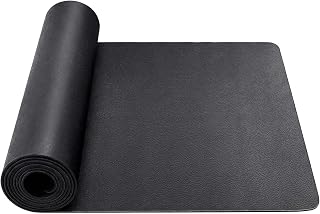
The Drydiet 24″ x 72″ Work Bench Mat is a practical topper for long benches, counters, and shared craft stations. Its PU leather surface is cuttable, easy to clean, and designed to resist scratches, so it can be trimmed around vises, storage hardware, or awkward corners in a small workshop layout.
Frequently Asked Questions
What is the best material for a general-purpose workbench?
Solid wood is usually the most versatile option because it provides a stable, repairable surface for assembly, crafting, and light woodworking. Acacia and birch are both practical choices, provided the top is properly supported and sealed for the work you do.
Are workbench mats worth using?
Yes, particularly when the existing bench is structurally sound but vulnerable to scratches, stains, or spills. A mat can also make cleanup easier and allow you to refresh the surface without replacing the entire top.
Should an unfinished butcher block be sealed?
In most workshops, sealing is a worthwhile step. It helps reduce staining and makes glue, dust, and occasional moisture easier to remove; select a finish based on whether you prioritize a natural feel, low maintenance, or resistance to heavier use.
How thick should a workbench top be?
A top around 1.5 inches thick offers a useful balance of stiffness, weight, and manageable installation for many home workshops. If you plan to do heavy hand-planing or frequent clamping, prioritize strong support underneath as well as thickness.
Final Thoughts
For a permanent, substantial bench, the unfinished birch butcher block is a strong all-around pick, while the Howizz acacia top suits smaller DIY stations with a warmer look. If you already have a usable bench and want an affordable, adaptable layer of protection, the 48-inch PVC mat or Drydiet PU leather mat is the more space-conscious solution.