Key takeaways
- Polypropylene (PP, recycling code 5): the standard for clear and colored totes. Stiff, light and resistant to most household chemicals. It can turn brittle in freezing temperatures, so a dropped box in a winter garage may crack at the corners.
- High-density polyethylene (HDPE, code 2) and other polyethylene blends: used for many heavy-duty and “rugged” totes. Slightly flexible, so it flexes instead of shattering in the cold. Usually opaque.
- Polystyrene or very thin clear plastic: found in the cheapest clear boxes. Looks crisp in the store but scratches easily and splits under stacking loads.
For most homes, a big plastic storage box in the 50 to 70 quart range with a latching lid is the best all-round choice, because it stacks, seals out dust and pests, and survives garages and attics where wood and open baskets fail. A wooden box only wins where it will be seen every day, and a big plastic basket only wins when you need to grab things fast and do not care about dust. The rest of this guide explains how to match the box type, size and plastic to the job, so you buy once.
Plastic Box, Wooden Box or Basket: The Short Version
People searching for a “multipurpose storage box big size” are usually solving one of three problems: long-term storage out of sight, everyday storage in a living space, or quick-access sorting. Each has a different best material.

Keter Westwood 150 Gal Outdoor Storage Box for Patio and Pool Accessories
Included for 'Big Plastic Storage Box or Wooden Chest? Sizes, Materials and Where Each Works' as a relevant option in this category; details come from the product listing.
View on Amazon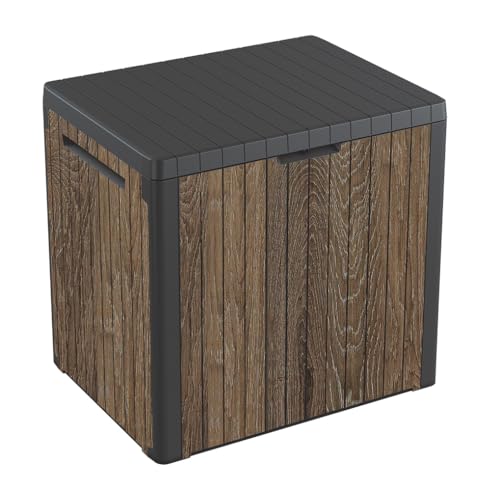
Keter Premium Everwood 30 Gal Outdoor Storage Box and Patio Side Table
Included for 'Big Plastic Storage Box or Wooden Chest? Sizes, Materials and Where Each Works' as a relevant option in this category; details come from the product listing.
View on Amazon
Keter Marvel 71 Gal Outdoor Storage Box for Patio and Pool Accessories
Included for 'Big Plastic Storage Box or Wooden Chest? Sizes, Materials and Where Each Works' as a relevant option in this category; details come from the product listing.
View on Amazon
Keter City Outdoor Plastic Storage Box Garden Furniture 57.8 x 44 x 54.8 cm - Brown
Included for 'Big Plastic Storage Box or Wooden Chest? Sizes, Materials and Where Each Works' because the listing specifies Brown, details this guide uses to compare options.
View on Amazon| Situation | Best type | Why | Typical price per unit |
|---|---|---|---|
| Garage, attic, basement, storage unit | Latching plastic tote, 50–70 qt | Seals out dust, moisture and insects; stacks 3–4 high | $12–$35 |
| Heavy tools, camping gear, moving | Heavy-duty plastic tote, 18–27 gal | Thick walls, reinforced rims, handles rated for real loads | $20–$50 |
| Living room, bedroom foot of bed | Wooden chest or trunk | Looks like furniture; can double as a bench | $80–$350 |
| Laundry, toys, pantry bulk | Big plastic basket, open top | Fast grab-and-go, ventilated, cheap | $8–$25 |
| Closet shelves, small parts | Small plastic box, 6–16 qt | Keeps small items from disappearing in a big bin | $3–$10 |
What “Big Size” Actually Means in Quarts and Inches
Box capacity is sold in quarts or gallons, but what matters is whether the box fits the shelf, the closet floor or the space under the bed. Four quarts equal one gallon, and the sizes below are typical outside dimensions for common rectangular totes. Exact numbers vary by brand by an inch or so, so measure your shelf before you buy a dozen.
| Capacity | Approx. outside size (L x W x H) | Good fit for | Realistic loaded weight |
|---|---|---|---|
| 32 qt (8 gal) | 23 x 16 x 7 in | Under-bed, low shelves | 15–25 lb |
| 56–66 qt (14–16 gal) | 23 x 16 x 12–13 in | Closet floor, garage shelving | 25–40 lb |
| 18 gal | 24 x 18 x 16 in | Garage racks, seasonal clothes | 30–45 lb |
| 27 gal | 30 x 20 x 15 in | Bedding, sports gear, holiday decor | 35–50 lb |
| 40–50 gal | 34 x 21 x 18 in or larger | Bulky, light items only | Keep under 50 lb |
The loaded weight column is the one people ignore. A 27 gallon box packed full of books can exceed 80 pounds, which is more than most lids and handles are designed for and more than you should lift overhead onto a garage shelf. A practical rule: big boxes for light, bulky things (bedding, pillows, coats, decor), smaller boxes for dense things (paper, books, tools, canned goods).
Not All Plastic Is the Same
Most storage totes are made from one of three plastics, and the difference shows up in cold garages and after a few years of stacking.
- Polypropylene (PP, recycling code 5): the standard for clear and colored totes. Stiff, light and resistant to most household chemicals. It can turn brittle in freezing temperatures, so a dropped box in a winter garage may crack at the corners.
- High-density polyethylene (HDPE, code 2) and other polyethylene blends: used for many heavy-duty and “rugged” totes. Slightly flexible, so it flexes instead of shattering in the cold. Usually opaque.
- Polystyrene or very thin clear plastic: found in the cheapest clear boxes. Looks crisp in the store but scratches easily and splits under stacking loads.
If the box will live in an unheated space, pick a thicker, slightly flexible tote. Squeeze the side wall: if it bows inward easily with one hand, it will also bow when three full boxes are stacked on top of it.
Clear or opaque?
Clear boxes let you see contents without labels, which matters when you have a wall of identical totes. Opaque boxes block sunlight, so they are better for anything that fades or yellows, such as photos, textiles and holiday decorations kept near a garage window. A sensible split is clear for the closet and pantry, opaque for the garage and attic.
Lids, Latches and Seals: Where Big Boxes Fail First
A big plastic box rarely fails at the walls. It fails at the lid. Here is the order in which parts typically wear out:
- Snap lids lose their grip after repeated opening, especially on large boxes where the lid spans more than 20 inches and sags in the middle.
- Thin latch hinges on flip-latch boxes fatigue and snap off, often within a few seasons of frequent use.
- Molded handles crack when a heavy box is lifted by one handle instead of both.
- Corners crack if the box is dropped while cold.
For long-term storage, look for latches that clip over the lid on both long sides, a lid with ribs or a raised center to resist sagging, and stacking recesses molded into the lid so the box above locks in place. Gasket-sealed boxes cost more but are worth it in basements and flood-prone areas; a plain lid keeps dust out but not humidity.
When a Big Wooden Box Makes More Sense
A big wooden box for storage is really a piece of furniture. It earns its price when it sits in a living area: a blanket chest at the foot of the bed, a toy box in a family room, or a storage bench in an entryway. Solid wood chests are heavy (often 40 to 90 pounds empty) and can last decades, while engineered wood chests are lighter and cheaper but chip at the edges and swell if they get wet.
| Factor | Plastic tote | Solid wood chest | Engineered wood box |
|---|---|---|---|
| Empty weight (large size) | 3–8 lb | 40–90 lb | 20–45 lb |
| Moisture tolerance | High | Moderate; can warp or mold if damp | Low; swells when wet |
| Stackable | Yes, 3–4 high | Rarely | Rarely |
| Can be sat on | No | Usually, around 200–250 lb | Check the rating; often lower |
| Expected life | 5–15 years | 20+ years | 5–10 years |
Two practical warnings. First, never store a wooden box directly on a concrete garage floor; concrete wicks moisture and the bottom panel will absorb it. Second, if a toy chest has a hinged lid, choose one with a lid support that holds the lid open at any angle, so it cannot slam on small hands.
Big Plastic Baskets: Fast Access, Zero Protection
A big plastic basket for storage is the right tool for things you touch every day: laundry, kids’ toys, pool gear, potatoes and onions, or shoes by the door. The ventilation holes that make baskets good for airflow also let in dust and pests, so baskets are the wrong choice for anything stored longer than a season. A rectangular basket in the 15 to 20 inch range fits standard 12 inch deep shelving poorly, so check depth; the most shelf-friendly baskets are about 11 to 14 inches deep.
Do Not Skip the Small Boxes
The fastest way to turn a big storage box into a junk drawer is to throw small items into it loose. A few small plastic boxes, in the 6 to 16 quart range, nest inside a big tote and keep cables, batteries, craft supplies or hardware grouped. Shoebox-sized containers (around 6 qt) are the most versatile because they fit on almost any shelf and inside nearly every larger tote.
A Simple Buying Checklist
- Measure shelf depth, height between shelves and the space under the bed before choosing capacity.
- Buy one size for each zone so boxes stack and lids are interchangeable.
- Choose latching lids for anything stored longer than a few months.
- Use opaque boxes in sunny garages and attics; clear boxes indoors.
- Keep any single box under about 40 pounds if it goes on a shelf above waist height.
- Label the short end of each box, since that is the side you see on a rack.
- Lift boxes onto a pallet, rack or a couple of furring strips in damp basements so air can move underneath.
FAQ
What is the best size plastic storage box for clothes?
For seasonal clothing, 56 to 66 quart boxes are the sweet spot. They hold a season’s worth of sweaters or jackets for one person, stay under 30 pounds when full, and fit standard closet shelves and garage racks.
Are big plastic boxes safe for long-term storage of photos and documents?
Polypropylene boxes are generally considered stable for storage, but the bigger risk is humidity and heat. Keep paper and photos in a climate-controlled room, add a desiccant pack, and avoid attics where summer temperatures soar.
Can I stack big plastic boxes four high?
Only if the lids are designed to interlock and the bottom box is packed full enough to support the weight. Half-empty boxes at the bottom of a stack collapse inward over time.