Our Top Picks
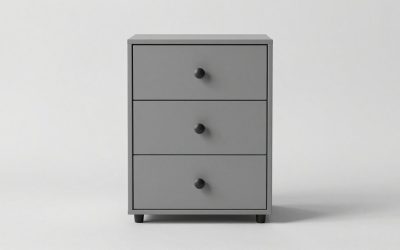
 AODK Small Dresser for Bedroom with 4 Storage11.73 x 15.74 x 31.77 Inches11.02 PoundsCheck on Amazon
The right chest of drawers for bedroom use is usually 30-54 inches wide, 16-20 inches deep, and 30-50 inches tall with 3 to 6 drawers, chosen so you have at least 30 inches of clearance in front for opening drawers and walking, and enough drawer volume for your wardrobe if your closet is small.
If your bedroom is under 120 square feet, you lack closet space, or you share the room, size matters more than style. A chest that is too deep blocks flow, too wide overwhelms the wall, and too few drawers leaves clothes folded on chairs. Use your room dimensions, closet situation, and what you actually store as your three filters.

Sweetcrispy Dresser for Bedroom with 8 Drawers, Large Storage Tower
Chosen because it specifies Large Storage Tower.
View on Amazon
WLIVE Tall Dresser for Bedroom, 9 Drawer Chest of Drawers, Rustic Brown
Chosen because it specifies 9 Drawer Chest of Drawers and Rustic Brown.
View on AmazonAODK Small Dresser for Bedroom with 4 Storage Drawers, Black
Chosen because it specifies Black.
View on Amazon
SONGMICS Dresser for Bedroom, Tall Dresser with 8 Fabric Drawers
Chosen because it specifies Tall Dresser with 8 Fabric Drawers.
View on AmazonMeasure First: The 3 Numbers That Decide Fit
Before looking at styles, get these measurements with a tape measure:
- Available wall length: Measure the uninterrupted wall where the chest will go, subtract 6 inches from each side for visual breathing room. That is your maximum width. Vent covers, outlets, and baseboard heaters count as obstructions.
- Depth with clearance: Standard chests are 16-20 inches deep, but drawers need another 16-20 inches when fully extended. You need a minimum of 30 inches of open floor in front of the chest for drawers to open and for you to stand and fold, and 36 inches if that space is also a walkway to a bathroom or closet.
- Doorway and hallway width: Most bedroom doors are 28-32 inches wide and hallways are 36 inches wide. A 20-inch deep chest turned on its side will fit, but a 24-inch deep oversized chest often will not turn the corner into a small bedroom.
Chest Size vs. Bedroom Size
Use this guide to match overall chest dimensions to typical US bedroom footprints in 2026:
| Bedroom Size | Example Layout | Recommended Chest Width | Recommended Depth | Recommended Height | Best Drawer Count |
|---|---|---|---|---|---|
| Small: 9×10 to 10×10 ft (90-100 sq ft) | Full bed + 1 nightstand | 28-34 inches | 16-18 inches | 40-50 inches tall (vertical chest) | 4-5 narrow drawers |
| Medium: 10×12 to 11×12 ft (120-132 sq ft) | Queen bed + 2 nightstands | 34-44 inches | 18-20 inches | 32-44 inches | 5-6 drawers |
| Large: 12×14 ft+ (168+ sq ft) | King bed + seating | 48-60 inches | 18-20 inches | 32-36 inches (wide double chest) | 6-8 drawers (double-wide) |
| Narrow / Galley | Wall under 8 ft long | 30 inches max | 16 inches max (slim profile) | 45-54 inches (tall chest) | 5 drawers stacked vertically |
Rule of thumb: A chest should take up no more than 15-20% of your open wall space. In a 10×12 ft room with a 12-foot wall, a 50-inch wide chest (about 35% of that wall) will look built-in and leave room for a mirror or laundry hamper beside it. A 60-inch wide double dresser on the same wall will feel crowded and block the closet door swing.
Pick Width, Depth, and Drawer Count by What You Store
Width and depth control footprint, drawer count controls organization. Match them to clothing volume:
- 3-drawer chests (30-36″ wide, 28-36″ tall): Best as a secondary chest or for minimalists. Holds about 1-2 weeks of casual clothes for one person: underwear and socks in top drawer, t-shirts in middle, jeans/pants in bottom. Usually $150–$350 for engineered wood, $400–$700 for solid wood.
- 4 to 5-drawer vertical chests (30-38″ wide, 42-52″ tall): The best footprint saver for small bedrooms. Each drawer is typically 30″ wide x 14″ deep x 6-8″ tall inside. Ideal if you fold vertically and need separate drawers for categories without taking floor space.
- 5 to 6-drawer standard chests (40-54″ wide, 32-44″ tall): The most versatile chest of drawers for bedroom use for one to two people. Wide top provides a surface for a TV up to 50 inches or a vanity mirror. Each drawer holds roughly 3-4 folded sweaters or 6-8 t-shirts.
- 6 to 8-drawer double or wide chests (50-60″ wide): Replaces a closet dresser. Offers the volume of a small closet (about 18-22 cubic feet of drawer space) and works when you have no walk-in closet. Requires at least a 10-foot wall to avoid blocking flow.
Drawer depth matters for clothing type. Shallow 6-inch drawers keep items like underwear and accessories visible and prevent stacking too deep. Deep 8-10 inch drawers are needed for bulky sweaters, hoodies, and towels but can become messy if you do not use drawer dividers.
Decision Matrix: Which Chest Fits Your Situation?
Use your bedroom and lifestyle constraints to narrow the choice quickly:
| Your Situation | Go For This Size | Why It Works |
|---|---|---|
| Small apartment, closet is tiny or no closet, bedroom 10×10 ft or less | Tall vertical chest: 30-34″ W x 16-18″ D x 48-52″ H, 5 drawers | Small footprint, maximizes vertical storage, leaves 30″+ clearance in front |
| Shared bedroom, two people, one closet | Wide chest: 50-54″ W x 18-20″ D, 6 drawers (3 per person) or two 30″ chests | Assign 3 drawers per person to avoid mixing clothes, wider top functions as shared surface |
| Renter who moves yearly, upstairs walk-up | Mid-size 4-drawer: 32-36″ W x 18″ D, under 100 lbs assembled | Lighter to move, fits through 29″ doorways, can be carried assembled if drawers are removed |
| Large primary bedroom with king bed, want TV on chest | Low double chest: 48-60″ W x 32-36″ H, 6+ drawers | Lower height keeps TV at eye level from bed (40-45″ viewing height), wider stance balances scale of king bed |
| Kids’ room or need nursery storage | 34-42″ W x 18″ D x 34-40″ H, 3-5 drawers with anti-tip kit | Lower height doubles as changing surface with pad, easier for kids to reach top drawers, mandatory wall anchoring |
| Need sweater and denim storage, have bulky items | Standard depth 19-20″ D with at least two 9-10″ deep bottom drawers | Deeper drawers hold folded jeans and knitwear without overstuffing which breaks slides |
Height and Safety Considerations
Height affects both function and safety. A 30-36 inch high chest is comfortable for folding clothes while standing and keeps the top within reach. Taller 50-54 inch chests use vertical space well but the top surface becomes less usable for daily items and the unit is more top-heavy.
Any chest over 30 inches tall should be anchored to the wall with the included anti-tip hardware, especially on carpet. Drawers extended with 15-25 lbs of clothes each shift the center of gravity forward. Weight limits for typical bedroom chests are 15-20 lbs per small drawer, 25-35 lbs per large bottom drawer, and 50-80 lbs total on the top surface. Overloading one top drawer while others are empty is the most common tip-over scenario.
Leave 36 inches between the chest front and the foot of the bed if they face each other, which allows drawers to open fully without you having to sidestep the bed corner.
Material and Construction Trade-Offs
Material determines weight, durability, and how the chest handles humidity and moves:
| Material / Build | Weight (Empty, 5-Drawer) | Durability | Drawer Slide Type | Best For / Watch Out For |
|---|---|---|---|---|
| Solid wood (pine, rubberwood, poplar) | 90-140 lbs | Very high: resists sagging, can be refinished, handles 10+ years | Wood center glide or metal ball-bearing (100 lb rating) | Best for long-term use and heavy clothes. Heavier to move, usually $500–$1,200. |
| Engineered wood (MDF / particleboard with laminate or veneer) | 70-110 lbs | Moderate: sensitive to moisture, laminate can chip on edges, sags if overloaded | Metal side glide or wood glide | Best for budget and renters. Avoid in humid rooms, do not exceed weight limits. Usually $150–$500. |
| Metal frame + wood drawers | 60-85 lbs | High: frame will not warp, drawers may be lighter | Metal ball-bearing | Best for industrial look and easy moving. Can feel lighter, drawers may be smaller volume. |
| Fabric / hybrid frame (metal or wood frame with fabric drawers) | 30-55 lbs | Low-moderate: fabric sags with heavy items, frame bends over time | No slides (fabric bin) | Best only for light items, dorms, temporary use. Not for heavy denim or long-term bedroom storage. Usually $60–$180. |
For a primary chest of drawers for bedroom use with daily use, ball-bearing metal slides with a 75-100 lb full-extension rating are noticeably smoother and let you see to the back of the drawer, unlike center wood glides that only open 75%. Dovetail or dowel joints on drawer boxes outlast stapled particleboard boxes, which loosen with seasonal humidity changes.
Assembly, Moving and What Wears First
Plan for delivery realities. A 5-drawer solid wood chest typically ships in one or two boxes weighing 85-130 lbs total. Engineered wood chests ship flat-packed and can weigh 70-100 lbs per box, requiring 60-120 minutes assembly with two people. Pre-assembled chests need a doorway of at least 30 inches and a clear path with no tight 90-degree turns.
If you rent or move often, look for a chest that can be disassembled into panels or where the frame separates from the drawer unit. Solid wood chests with glued joints cannot be easily taken apart without damage.
What wears first: drawer slides and drawer bottoms. Thin 1/8 inch hardboard bottoms sag under jeans after 1-2 years. Look for 1/4 inch plywood or MDF bottoms with center support rails on drawers wider than 30 inches. Second is the top surface finish from perfume, water glasses, and heat. Use a tray or runner if you place toiletries or a lamp with a warm bulb directly on the surface.
Final Fit Check Before You Buy
Tape the footprint on your floor with painter’s tape: mark the width and depth, then mark an additional 18 inches in front for drawer extension. Live with the tape for a day and walk the path you take from bed to closet to door. If you bump the tape or have to squeeze sideways, go narrower or taller instead of wider.
Also tape the wall height. A 52-inch tall chest next to a 24-inch high nightstand can look unbalanced in a room with 8-foot ceilings. Aim to keep the chest within 10-15 inches of the height of nearby furniture for a cohesive line, unless you intentionally use a tall vertical chest in a corner.
The best chest of drawers for bedroom storage is not the biggest you can afford, but the one that leaves you 30-36 inches of usable floor space while giving you one dedicated drawer per clothing category you own.