Key takeaways
What's inside
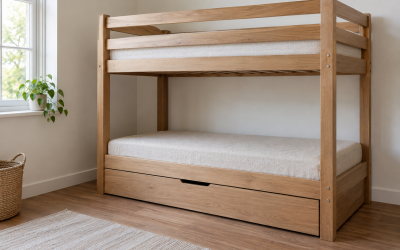
Shopping for a children’s bedroom setup requires balancing floor space, safety, and the eternal challenge of toy and clothing clutter. When you are outfitting a shared room or simply trying to maximize a smaller footprint, kids bunk beds with built in storage offer a brilliant dual-purpose solution. By integrating drawers, shelving units, or staircase cubbies directly into the frame, these beds eliminate the need for bulky dressers that eat up valuable play area.
However, not all storage-integrated bunks are created equal, and choosing the right model goes far beyond picking a finish that matches the room’s decor. Structural integrity, drawer glide mechanisms, weight capacities, and room dimensions all play critical roles in your long-term satisfaction. This guide cuts through the marketing noise to highlight the exact specifications, common pitfalls, and practical considerations that truly matter when shopping in 2026.
As an Amazon Associate we earn from qualifying purchases at no extra cost to you. Product prices and availability are accurate as of the date shown and are subject to change.

Understanding Weight Limits and Structural Materials
The foundation of any safe bunk bed lies in its materials and joint construction. When evaluating storage bunks, you will generally encounter solid wood, engineered wood, and metal frames with modular storage units. Solid hardwoods like pine, rubberwood, or birch offer superior longevity and hold screws and fasteners much better over years of active use by children. Engineered wood products, such as MDF or particle board, can be more budget-friendly, but they are prone to sagging or stripping at the joints if the bed is disassembled and reassembled during moves.
Always review the manufacturer’s certified weight capacity specifications for both the top and bottom bunks independently. A sturdy storage bed should comfortably support standard youth weights on top, and often higher capacities on the bottom bunk if it accommodates an older child or adult guest. Check that the ladder or stairs, guardrails, and storage modules are tied directly into the main load-bearing posts rather than just tacked on as superficial additions.
Drawer Mechanics, Cubbies, and Accessibility
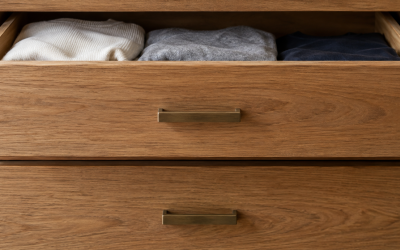
The entire point of buying a storage bunk is to gain functional organization, but poorly designed compartments will quickly become frustrating. Under-bed drawers should ideally feature heavy-duty caster wheels or metal drawer glides rather than sliding directly along bare flooring, which can scratch hardwood or carpet. If you are looking at side-shelving units or headboard cubbies, measure the depth to ensure standard storage bins or books actually fit without protruding dangerously into walking paths.
Consider how the room’s layout will affect drawer access. If a nightstand, study desk, or opposing wall sits too close to the foot or side of the bed, pull-out drawers might not be able to open fully. For tighter bedrooms, soft-closing drawer mechanisms and shallow front-facing cubbies are often vastly superior to massive rolling trundles that require wide clearance zones.
Staircase vs. Ladder Configurations for Storage Bunks
Storage bunk beds generally fall into two categories regarding elevation: traditional vertical ladders or integrated staircase modules. Staircase bunks naturally take up a bit more horizontal floor space, but they provide massive storage advantages because every single step doubles as a deep drawer or a side-loading cubby. Furthermore, staircases offer a much safer, more secure climbing surface for younger children who might struggle with vertical rungs.
Vertical ladders, on the other hand, preserve valuable floor space and are ideal for narrower rooms. If you opt for a ladder setup, look for wide, flat rungs rather than narrow round bars, as flat steps reduce foot strain and provide better traction. Ensure the ladder can be installed on either side of the bed frame to accommodate your specific room configuration.
Mattress Compatibility and Clearance Heights
A common oversight when purchasing storage beds is failing to account for how the height of the storage base affects mattress clearance. Because built-in storage often raises the baseline of the lower or upper bunks, you must pay strict attention to overall vertical dimensions. The top bunk requires adequate guardrail height remaining above the mattress surface to prevent nighttime falls, which usually mandates using a thinner, low-profile innerspring or foam mattress rather than a pillow-top monster.
Similarly, check the slat spacing requirements specified by the manufacturer. Most modern bunk systems require slats spaced no more than three inches apart to properly support modern memory foam or hybrid mattresses without voiding the structural warranty.
Avoiding Common Buying Mistakes
One of the most frequent mistakes parents make is ignoring ceiling height limitations. Bunk beds with integrated upper shelving or high staircase modules sit significantly taller than standard minimalist frames, meaning they can easily crowd low basement ceilings or interfere with overhead ceiling fans. Always measure your vertical clearance from floor to ceiling, factoring in the height of the upper mattress.
Another pitfall is underestimating the assembly time and complexity. Bunk beds with built-in storage systems are essentially multi-piece furniture complexes involving dozens of cam locks, drawer tracks, and structural bolts. Rushing the assembly process or ignoring wall-anchoring kits can result in a wobbly, unsafe structure. Always utilize the included anti-tip hardware to anchor the bed securely to wall studs, especially if the storage components make the frame top-heavy.
When It Makes Sense to Spend More
Budget models can look appealing online, but investing in a higher-tier storage bunk often pays off within the first year of ownership. Premium price points usually buy you solid timber construction instead of laminated veneers, dovetail drawer joinery rather than glued particle board, and robust steel reinforcement brackets at major stress joints. If you expect multiple children to use the bed over a decade, or plan to pass the furniture down, spending more upfront prevents premature replacement costs and ensures absolute peace of mind regarding safety.
Related Guides
For a curated look at the top-performing models currently on the market, browse through our Best Kids Bunk Beds with Built in Storage in 2026: Tested and Ranked overview to compare safety ratings, configuration styles, and real-world durability.
FAQ
Are built-in storage drawers sturdy enough for heavy toys and clothes?
Yes, provided the drawers feature solid wood or reinforced composite bottoms and ride on proper metal glides or heavy-duty casters. Avoid beds where the drawer bottoms are made of thin, unsupported cardboard panels, as these will quickly bow under the weight of books or dense toys.
How much ceiling clearance do I need for a storage bunk bed?
You should aim for at least two to three feet of clearance between the top mattress surface and your ceiling. This ensures a child can sit up comfortably on the top bunk without hitting their head and allows safe air circulation.
Is a staircase safer than a traditional ladder for younger children?
Staircases are generally considered much safer and more intuitive for younger children because they offer full-foot stepping surfaces and handrails. They also provide bonus storage space inside each step, making them a practical choice if floor space allows for the wider footprint.
Can I remove the storage units if we change the room layout later?
Most built-in storage components, such as under-bed drawers or staircase modules, are structurally integrated into the assembly of the frame and cannot be easily removed without compromising stability. If you need modular flexibility, look for loft beds that allow independent furniture placement underneath.