A rectangle coffee table works best when its footprint, height, load rating, and surface material match the way your seating area is actually used. The four models below cover compact, solid-wood, glass, and wider-room needs without treating one shape or finish as right for every home.
As an Amazon Associate we earn from qualifying purchases.
By KK Home Furnishings Editorial Team
How to Choose a Rectangle Coffee Table
The useful starting point is not style alone. A rectangle coffee table has to leave room for knees, walking paths, trays, remotes, and the visual width of the sofa. Compare the published width, depth, height, load rating, and construction before deciding whether a design truly fits your room.
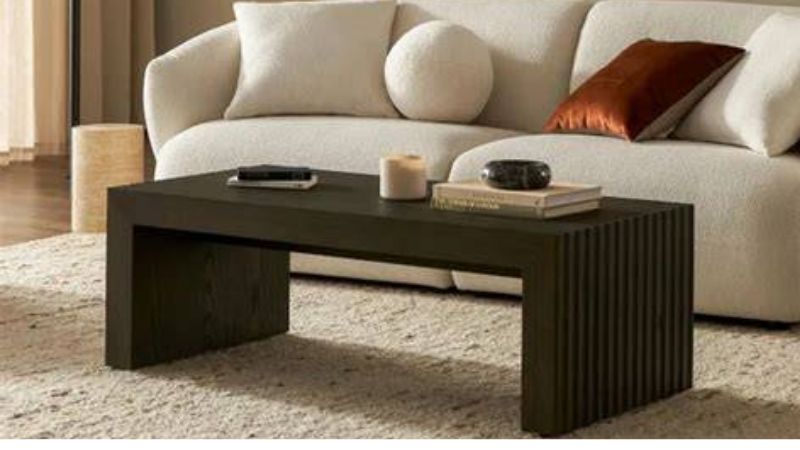
Match Table Width to the Seating Area
Width changes how much of the sofa the table visually serves. The four picks here range from 35 3/8 inches to 48 inches wide, so the choice can move from a compact apartment setup to a broader seating zone. Measure the usable sofa span rather than judging by product photos alone.
A longer top can make shared seating easier because more people can reach a place for a cup or remote, but extra width also occupies more floor space. West Elm’s Chadwick is 48 inches wide, while IKEA’s LACK is 35 3/8 inches, a meaningful difference when the room has tight circulation.
Delivery measurements matter as much as the final footprint. West Elm lists a 52.5-inch-wide shipping package for Chadwick and a 51-inch-wide package for Stowe, so check doors, stairs, and turns before ordering. Flat-pack options can be easier to move in, but they shift more assembly work to you.
Use Depth to Control Reach and Floor Space
Depth determines how far the table projects from the sofa and how much usable surface sits within reach. These examples run from 20.3 inches deep on the Nathan James Asher to 24 inches on West Elm Stowe. A few inches can matter in a narrow room with a busy walking route or nearby media cabinet.
Deeper tables give more room for trays, books, and decor, yet they can feel bulky if the seating area is shallow. Stowe’s 24-inch depth suits rooms that can spare the footprint, while Chadwick’s 22-inch depth offers a longer but slightly slimmer rectangle for wider seating arrangements.
Use painter’s tape to mark the published width and depth on your floor before buying. That simple mock-up shows whether cabinet doors, recliner motion, or a main path will conflict with the table. It also reveals whether a large top looks balanced or merely fills an empty patch of floor.
Choose Height Around How You Sit
Height affects reach more than it affects capacity. The picks here range from 15 inches on Stowe to 18.1 inches on Asher. A lower table can keep sight lines open, while a taller top may be easier to reach from upright seating. Compare the table height with your own seat cushion before ordering.
Do not assume a taller table is automatically more practical. If the sofa seat is low, an 18.1-inch Asher may sit high relative to relaxed seating, while the 15-inch Stowe may align more naturally. The right result depends on the furniture already in the room, not a single universal number.
Height also changes how storage reads visually. Asher uses a glass top and lower shelf within an 18.1-inch frame, while Chadwick keeps its woven shelf under a 16-inch top. If you want an airy look, check the clearance and shelf placement as closely as the overall height and frame thickness.
Read Load Ratings, Materials, and Care Together
Published load limits provide a clearer comparison than vague words such as sturdy. IKEA lists 44 lb for the LACK top, Nathan James lists 99 lb per shelf for Asher, and West Elm lists 300 lb for both Stowe and Chadwick. Those ratings should still be used within normal household conditions.
Construction changes maintenance. Stowe uses kiln-dried solid mango wood, Chadwick uses solid acacia with a woven cord shelf, Asher combines tempered glass, metal, laminate, and engineered wood, and LACK uses particleboard, fiberboard, paper filling, and surface finishes that need gentler moisture control.
Care instructions are part of ownership cost even when the purchase price is not the deciding factor. Glass shows fingerprints quickly, wood finishes dislike harsh cleaners, and laminate edges should not sit in pooled moisture. Choose a material routine you will realistically follow in a busy living room.
Top Picks
The strongest pick depends on the room rather than a single headline score. This rectangle coffee table shortlist keeps every recommendation tied to published dimensions and load ratings, then separates the models by footprint, material, storage, and delivery tradeoffs that matter after the box arrives.
| Product | Best For | Key Spec | Watch Out For |
|---|---|---|---|
| West Elm Stowe Solid Wood Coffee Table 44 | Best Overall | 44 in W x 24 in D x 15 in H; 300 lb capacity | Premium tier; assembly required and delivery method varies |
| Nathan James Asher Coffee Table | Best For Compact Glass Style | 39.4 in W x 20.3 in D x 18.1 in H; 99 lb per shelf | Glass needs regular cleaning and the top sits higher than the low-profile picks |
| IKEA LACK Coffee Table | Best For Smaller Rooms | 35 3/8 in L x 21 5/8 in W x 17 3/4 in H; 44 lb top load | Lower load rating and lightweight composite construction |
| West Elm Chadwick Mid-Century Coffee Table 48 | Best For Wider Seating Areas | 48 in W x 22 in D x 16 in H; 300 lb capacity | Wider footprint and woven shelf need space and routine care |
West Elm Stowe – Best Overall
Stowe is the most balanced option here, but its 24-inch depth needs a room that can accept a fuller footprint. West Elm publishes overall dimensions of 44 inches wide, 24 inches deep, and 15 inches high, with a 300 lb weight capacity and a product weight of 26.6 lb for the assembled table.
The kiln-dried solid mango wood construction gives this pick a simple material story with no glass surface or open woven shelf to maintain. Adjustable levelers are useful on slightly uneven floors. The low 15-inch profile also keeps the visual mass down around sofas with a lower seat line.
This model sits in the premium tier and assembly is required. West Elm shows delivery choices that can include White Glove or Doorstep service depending on location, and eligible returns are generally limited to 30 days. That makes pre-measuring the room and delivery path especially important.
Nathan James Asher – Best For Compact Glass Style
Asher suits buyers who want a lighter visual look, but the 18.1-inch height is the tallest in this group. Nathan James lists it at 39.4 inches wide and 20.3 inches deep, with a 99 lb limit per shelf. The narrower footprint can work well when a larger wood table would feel dense or visually heavy.
The table combines a tempered glass top with metal, laminate, and engineered wood, plus a lower shelf for books or everyday items. Floor protectors are included. The clear top keeps the frame visible, which can make the table feel less bulky even though it still provides two usable horizontal surfaces.
Asher sits in the mid tier and Nathan James currently includes free shipping and a 100-day return window. The tradeoff is maintenance: fingerprints and dust are more visible on glass, while the brand advises against abrasive cleaners and standing moisture on the laminate areas during routine care.
IKEA LACK – Best For Smaller Rooms
LACK is the most compact pick here, but its 44 lb tabletop limit is far below the two 300 lb West Elm models. IKEA lists the smaller version at 35 3/8 inches long, 21 5/8 inches wide, and 17 3/4 inches high, which makes it easier to place in tighter seating zones with limited floor area.
The build uses particleboard, fiberboard, honeycomb paper filling, and surface finishes rather than solid wood. A lower shelf adds simple storage without changing the narrow overall footprint. IKEA also advises checking and retightening assembly fastenings as needed during ownership.
LACK belongs in the budget tier, and its flat-pack format keeps the product easy to carry compared with heavier assembled tables. The tradeoff is lower published capacity and a lighter-duty construction. IKEA’s broad return policy can help, but buyers should still inspect panels before assembly.
West Elm Chadwick – Best For Wider Seating Areas
Chadwick is the widest pick, so it is better suited to a broader sofa wall than a tight walkway. West Elm lists it at 48 inches wide, 22 inches deep, and 16 inches high, with a 300 lb weight capacity. That combination gives it a long usable top without the deepest footprint here.
The solid acacia wood top and frame are paired with a woven cord shelf, creating storage that looks lighter than a full wood lower deck. Built-in levelers help on uneven flooring. The 7-inch clearance under the top area and the open weave keep the lower section visually distinct.
Chadwick sits in the premium tier and requires assembly unless your selected delivery option includes service. West Elm lists White Glove and Doorstep choices in many locations, with eligible returns generally within 30 days. Its 52.5-inch shipping package also deserves a delivery-path check.
Frequently Asked Questions
Before ordering, answer four practical questions about scale, height, material, and capacity. A rectangle coffee table is easy to compare on paper because the shape is simple, but small differences in width, depth, care needs, and delivery format can change how comfortable the room feels every day.
What Size Rectangle Coffee Table Works With a Sofa?
The right size is the one that serves the seated area without blocking circulation. In this group, widths span 35 3/8 to 48 inches and depths span 20.3 to 24 inches. Mark the exact footprint on the floor, then check whether people can pass the table without turning sideways or brushing its corners.
Start with the usable sofa section rather than the full wall. A compact loveseat may pair more naturally with the 35 3/8-inch LACK or 39.4-inch Asher, while a longer sofa can visually support the 44-inch Stowe or 48-inch Chadwick. Sectionals also need room around the return side.
Room shape can matter more than sofa width. A long, narrow space may accept a 48-inch table if its depth stays controlled, while a small square room may feel crowded by a shorter but deeper model. Use the published dimensions to test the real floor plan before choosing by style or finish alone.
How High Should a Coffee Table Be?
A practical target is a top that feels comfortable relative to your seat cushion, not a fixed number for every sofa. These four models range from 15 to 18.1 inches high. Compare that range with your seating and with how you usually reach for drinks, remotes, a laptop, or a board game.
Lower tables can make a room feel more open, especially with low modern seating. Stowe is 15 inches high and Chadwick is 16 inches. Asher reaches 18.1 inches, which can suit more upright seating but may look high beside a very low sofa. LACK sits between them at 17 3/4 inches for a middle-ground profile.
If two tables fit the footprint, height can be the deciding spec. Place a box or stack of books at the listed height beside your sofa and test the reach from your normal sitting position. That quick check is more reliable than assuming a product photo reflects your furniture proportions.
Is Solid Wood Better Than Engineered Wood for a Coffee Table?
No material is automatically better for every room. Solid wood can offer a substantial feel and can show natural grain, while engineered materials can reduce weight and support simpler flat-pack construction. The better choice depends on maintenance, expected load, moving needs, and finish preference.
Stowe uses solid mango wood and Chadwick uses solid acacia for the top and frame. Asher mixes glass, metal, laminate, and engineered wood, while LACK relies on particleboard, fiberboard, and honeycomb paper filling. Those material systems create very different weights, surfaces, and care routines.
Think about the kind of wear your household creates. Glass needs frequent wiping, natural wood should be kept away from harsh cleaners and excess heat, and composite surfaces should not sit wet. If you move often, a lighter flat-pack table may be more practical than a heavier premium piece.
How Much Weight Should a Coffee Table Hold?
Choose a published load rating that comfortably covers what you actually place on the table. The verified ratings in this shortlist range from 44 lb on the LACK tabletop to 300 lb on Stowe and Chadwick, while Nathan James lists 99 lb per shelf for Asher, so the numbers are not directly interchangeable.
Do not use capacity as a reason to stand, sit, or climb on a coffee table unless the manufacturer specifically designs it for that purpose. The rating is most useful for comparing normal loads such as books, trays, decor, game boxes, and other household items distributed across the surface.
Also check which surface the number describes. Asher’s rating is stated per shelf, LACK’s figure applies to the tabletop, and West Elm lists an overall weight capacity for Stowe and Chadwick. Keeping those conditions separate prevents a larger number from being applied to the wrong part.
Final Thoughts
The best rectangle coffee table is the one whose verified footprint, height, capacity, material, and delivery demands fit your actual room. Stowe is the strongest all-rounder here, while Asher, LACK, and Chadwick solve different space and style needs. Measure first, then choose the tradeoff you can live with.
More from Amazon
Programs that pair well with the guide above. Offers and eligibility are set by Amazon and may change.
Collect the home and kitchen items you want in one registry that guests can shop from.
Create a wedding registrySet up recurring deliveries of everyday items on eligible products. Terms and savings are set by Amazon.
Explore Subscribe & SaveFree shipping on eligible items, Prime Video and more. Eligible new members can start with a free trial.
Start a Prime free trialAudiobooks and podcasts to listen to on the go. Eligible new members can start with a free trial.
Try Audible freeAs an Amazon Associate we earn from qualifying purchases.