Key takeaways
- Check upholstery fabric codes, swatch provenance and batch-matching terms before adding another sofa piece or replacement cover.
What's inside
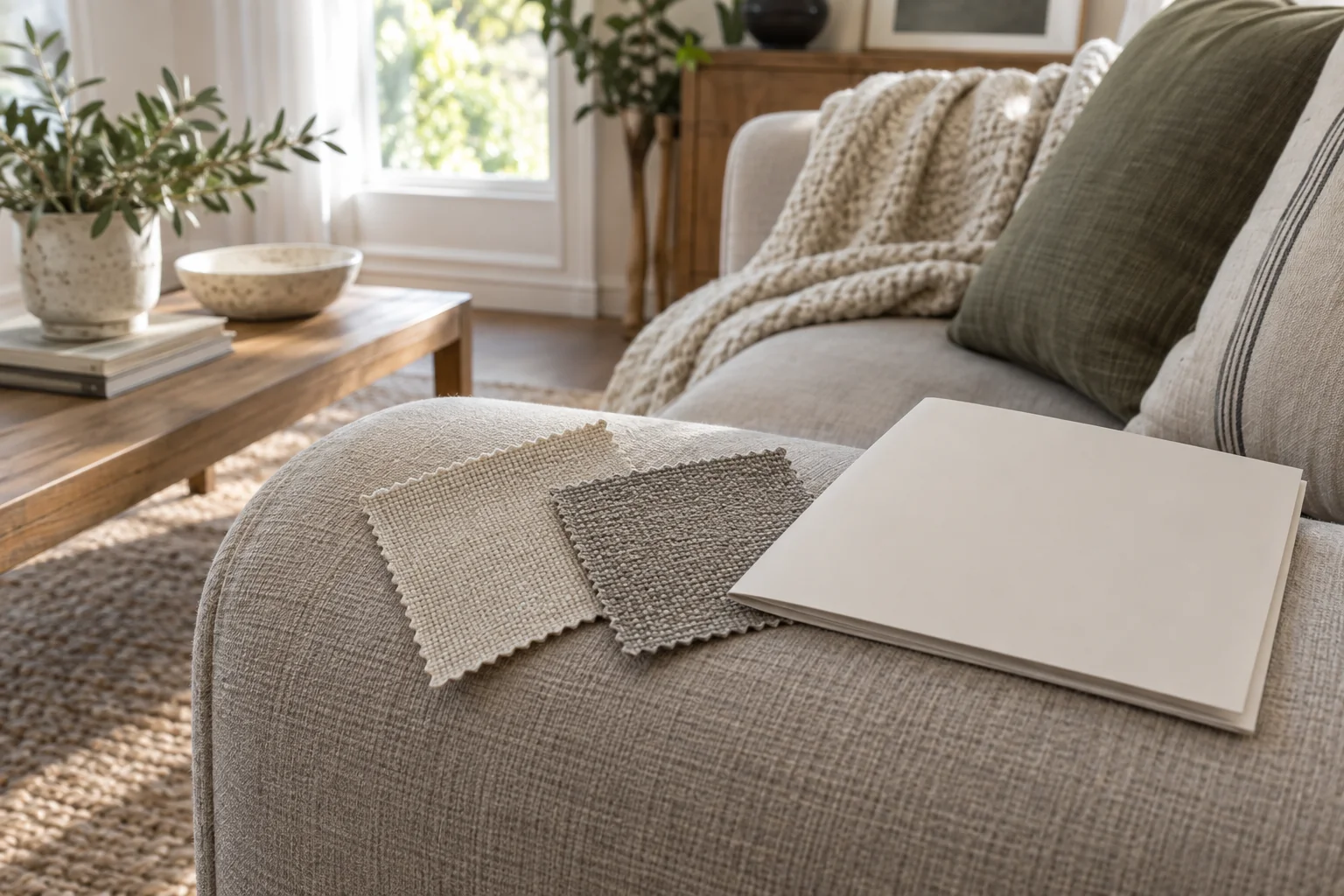
The same upholstery color name does not guarantee an exact visual match between pieces ordered at different times. Before adding a chair, ottoman or replacement cushion beside an existing sofa, confirm the fabric code and ask about production-batch matching. Compare physical material under consistent room lighting, while keeping batch variation separate from wear, fading and fabric direction.
Identify the fabric beyond its color name
Find the sofa’s original order record, fabric collection, color code and any material identifier supplied with the item. A name such as oatmeal or stone may be used for several unrelated fabrics. The furniture model and the fabric code belong in separate fields because one model may be sold in many coverings.
If the original fabric is discontinued or the label is missing, preserve that uncertainty. Do not treat a current online swatch with a similar name as proof that the same material is still being supplied. Ask the maker whether the collection, construction or color code changed.
What a manufacturer warns about color matching
The Ethan Allen Martel fabric page advises viewing a physical swatch and notes that color can vary by dye lot. It also explains that a small swatch may not show a full pattern repeat. These are useful limits to remember: a sample helps you evaluate a material, but it is not automatically a guarantee that a later piece will match an older sofa exactly.
Ask what the seller can confirm about the material allocated to your actual order. A sample from a showroom book, a newly mailed swatch and the fabric used for a future production run may represent different information. Keep the seller’s description with each sample instead of treating all three as interchangeable evidence.
| Comparison field | Existing sofa | Proposed new piece |
|---|---|---|
| Fabric identity | Collection and exact code | Confirmed current collection and code |
| Color identity | Color name and code from original record | Name and code on the order |
| Production information | Available batch or order details | What the supplier can actually confirm |
| Physical sample | Original retained sample, if available | Source and date of new sample |
| Room comparison | Location, light and fabric orientation | Viewed under the same conditions |
| Matching expectation | Exact adjacency or coordinated contrast | Written seller explanation of limitations |
Compare under repeatable conditions
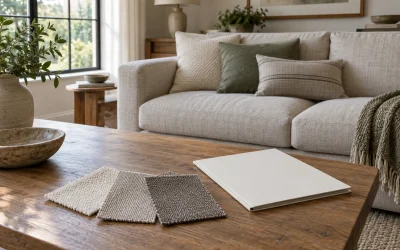
Place the samples near the furniture in the room where the new piece will be used. Observe them in ordinary daylight and under the lamps you normally use. Keep their orientation consistent, particularly for a textured or directional material. Note what changes when the viewing direction changes rather than immediately calling every difference a dye-lot problem.
A photograph is useful for recording placement and context, but it should not become a color measurement. Camera exposure, white balance and the screen used to view the image can change the appearance. Avoid assigning a numerical percentage difference from two phone pictures or asking a seller to match a screen color precisely.
Illustrative example: adding an ottoman later
Imagine a sofa purchased several years ago in a fabric called Sand, code S42. The same retailer now offers an ottoman with that name. The buyer first confirms whether its fabric code is still S42 and whether the maker describes it as the same collection.
The supplier confirms the code but cannot promise the same production lot. A new physical sample looks slightly different beside the existing sofa. The buyer records the observation and asks what matching assurance, if any, applies to the actual order. The comparison does not establish whether the difference comes entirely from the new batch, the old sofa’s history or the lighting.
The household then decides whether coordinated contrast is acceptable or whether an exact adjacent match is essential. These fictional details illustrate a decision process. They do not predict how a specific fabric ages or determine whether any difference is a defect.
Clarify expectations before ordering separate pieces
If two pieces are intended to sit together, tell the seller that explicitly. Ask whether ordering them together affects the available matching arrangement and what remains unconfirmed. Do not assume that one invoice guarantees one fabric lot unless the supplier actually confirms it.
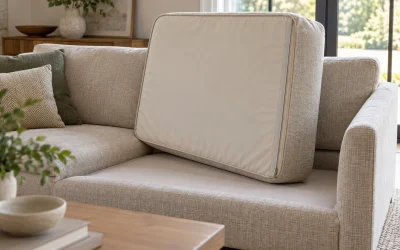
For a replacement cushion or panel, provide the original furniture and covering details to the manufacturer. Ask whether the proposed replacement is the original fabric, a current equivalent or a deliberately different option. Keep functional compatibility and visual matching as separate questions; a cover can fit correctly without reproducing an older piece’s appearance.
Record a discrepancy without altering the fabric
When furniture arrives, compare it with the order and available samples under consistent conditions. Photograph the whole arrangement and the relevant labels, then use the seller’s process to raise a concern. Preserve the packaging and documents as instructed while the question is resolved.
Do not wash, bleach, dye or deliberately expose the new piece to sunlight to force a match. Such attempts change the item and make the original comparison harder to assess. Likewise, do not assume a color difference will disappear with use unless the manufacturer provides a relevant explanation for that product.
A useful record ends with exact fabric identification, clear sample provenance and an agreed level of matching certainty. That helps you choose between an adjacent match and an intentional contrast without treating a familiar color name as a guarantee the supplier has never made.