Key takeaways
- Stored footprint, not just weight: Measure your closet or pantry gap before buying. Look for a handle that folds or detaches, and check whether the cord wraps onto built-in hooks instead of dangling loose.
- Heat-up and reheat time: Anything under 30 seconds keeps you moving. Slow reheating is what turns a quick kitchen pass into a 20-minute chore, especially if you’re pausing to move furniture in a tight layout.
- Attachment count versus attachment usefulness: A 23-piece kit is only an advantage if you’ll store all 23 pieces. Multi-surface handhelds that detach from the mop body genuinely consolidate; oversized accessory bags often end up in a basement.
- Pad washability and swap speed: Double-sided washable microfiber pads cut your laundry pile and mean fewer spares to store. Grip-style pad attachment beats fiddly clips when your hands are full.
- Variable steam control: Sealed hardwood wants a light touch; grout and entryway tile need pressure. Two or three settings is the practical minimum for a home with mixed flooring.
What's inside
In a 500-square-foot apartment, every cleaning tool has to justify the closet space it occupies. A steam mop is one of the rare exceptions that earns its keep twice over: it sanitizes sealed floors without a cabinet full of bottled chemicals, and the better models fold their handheld attachments into the same footprint. The trouble is that most buyers pick based on tank size or wattage, then discover the unit is too tall for a hall closet, too heavy to carry up stairs, or too slow to reheat between rooms.
This guide approaches steam mops the way a small-space organizer would: storage profile first, then cleaning performance, then how many other tools the machine can replace. Below you’ll find the models worth considering in 2026, a short checklist for narrowing your options, and honest notes on where each one fits, whether you’re maintaining a studio’s worth of tile or a family home with pets and a mudroom.
As an Amazon Associate we earn from qualifying purchases.


How to Choose a/an Steam Mop Best (2026)
- Stored footprint, not just weight: Measure your closet or pantry gap before buying. Look for a handle that folds or detaches, and check whether the cord wraps onto built-in hooks instead of dangling loose.
- Heat-up and reheat time: Anything under 30 seconds keeps you moving. Slow reheating is what turns a quick kitchen pass into a 20-minute chore, especially if you’re pausing to move furniture in a tight layout.
- Attachment count versus attachment usefulness: A 23-piece kit is only an advantage if you’ll store all 23 pieces. Multi-surface handhelds that detach from the mop body genuinely consolidate; oversized accessory bags often end up in a basement.
- Pad washability and swap speed: Double-sided washable microfiber pads cut your laundry pile and mean fewer spares to store. Grip-style pad attachment beats fiddly clips when your hands are full.
- Variable steam control: Sealed hardwood wants a light touch; grout and entryway tile need pressure. Two or three settings is the practical minimum for a home with mixed flooring.
The Best Steam Mop Best (2026)s Reviewed
Shark Steam & Scrub S8201
The Steam Blaster feature and dual rotating pads make this the strongest performer here on grimy tile and sealed stone, and the LED headlights are genuinely useful under cabinets and along baseboards. It’s the bulkiest of the Shark options, so confirm you have vertical storage before committing.
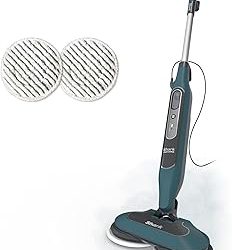
Shark Steam Pocket Mop S3501
For apartments and condos, this is the pick. It’s light enough to carry one-handed, the swivel head reaches around chair legs and toilet bases, and the two double-sided pads mean you can clean a whole floor plan before doing laundry.
BISSELL PowerFresh 1940A
A 12-inch cleaning path and variable steam make quick work of open kitchen and living areas, and the flip-down Easy Scrubber handles dried spills without a separate brush. The reliable middle option if you want one tool that handles hardwood and tile equally well.
McCulloch MC1385 Canister Steam Cleaner
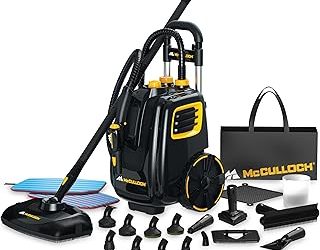
This is a full steam system rather than a mop, and it’s the right call if grout, upholstery, and car interiors are all on your list. Be realistic about the accessory kit, though: 23 pieces need a dedicated bin, which rules it out for genuinely tight storage.
10-in-1 Detachable Steam Mop
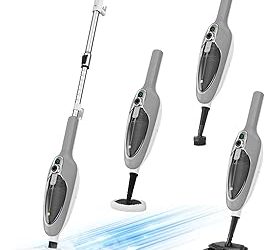
A 10-second heat-up, 248°F steam, and a handheld that pops off for grills, sinks, and car mats make this the most space-efficient multi-tasker on the list. The 350ml tank means more refills, which is a fair trade for the compact profile.
Frequently Asked Questions
Can I use a steam mop on hardwood floors?
Only on sealed hardwood, and only on a low setting with brief passes. Unsealed, waxed, or damaged wood absorbs moisture through the seams, so test an inconspicuous corner first.
Do steam mops actually sanitize without cleaning products?
Steam at proper temperature reduces bacteria and dust mites on sealed hard surfaces, which is why these machines suit homes with kids and pets. For visible grease or sticky residue, spot-treat first and let steam handle the sanitizing.
How much storage space should I plan for?
Upright mops need roughly a 46 to 50 inch vertical clearance plus a few inches of depth. Canister models need floor space for the body and a separate container for accessories, so budget closer to a full shelf.
How often should I replace the pads?
Washable microfiber pads typically last 50 to 100 cycles before they stop gripping dirt. Wash them without fabric softener, which coats the fibers and kills absorbency.
Final Thoughts
For most homes, the BISSELL PowerFresh 1940A hits the best balance of coverage, steam control, and manageable storage. If your square footage is genuinely tight, the Shark Steam Pocket Mop S3501 is the easier daily driver, while the Shark Steam & Scrub S8201 is worth the extra bulk if you’re fighting stubborn tile and grout.