Key takeaways
- Measure your mattress, protector, and existing pad together so the fitted sheet still has enough depth.
- Place a foam topper on a firm, supportive mattress; a sagging mattress usually needs replacement rather than extra cushioning.
- Give new foam time to expand and air out in a well-ventilated room before making the bed.
- Keep the topper’s original packaging if possible so it is easier to move or store during room reorganization.
What's inside
For side sleepers, a mattress topper is less about adding softness and more about creating the right pressure-relief zone. Your shoulder and hip carry more load than they would when sleeping on your back, while a topper that is too plush can let your spine sag. In a small bedroom, it also needs to earn its space: the best choice should improve comfort without creating a bulky, difficult-to-store layer.
This guide explains how to choose the best mattress topper for side sleeping in 2026, including firmness, thickness, cooling, fit, maintenance, and material differences. You’ll also find a practical shortlist of toppers to compare, whether you want a washable pillow-top feel or the deeper contouring of gel memory foam.
As an Amazon Associate we earn from qualifying purchases.



Recommended picks
Choose the right thickness and firmness
A topper between 2 and 4 inches thick is usually the most useful range for side sleepers. A 2-inch layer can soften a mattress that is generally supportive but feels slightly firm at the shoulder. A 3-inch topper provides more noticeable contouring and is often a better match for a very firm mattress or a lighter-weight sleeper who struggles to compress the bed surface. A 4-inch layer can feel luxurious, but it may make getting in and out of bed harder and can reduce the sense of support beneath your hips.
Look for a surface that yields under the shoulder and hip while remaining supportive through the waist. Memory foam is generally the better option when you want close body-conforming pressure relief. A quilted fiber or bamboo-derived rayon pad feels airier and more like a traditional pillow top, but it will not change the underlying mattress as dramatically.
Compare memory foam with pillow-top padding
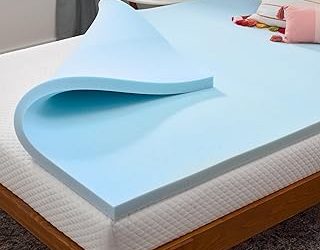
Gel memory foam toppers, such as the PERLECARE 3 Inch Gel Memory Foam Mattress Topper, are designed to distribute weight across a wider area. That can reduce pressure at the shoulder and hip, particularly when the mattress underneath is firm. The PERLECARE model also has a removable, washable cover and a non-slip design, useful features if you want a topper that stays orderly on a frequently used bed.
The ViscoSoft 3 Inch Memory Foam Mattress Topper takes a high-density, ventilated foam approach with a removable rayon cover. Its denser structure may appeal to sleepers who want more substantial support rather than a loosely cushioned feel. The VALUXE 3 Inch Gel Memory Foam Mattress Topper is another option to consider if you want pressure relief paired with a removable, washable bamboo cover.
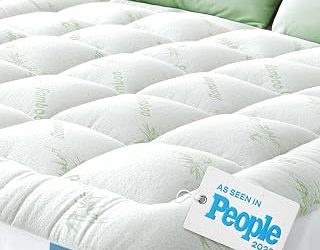
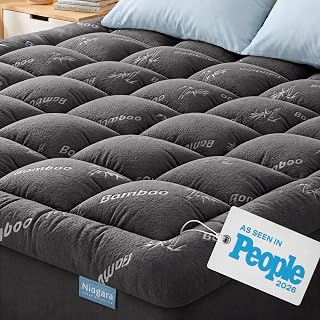
For a softer, more breathable layer with less change to the mattress’s feel, consider a pillow-top style. The BEDLORE Queen Mattress Topper has stretchable pockets designed for mattresses from 6 to 18 inches deep. The Niagara Sleep Solution Ultra Soft & Cooling Mattress Topper uses rayon derived from bamboo and a 20-inch deep pocket, making it worth considering for tall mattresses or beds with a substantial base layer. A similar cloud-like option is the Ultra Soft & Cooling Full Size Mattress Topper for full beds.
Pay attention to heat and airflow
Side sleepers often spend more of their body in contact with the bed, so heat can become noticeable quickly. Traditional memory foam tends to retain more warmth than fiber padding. Gel infusions, ventilation channels, perforations, and breathable covers may help, but they do not turn foam into an actively chilled surface. Room temperature, sheets, blankets, and your mattress protector also affect the result.
If you sleep hot and want maximum airflow, a thinner quilted topper may be the safer starting point. If pressure relief is your priority, choose ventilated or gel-infused foam and pair it with breathable cotton or bamboo-derived bedding. Avoid judging cooling claims in isolation; construction and cover fabric matter as much as the word “gel” on the label.
Check fit, movement, and maintenance
A topper should sit flat without creeping toward the foot of the bed. Deep-pocket skirts or fitted edges are particularly helpful on thick mattresses, adjustable bases, and beds with mattress pads already in place. Measure the mattress height before buying, including any protector or existing topper. A loose cover can bunch beneath your sheets, creating the very pressure points the topper is meant to solve.
For small-space living, removable and washable covers are especially valuable. They make routine cleaning easier and reduce the need to store bulky bedding elsewhere. Foam itself generally should not be machine washed, so confirm the care instructions before purchase. After unboxing a compressed foam topper, allow it to expand and air out according to the manufacturer’s directions before sleeping on it.
Tips
- Measure your mattress, protector, and existing pad together so the fitted sheet still has enough depth.
- Place a foam topper on a firm, supportive mattress; a sagging mattress usually needs replacement rather than extra cushioning.
- Give new foam time to expand and air out in a well-ventilated room before making the bed.
- Keep the topper’s original packaging if possible so it is easier to move or store during room reorganization.
Frequently Asked Questions
What thickness is best for side sleepers?
Three inches is a versatile starting point because it offers meaningful cushioning without being excessively tall. Choose closer to 2 inches when your mattress already has a comfortable feel, and consider a thicker layer only when the surface is unusually firm and the bed remains structurally supportive.
Is memory foam or a pillow top better for side sleeping?
Memory foam generally provides deeper pressure relief at the shoulder and hip. A pillow-top pad feels lighter, softer, and more breathable, but it may compress faster and will not correct an overly firm mattress as effectively. Your choice depends on whether pressure relief or airflow is the larger problem.
Will a mattress topper fix back pain?
It may improve comfort when your mattress creates pressure or lacks surface cushioning, but it is not a treatment for back pain. The ideal topper keeps your spine reasonably aligned rather than allowing your midsection to dip. Persistent or severe pain should be discussed with a qualified healthcare professional.
How can I stop a topper from sliding?
Use a topper with a fitted skirt, textured underside, or non-slip construction, and make sure the sheet fits over the complete mattress-and-topper height. A properly sized protector can also help hold the layers together. If the bed frame itself shifts, address that movement before replacing the topper.
Conclusion
The best mattress topper for a side sleeper balances pressure relief with enough support to keep the spine level. Start by measuring your bed, then choose between contouring memory foam and breathable pillow-top padding based on your main discomfort. For a substantial comfort change, compare 3-inch gel or ventilated foam models such as PERLECARE, ViscoSoft, or VALUXE. For a softer, easier-to-manage layer, BEDLORE and Niagara Sleep Solution offer practical deep-pocket designs, while the full-size Ultra Soft & Cooling model suits smaller beds. A washable cover and secure fit can make just as much difference as the filling, especially when bedroom space is limited.