Key takeaways
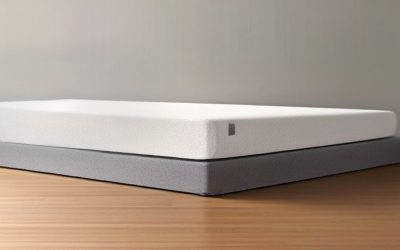
- Measure vertically, not just horizontally: Add mattress height to your frame height. Anything over 25 inches total makes a low-ceilinged loft feel claustrophobic and blocks window access — an 8 to 10 inch mattress on a low platform preserves sightlines.
- Let the mattress replace the box spring: Memory foam performs best on a solid or slatted platform. Skipping the foundation frees six to nine inches you can convert into rolling under-bed bins.
- Check your unboxing runway: A compressed queen box is heavy but compact. Plan to unbox in the room, on the frame, because you cannot re-roll it and you cannot carry an expanded mattress around a tight corner.
- Prioritize cooling in enclosed rooms: Interior bedrooms, basements, and lofts trap heat. Gel-infused or green tea gel foams counteract the heat retention that plain memory foam is known for.
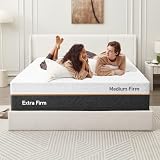
- Match firmness to sleep position: Medium-firm suits back and combination sleepers and back-pain sufferers; side sleepers want more surface give at the shoulder and hip.
What's inside
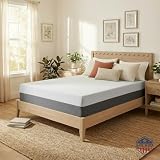
The EGOHOME 10 Inch Queen memory foam mattress is the best overall pick for small-space sleepers, with the Novilla Bliss 12 Inch Gel Memory Foam King as the runner-up for larger rooms. Both compress into a single box you can carry through a narrow stairwell alone, then expand into full-support beds that need no box spring.
Here’s the problem nobody warns you about: in a studio, a converted attic, or a guest room that doubles as an office, the mattress isn’t just a sleep surface — it’s a furniture footprint, a delivery logistics puzzle, and a storage decision all at once. A traditional innerspring plus foundation eats eight inches of vertical space before you’ve slept a single night, and it won’t turn the corner at the top of a tight staircase. Memory foam solves all three problems at once. This guide covers profile height and how it affects under-bed storage, unboxing in a room with no staging area, cooling foams for rooms without cross-ventilation, and which size genuinely fits a compact layout.
As an Amazon Associate we earn from qualifying purchases at no extra cost to you. Product prices and availability are accurate as of the date shown and are subject to change.


Quick Comparison
| Product | Best For | Standout Feature | Rating |
|---|---|---|---|
| EGOHOME 10 Inch Queen | Studios and primary bedrooms | Green tea gel cooling, medium-firm support | See card above |
| Zinus 8 Inch Twin Cooling Essential | Budget guest rooms and kids’ rooms | Slimmest profile for storage beds | See card above |
| Novilla Bliss 12 Inch King | Open-plan rooms and couples | Thickest comfort layer, gel-infused | See card above |
| Novilla 12 Inch Queen in a Box | Hot sleepers in poorly ventilated rooms | Deep cooling gel foam construction | See card above |
| EGOHOME 8 Inch Twin | Bunks, daybeds and trundles | Low profile with CertiPUR-US foam | See card above |
How to Choose a Memory Foam Mattress
- Measure vertically, not just horizontally: Add mattress height to your frame height. Anything over 25 inches total makes a low-ceilinged loft feel claustrophobic and blocks window access — an 8 to 10 inch mattress on a low platform preserves sightlines.
- Let the mattress replace the box spring: Memory foam performs best on a solid or slatted platform. Skipping the foundation frees six to nine inches you can convert into rolling under-bed bins.
- Check your unboxing runway: A compressed queen box is heavy but compact. Plan to unbox in the room, on the frame, because you cannot re-roll it and you cannot carry an expanded mattress around a tight corner.
- Prioritize cooling in enclosed rooms: Interior bedrooms, basements, and lofts trap heat. Gel-infused or green tea gel foams counteract the heat retention that plain memory foam is known for.
- Match firmness to sleep position: Medium-firm suits back and combination sleepers and back-pain sufferers; side sleepers want more surface give at the shoulder and hip.
The Best Memory Foam Mattresses Reviewed
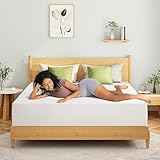
Best Overall: EGOHOME 10 Inch Queen Memory Foam Mattress
Ten inches is the sweet spot for compact rooms — enough foam for genuine pressure relief, slim enough to keep a platform bed under two feet tall. The green tea gel infusion and medium-firm feel make it a smart default for back sleepers and anyone whose bedroom doubles as a workspace.
Best Budget: Zinus 8 Inch Twin Cooling Essential Memory Foam Mattress
The most space-efficient mattress here and the easiest to justify for a room you use occasionally. Ideal for a guest room, a home office sofa-alternative, or a storage bed where every inch of drawer clearance counts.
Best Premium: Novilla Bliss 12 Inch Gel Memory Foam King Mattress
If your floor plan is open rather than cramped, spend the extra height here — twelve inches of gel foam delivers the deepest cushioning and best motion isolation for couples. Best suited to rooms with at least 30 inches of walking clearance on three sides.
Best for Hot Sleepers: Novilla 12 Inch Queen Mattress in a Box
Built for the interior bedroom with one window and no cross-breeze, where heat pools overnight. Choose this if you sleep hot, run warm-side bedding, or your bed sits against an exterior wall that bakes in summer.
Best for Bunk Beds and Daybeds: EGOHOME 8 Inch Twin Memory Foam Mattress
Low-profile foam keeps bunk guardrails safely above the sleep surface and lets a daybed still function as seating. A strong choice for kids’ rooms, trundles, and multipurpose rooms.
Frequently Asked Questions
Do I need a box spring with memory foam?
No. A solid platform or slats spaced under three inches apart is sufficient, and skipping the foundation is the single easiest way to reclaim under-bed storage space.
How long until it’s ready to sleep on?
Most compressed foam mattresses expand usefully within a few hours and fully within 24 to 72 hours. Unbox directly onto the frame — there is no way to reposition it once expanded in a tight room.
Is memory foam good for back pain?
Medium-firm memory foam is widely recommended for back pain because it keeps the spine neutral while cushioning pressure points. Side sleepers generally need a slightly softer surface.
Can memory foam go on the floor in a studio?
Temporarily, yes, but airflow beneath matters. Long-term floor use risks moisture buildup — a low slatted platform is the better small-space solution.
Final Thoughts
For most small-space sleepers, the EGOHOME 10 Inch Queen strikes the best balance of support and low profile. Step up to the Novilla Bliss 12 Inch King if your room can absorb the height and footprint, or down to the Zinus 8 Inch Twin when you’re outfitting a guest room, bunk, or storage bed on a budget.