Key takeaways
- Measure the guardrail, not the frame: Industry guidance calls for at least 5 inches of rail above the finished mattress surface. Measure from the slats to the top of the rail, then subtract 5 — that number is your maximum mattress thickness. It’s why 5- and 6-inch models dominate this category.
- Check the twin, not “twin”: Standard twin is 75″ x 38-39″, but trundles and antique frames run short. Confirm your interior dimensions before ordering, especially if the bed came with drawers or a slide-out.
- Prioritize weight for top bunks: A slim foam twin usually lands between 20 and 30 pounds. That’s the difference between changing sheets on a ladder solo and needing a second adult.
- Verify slat spacing: Foam mattresses need slats no more than 2-3 inches apart, or the foam sags between boards within months. Add a bunkie board or thin plywood if your gaps are wider.
- Read the safety certifications: Look for CertiPUR-US foam and explicit fiberglass-free construction. In a small shared room, air quality and off-gassing matter more because there’s simply less air volume to dilute it.
What's inside
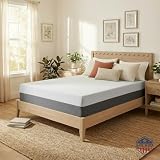
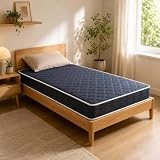
The FDW 5-Inch Gel Memory Foam Twin is the best overall twin mattress for kids and bunk beds, with the Novilla 5-Inch Gel Memory Foam Twin as the runner-up. Both hit the slim profile that bunk safety rails demand while still cushioning a growing body.
Here’s the trap most parents fall into: they shop a twin mattress like a smaller version of their own. But in a bunk, a loft, a trundle, or a captain’s bed with drawers underneath, the mattress is a structural component of the room, not just a sleep surface. Too thick and the guardrail stops being a guardrail. Too heavy and the top bunk becomes a wrestling match at every sheet change. Too tall and the trundle won’t roll back under. This guide covers the six slim-profile twins worth your money, the exact measurements that matter in tight rooms, and how to match depth to the frame you already own.
As an Amazon Associate we earn from qualifying purchases at no extra cost to you. Product prices and availability are accurate as of the date shown and are subject to change.


Quick Comparison
| Product | Best For | Standout Feature | Rating |
|---|---|---|---|
| FDW 5″ Gel Memory Foam Twin | Most bunks and kids’ rooms | Medium-firm gel foam at a bunk-safe 5″ | See card above |
| Novilla 5″ Gel Memory Foam Twin | Budget builds and guest bunks | Lowest cost per slim twin | See card above |
| EGOHOME 5″ Green Tea Memory Foam | Odor-sensitive small rooms | Green tea-infused foam, boxed delivery | See card above |
| EGOHOME 6″ Cooling Green Tea Gel | Hot sleepers and bigger kids | 6″ of cooling gel, CertiPUR-US | See card above |
| 5″ Cooling Gel Fiberglass-Free Twin | Bunks, daybeds, trundles | Fiberglass-free, kid-certified safe | See card above |
How to Choose a Twin Mattress for Kids and Bunk Beds
- Measure the guardrail, not the frame: Industry guidance calls for at least 5 inches of rail above the finished mattress surface. Measure from the slats to the top of the rail, then subtract 5 — that number is your maximum mattress thickness. It’s why 5- and 6-inch models dominate this category.
- Check the twin, not “twin”: Standard twin is 75″ x 38-39″, but trundles and antique frames run short. Confirm your interior dimensions before ordering, especially if the bed came with drawers or a slide-out.
- Prioritize weight for top bunks: A slim foam twin usually lands between 20 and 30 pounds. That’s the difference between changing sheets on a ladder solo and needing a second adult.
- Verify slat spacing: Foam mattresses need slats no more than 2-3 inches apart, or the foam sags between boards within months. Add a bunkie board or thin plywood if your gaps are wider.
- Read the safety certifications: Look for CertiPUR-US foam and explicit fiberglass-free construction. In a small shared room, air quality and off-gassing matter more because there’s simply less air volume to dilute it.
The Best Twin Mattresses for Kids and Bunk Beds Reviewed
Best Overall: FDW 5-Inch Twin Gel Memory Foam
This is the default recommendation for a reason: 5 inches clears virtually every guardrail, the medium-firm feel supports kids from toddler beds through the teen years, and the gel layer takes the edge off a warm upper bunk. Best for parents outfitting one or two bunks who don’t want to overthink it.
Best Budget: Novilla 5-Inch Twin Gel Memory Foam
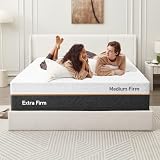
When you’re buying two or three at once — bunk plus trundle, or a sleepover setup — the Novilla delivers the same bunk-friendly profile without multiplying the cost. Best for guest rooms, grandparent houses, and rooms that will be reconfigured in a year anyway.
Best Premium: EGOHOME 5-Inch Green Tea Memory Foam
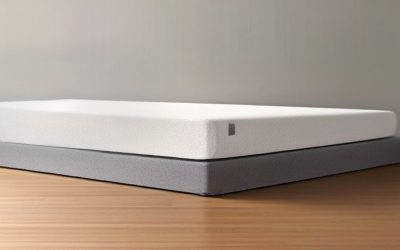
The green tea-infused foam addresses the complaint I hear most about boxed mattresses in small bedrooms: lingering new-foam smell in a space with one window. Best for tight rooms, converted nurseries, and anyone sensitive to odor.
Best for Hot Sleepers: EGOHOME 6-Inch Cooling Green Tea Gel
The extra inch adds real pressure relief for older, heavier kids, and the cooling gel counteracts the heat that rises to a top bunk. Best when your rail height allows 6 inches — measure first.
Best for Trundles and Daybeds: 5-Inch Cooling Gel Fiberglass-Free Twin
Explicitly built for bunks, daybeds, and trundles, with fiberglass-free construction that matters in beds that get stripped and rolled constantly. Best for multi-function furniture in shared rooms.
Frequently Asked Questions
How thick can a bunk bed mattress be?
Most manufacturers cap it at 6 inches, and you should keep at least 5 inches of guardrail exposed above the sleeping surface. Add a mattress topper and you’ve eaten into that margin, so account for bedding in your math.
Is a 5-inch mattress comfortable enough for a child?
For kids under roughly 100 pounds, yes — a quality medium-firm foam at 5 inches provides adequate support. Heavier teens are better served by 6 inches, such as the MLILY 6-Inch Twin or the EGOHOME 6-Inch.
Do I need a box spring?
No. Foam mattresses work directly on closely spaced slats or a solid platform, which is exactly why they suit bunks and storage beds where a box spring won’t fit.
How long until a boxed mattress fully expands?
Plan on 24 to 72 hours. Unbox it in the room where it will live, ideally with a window cracked, and don’t sleep on it the first night if you can avoid it.
Final Thoughts
Start with the FDW 5-Inch Gel Memory Foam Twin if you want the safest all-around fit for a bunk, step down to the Novilla 5-Inch when you’re buying in multiples, and choose the EGOHOME 6-Inch Cooling Green Tea Gel if your guardrails allow the extra inch and your child sleeps hot. Measure your rail clearance first — it decides the purchase more than any spec on the listing.