Key takeaways
- Using WD-40 or Aerosol Oil Lubricants: Never spray penetrating oils or silicone sprays on raw wood drawers. These products penetrate the wood fibers, cause the wood to swell permanently, damage historic finishes, and create a sticky residue that acts like a magnet for dust and dirt.
- Over-Sanding: Be patient when sanding. Removing too much wood will make the drawer wobbly, loose, and misaligned, allowing dust to seep inside the dresser and ruin your clothes.
- Ignoring Seasonal Humidity: Wood naturally expands in hot, humid summer months and contracts in dry winter air. If you sand down your drawers in the middle of winter because they stick slightly, they may become incredibly loose and crooked once the seasonal humidity drops even further. Always try thorough cleaning and waxing first before resorting to sanding.
- Using Scented Household Candles: While plain paraffin wax works well, avoid using scented, colored, or soft decorative candles. The dyes can stain antique wood, and the soft additives can degrade, leaving a sticky, gummy mess.
What's inside
We have all experienced the frustration of a stubborn piece of furniture: you reach to pull open a beautiful vintage oak dresser, only for the drawer to shudder, jam, or refuse to budge entirely. Learning how to fix sticky wood dresser drawers at home is an essential maintenance skill that saves your furniture from unnecessary wear and tear. If you ignore the sticking and continue to yank on the handles, you risk pulling the drawer face off its delicate dovetail joints, splintering the wooden runners, or causing permanent structural warping.
In 2026, as high-quality vintage and solid-wood heirloom furniture pieces remain highly coveted, preserving these classic wood-on-wood sliding systems is more practical than ever. Fortunately, you do not need to be a master carpenter to restore that satisfying, glide-smooth operation. With a few basic household supplies and some specialized wood lubricant, you can quiet squeaking tracks and make heavy drawers slide with the gentle push of a single finger.
As an Amazon Associate we earn from qualifying purchases at no extra cost to you. Product prices and availability are accurate as of the date shown and are subject to change.

What You Need
Before you begin, gather the necessary tools and materials. Having everything ready on your workbench or a clean towel next to the dresser will make the process run smoothly.
| Item | Why You Need It | Optional? |
|---|---|---|
| Microfiber Cloths | To wipe away decades of built-up dust, old wax, and wood shavings. | No |
| Vacuum with Brush Attachment | To quickly extract loose dust and debris from deep inside the dresser cavity. | Yes |
| Medium & Fine Sandpaper | 120-grit for shaving down swollen wood; 220-grit for smoothing the surface. | No |
| Calvana Wood Drawer Wax Lubricant Paste | An 8.8oz jar of clear, unscented paste wax (priced around $12.99) designed specifically for wood-on-wood surfaces. | No |
| Paraffin Wax or Beeswax | An alternative, solid lubricant if you prefer a hard wax block over a paste. | Yes |
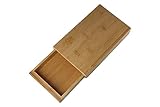
| Leadigol Under Desk Drawer Wood | A self-adhesive, pull-out storage solution (priced around $21.84) to hold items if your old dresser is temporarily out of commission. | Yes |
Step-by-Step Instructions
Follow these structured steps to diagnose, clean, smooth, and lubricate your sticky wooden drawers. This entire process should take less than an hour for a standard three-to-four-drawer dresser.
Step 1: Remove and Inspect the Drawer (Time: 10 minutes)
Carefully pull the sticking drawer straight out of the dresser frame. If it jams halfway, gently wiggle it up and down while pulling outward to release it from the internal tracks. Once removed, place the drawer upside down on a soft blanket or rug to protect its finish.
Inspect the bottom runners (the wooden strips on the bottom of the drawer) and the matching guide tracks inside the dresser cabinet. Look for obvious signs of friction: shiny, worn spots on the wood, loose nails, protruding staples, or deep gouges. If you notice shiny spots, these are your “high points”—the exact areas where the wood is rubbing together and causing the drawer to stick.
Step 2: Clean the Tracks and Runners (Time: 10 minutes)
Over time, dust, pet hair, and old, degraded wax collect inside dresser tracks, creating a sticky, high-friction paste. Use a vacuum with a brush attachment to clear out the interior of the dresser frame. Next, dampen a microfiber cloth with warm water and a tiny drop of mild dish soap. Wipe down all sliding wooden surfaces on both the drawer and the cabinet interior.
Do not saturate the wood, as excess water will cause it to swell further. Wipe the surfaces dry with a second microfiber cloth, and allow the dresser to air-dry completely for at least 15 minutes before proceeding to the next step.
Step 3: Sand Down the Friction Points (Time: 15 minutes)
If you identified shiny high spots or swollen areas during your inspection, you must smooth them down. Take your 120-grit sandpaper and wrap it around a small wooden block to ensure you sand evenly. Gently sand the rubbing areas along the drawer runners or the cabinet guide tracks.
Focus only on the areas showing wear. Sand in the direction of the wood grain, checking your progress frequently by sliding the drawer back into the frame. Once the drawer slides in without catching, switch to 220-grit sandpaper to polish the wood to a silky-smooth finish. Use a dry microfiber cloth to thoroughly wipe away all sawdust.
Step 4: Apply a Dedicated Wood Lubricant (Time: 10 minutes)
Now that the wood is clean and level, you need to apply a barrier to eliminate friction. Scoop a small, quarter-sized amount of Calvana 8.8oz Wood Drawer Wax Lubricant Paste ($12.99) onto a clean rag. Rub the clear, unscented wax directly onto the drawer’s bottom runners, side guides, and the corresponding tracks inside the dresser frame.
Apply the wax in circular motions, ensuring a thin, consistent layer. Unlike spray lubricants, this specialized paste wax will not soak into the wood fibers or attract airborne dust. Once applied, let the wax dry to a faint haze (about 3 to 5 minutes), then buff it vigorously with a clean, dry cloth until the wood looks polished and feels completely slick.
Step 5: Reassemble and Test (Time: 5 minutes)
Slide the drawer back into the dresser cabinet. It should glide in smoothly with minimal effort. Open and close the drawer 5 to 10 times to distribute the wax evenly across the contacting surfaces. If you still feel a slight catch, remove the drawer once more and look for areas where the freshly buffed wax has rubbed off. Sand that specific spot lightly, reapply a small dab of wax, and test again.
Mistakes to Avoid
- Using WD-40 or Aerosol Oil Lubricants: Never spray penetrating oils or silicone sprays on raw wood drawers. These products penetrate the wood fibers, cause the wood to swell permanently, damage historic finishes, and create a sticky residue that acts like a magnet for dust and dirt.
- Over-Sanding: Be patient when sanding. Removing too much wood will make the drawer wobbly, loose, and misaligned, allowing dust to seep inside the dresser and ruin your clothes.
- Ignoring Seasonal Humidity: Wood naturally expands in hot, humid summer months and contracts in dry winter air. If you sand down your drawers in the middle of winter because they stick slightly, they may become incredibly loose and crooked once the seasonal humidity drops even further. Always try thorough cleaning and waxing first before resorting to sanding.
- Using Scented Household Candles: While plain paraffin wax works well, avoid using scented, colored, or soft decorative candles. The dyes can stain antique wood, and the soft additives can degrade, leaving a sticky, gummy mess.
How Often to Maintain Your Drawers
To keep your dresser functioning flawlessly, aim to lubricate the drawer runners once or twice a year. A great rule of thumb is to perform this quick maintenance during seasonal transitions—specifically in late spring when the humidity begins to rise, and in late autumn when you turn on your home’s heating system. A simple 5-minute wipe-down and a fresh layer of paste wax will prevent friction issues from developing in the first place.
When to Call a Pro or Replace
While most sticky drawer issues can be resolved with a quick DIY wax job, some structural damage requires professional intervention or replacement storage solutions.
If you notice that the drawer frame is warped out of square by more than 1/4 inch, if the hand-cut dovetail joints are completely separated, or if the wooden runners have worn down so deeply that the drawer bottom drags on the frame below it, simple waxing will not solve the problem. An expensive heirloom or valuable antique should be taken to a professional furniture restorer to preserve its structural integrity and value.
If you are dealing with a cheap, modern particle-board dresser that has completely disintegrated tracks, it may be time to retire the piece. In the interim, or to add extra, hassle-free storage to your workspace, you can install a compact organizer like the Leadigol Under Desk Drawer Wood ($21.84). This self-adhesive, hidden slide-out tray offers a smooth, reliable glide without the maintenance headaches of aging, solid-wood tracks.
FAQ
Can I use soap to fix sticky wood drawers?
Yes, you can use a dry bar of soap in an emergency. However, ensure it does not contain glycerin or high water content, which can cause the wood to swell. A dedicated, unscented paste wax is always a superior choice because it lasts significantly longer, does not attract moisture, and will not flake off into your stored clothing.
Why do my dresser drawers stick more in the summer?
Wood is a hygroscopic material, meaning it acts like a sponge by absorbing moisture from the air. High summer humidity causes the wood cells to expand, making the drawer boxes slightly larger and tighter inside the dresser cabinet. Dehumidifying your bedroom can help minimize this seasonal swelling.
What is the difference between paste wax and beeswax for drawers?
Beeswax is a natural, slightly tacky wax that works well but requires significant buffing to eliminate friction. A dedicated paste wax, such as Calvana Wood Drawer Wax, contains specialized blends that dry to a harder, slicker finish, providing a more durable friction-free barrier on high-use wood-on-wood tracks.
How do I fix a wooden drawer runner that is deeply grooved?
If the wooden runner has a deep groove worn into it from decades of use, sanding it flat will remove too much structural wood. Instead, you can glue a thin strip of hardwood (such as oak veneer) over the worn runner, or apply heavy-duty UHMW (Ultra-High-Molecular-Weight) slip tape over the groove to create a smooth, level sliding surface.