
Key takeaways
- A wall attached headboard mounts to the wall instead of the bed frame, which is why it suits platform beds, adjustable bases and frames with no brackets. The real decisions are the mount system, the hardware and the installed height,…
A wall attached headboard mounts to the wall instead of the bed frame, which is why it suits platform beds, adjustable bases and frames with no brackets. The real decisions are the mount system, the hardware and the installed height, so this guide compares four current wall-mounted Queen pieces on exactly those points.
As an Amazon Associate we earn from qualifying purchases.
By KK Home Furnishings Editorial Team
How to Choose a Wall-Attached Headboard
A wall attached headboard is chosen by its mount system, hardware and installed height, not fabric alone. The French cleat and included hardware decide how it hangs, your wall decides the anchors, and the height sets the visible placement. These four span 32.5 to 52.5 inches of height options, so confirm the mount first.
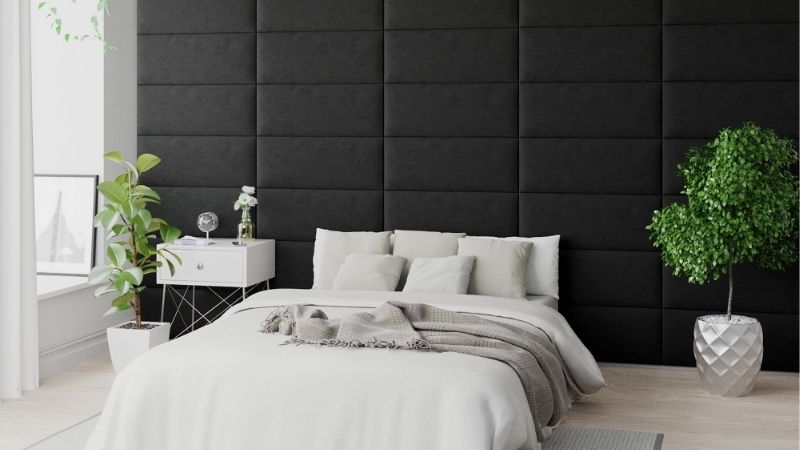
Confirm the Wall-Mount System and Hardware
Most of these use a French cleat, a two-part bracket that hangs the headboard on the wall. The West Elm Simple, Pottery Barn Arlo and Pottery Barn Simple Leather all mount with a French cleat, and the West Elm and Simple Leather include the hanging hardware, so check what each package provides.
A French cleat is reliable because it spreads the load along a horizontal bracket and locks the headboard down onto the wall rail. Confirm the cleat and fasteners are included, since a mount with hardware supplied, like the West Elm Simple, is simpler to install than one where you source the wall anchors yourself.
Note that included hardware does not mean the same fastener suits every wall. Wall construction matters, so match anchors and fasteners to the wall and the headboard load, and follow the manufacturer’s installation instructions. The cleat is only as secure as the anchors behind it, so the hardware and the wall must be matched.
Match Anchors to Your Wall Construction
Your wall type decides the anchors, regardless of what the box includes. Drywall over studs, plaster and masonry each need different fasteners, so hitting studs or using rated anchors for the headboard’s weight is what actually holds it, not the cleat alone.
These headboards vary in weight: the Arlo Queen Low is listed at 61 pounds and the West Elm Simple reaches about 70 pounds at its Tall height, so the anchors must suit that load. Do not guess a drywall anchor’s rating; use fasteners rated for the weight and follow the maker’s instructions for your wall.
Because the wall carries the whole headboard, this is the step to get right. Locate studs where possible, choose anchors matched to both the wall and the load, and if you are unsure, note that Pottery Barn says its White Glove service does not include wall attachment and recommends professional installation for the Arlo.
Use Height Options to Set Visible Placement
A key advantage of wall mounting is choosing the visible height, since the headboard is not locked to the frame. The West Elm Simple offers Low, Standard and Tall Queen heights of 32.5, 42.5 and 52.5 inches, so you set how far it rises above the mattress rather than accepting a fixed position.
The visible headboard above the mattress is roughly the installed top height minus the mattress top height, so you can tune it to your bed and pillows. A taller setting supports sitting up to read, while a lower one suits a minimal look, which is flexibility a frame-mounted headboard cannot offer.
Pick the height for how you use the bed and the wall behind it. Measure from the floor to the mattress top, decide how much headboard you want showing, and choose the height option or mounting position that achieves it, since wall mounting lets you place it precisely rather than wherever a frame dictates.
Check Clearance for Platform and Adjustable Beds
Wall mounting suits platform and adjustable beds, but clearance still matters. Because the headboard attaches to the wall, you do not need an adjustable-bed-compatible frame bracket, but you must leave room for an adjustable base to raise at the head without the mattress hitting the headboard.
For a platform bed, confirm the mattress top height so you can set the headboard to sit just above it. For an adjustable base, mount the headboard high enough that the mattress clears it as the base articulates, since the base lifts the mattress toward the wall at the head of the bed.
This is the practical reframe of wall mounting: it frees you from frame brackets but shifts the planning to clearance. Measure the mattress top at rest and, for an adjustable base, at its raised position, then set the headboard height so the mattress never fouls it, whichever bed you pair it with.
Top Picks
These four cover the realistic span of wall attached headboard buyers, from an upholstered multi-height panel to a non-upholstered wood option. Each lists its mount system and key dimensions; pricing sits in the premium tier, so confirm the current price, variant and hardware before you order.
| Product | Best For | Key Spec | Watch Out For |
|---|---|---|---|
| West Elm Simple Upholstered | Best Overall | French cleat; 32.5/42.5/52.5″ heights | up to about 70 lb at Tall |
| Pottery Barn Arlo | Tufted look | 65 x 40″ Queen Low; French cleat | wall attachment not in White Glove |
| Pottery Barn Simple Leather | Leather option | French cleat; hardware included | leather variant affects price |
| Pottery Barn Wood Wall Mounted | Wood option | Full, Queen and King sizes | non-upholstered look |
West Elm Simple Upholstered — Best Overall
The West Elm Simple leads for flexible height and clean mounting. This Queen panel measures 62.5 inches wide by 3.5 to 3.75 deep, mounts with a French cleat with hanging hardware included, and comes in Low, Standard and Tall heights of 32.5, 42.5 and 52.5 inches, up to about 70 pounds at Tall. It sits in the premium tier.
The three height options let you set exactly how far the headboard rises above the mattress, and West Elm says it works with any freestanding bed base or frame, so it suits platform and adjustable beds. Included hardware and a French cleat make installation straightforward once you match anchors to the wall.
The watch-out is weight at the Tall setting, around 70 pounds, which demands anchors rated for that load, so match the fasteners to your wall and follow the instructions. Choose the height before ordering, and confirm the mattress clears it on an adjustable base, since the panel is fixed once the cleat is set.
Pottery Barn Arlo — Best for a Tufted Look
The Arlo is the pick for a classic tufted style. This Queen Low panel measures 65 inches wide by 40 high by 4 deep, mounts with a French cleat, and weighs about 61 pounds, giving a padded, box-tufted upholstered look that reads more traditional. It sits in the premium tier.
The deep tufting and 4-inch depth give it a cushioned, upscale presence against the wall, and the French cleat provides a secure mount. For a bedroom that wants a soft, tailored headboard without relying on a bed frame, the Arlo delivers that look in a wall-mounted format.
The key caution is installation: Pottery Barn states its White Glove service does not include attaching the headboard to the wall and recommends professional installation. At 61 pounds it needs anchors matched to your wall and load, so plan for a qualified installer or careful DIY with the right fasteners.
Pottery Barn Simple Leather — Best Leather Option
The Simple Leather is the pick for a leather finish. This wall-mounted Queen headboard uses an engineered-wood frame with genuine or vegan leather, mounts with a French cleat, and includes the hanging hardware. It sits in the premium tier, with the exact price depending on the leather variant.
Leather brings a sleek, wipeable surface that suits a modern or masculine scheme, and the engineered-wood frame gives it structure. The French cleat with included hardware keeps installation consistent with the other wall-mounted panels, so it mounts the same reliable way once anchors suit the wall.
The caveat is that the leather variant, genuine or vegan, affects both the look and the price, so confirm which you are ordering. As with the others, match the wall anchors to the headboard’s weight and your wall type, and follow the installation instructions, since included hardware does not cover every wall construction.
Pottery Barn Wood Wall Mounted — Best Wood Option
The Wood Wall Mounted headboard is the pick for a non-upholstered look. This wall-mounted piece comes in Full, Queen and King sizes, offering a wood surface instead of fabric or leather for buyers who prefer a natural, hard finish. It sits in the premium tier.
A wood headboard suits a warmer or more rustic scheme and avoids the upkeep of upholstery, wiping clean easily. Being available across Full, Queen and King makes it flexible for different beds, and the wall-mounted format keeps it independent of the bed frame like the others here.
The trade-off is that a hard wood surface is less cushioned than upholstery for sitting up against, so it reads more decorative than plush. Confirm the mounting hardware and match anchors to your wall and the headboard’s weight, and choose the size to match your mattress before ordering.
Frequently Asked Questions
Wall-mounted headboards raise questions about installation and bed compatibility. The answers below use the published specs of these four pieces and avoid inventing anchor ratings, so you can match a wall attached headboard to your wall and bed before deciding which mount and height suit you.
Can you attach a headboard directly to a wall?
Yes, with a wall-mount design. These headboards attach directly to the wall, usually with a French cleat, rather than bolting to a bed frame, which is why they suit platform beds, adjustable bases and frames without headboard brackets. The key is securing the cleat with anchors matched to your wall and the headboard’s weight, following the instructions.
A French cleat hangs the headboard on a wall-mounted rail and locks it down, spreading the load along the bracket. The headboard then sits just behind the mattress, independent of the bed, so you can use it with almost any bed as long as the wall is prepared to carry its weight.
The key is securing the cleat to the wall with anchors matched to the construction and the headboard’s weight, following the maker’s instructions. Done properly, a wall-attached headboard is a secure, flexible way to add one to a bed that has no frame-mounting option of its own.
Do wall-mounted headboards work with adjustable beds?
Yes, often better than frame-mounted ones. Because a wall-attached headboard fixes to the wall, it does not need an adjustable-base bracket, so it avoids the compatibility problems frame-mounted headboards can have with adjustable beds. Just mount it high enough that the mattress clears it as the base raises at the head of the bed.
The one thing to plan is clearance: an adjustable base raises the mattress toward the wall at the head, so mount the headboard high enough that the mattress clears it as the base articulates. Measure the mattress top both at rest and at its raised position to set the right height.
West Elm, for example, says its Simple headboard works with any freestanding bed base or frame, which includes adjustable bases. Confirm the clearance for your specific base, and a wall-mounted headboard then gives an adjustable bed a headboard without the bracket limitations of a frame-mounted design.
How high should a wall-mounted headboard sit?
High enough to sit just above the mattress and give the look and support you want, which wall mounting lets you choose. The visible portion above the mattress is roughly the installed top height minus the mattress top height, so you set it to your bed rather than accepting a fixed position.
Options like the West Elm Simple’s Low, Standard and Tall heights of 32.5, 42.5 and 52.5 inches let you tune this: a taller setting supports sitting up to read, while a lower one suits a minimal look. Measure from the floor to the mattress top, then decide how much headboard you want showing.
For an adjustable base, set it high enough to clear the raised mattress, and for a platform bed, just above the mattress top. Mark the mount height before installing, since wall mounting places it precisely, and getting the height right is what makes a wall-attached headboard look intentional rather than floating.
Does a French-cleat headboard need wall studs?
Ideally yes, or anchors rated for the load. A French cleat is only as secure as the fasteners behind it, so mounting into studs where possible, or using anchors matched to your wall and the headboard’s weight, is what holds it safely. These panels weigh roughly 61 to 70 pounds, so the anchors must suit both that load and your wall type.
These headboards weigh roughly 61 to 70 pounds, so the anchors must suit that load and your wall construction, whether drywall over studs, plaster or masonry. Do not guess a drywall anchor’s rating; use fasteners rated for the weight and follow the manufacturer’s installation instructions for your specific wall.
If you cannot hit studs, use appropriate heavy-duty wall anchors, and if you are unsure, consider professional installation, which Pottery Barn recommends for the Arlo. Matching the fasteners to the wall and the headboard load is the step that keeps a French-cleat headboard secure over the long term.
Final Thoughts
The best wall attached headboard suits your wall and bed, not just its fabric. Confirm the French cleat and included hardware, match anchors to your wall construction, use the height options to set the placement, and plan bed clearance. On that basis the West Elm Simple leads, with the Arlo, Simple Leather and Wood options close behind.
