Key takeaways
- For a small apartment: choose The Crew or Forbidden Island. Both can be played on a compact coffee table, but leave at least 18 inches of elbow room per seated player.
- For a family dining table: Pandemic or Dorfromantik gives four to six people a comfortable shared area. A 60 by 36-inch table is a practical minimum for a medium-sized board game.
- For a 10-by-12-foot room: place the table so there are about 30 to 36 inches of walking clearance around the occupied sides. Avoid positioning chairs where they block a doorway or cabinet.
- For renters or frequent movers: prioritize compact boxes and short setup times. The Crew and Forbidden Island are easier to transport than campaign games with many trays and tokens.
- For children and pets: select games with larger, distinctive components and use a table that can be cleared quickly. Small cards and tokens in Spirit Island or Gloomhaven can be difficult to recover from carpet.
The best cooperative board games depend on your group: choose The Crew: The Quest for Planet Nine for a compact 3–5-player card game, Dorfromantik: The Board Game for relaxed family play, Pandemic for a classic 2–4-player challenge, or Spirit Island for experienced players who want deep strategy and extensive replayability.
Best cooperative board games by situation
| Situation | Best choice | Players | Typical play time | Why it fits |
|---|---|---|---|---|
| Small table or apartment | The Crew: The Quest for Planet Nine | 2–5 | 20–40 minutes | Small footprint, minimal setup, easy to store |
| Young families | Dorfromantik: The Board Game | 1–6 | 30–60 minutes | Gentle rules, no player elimination, low conflict |
| Classic strategic teamwork | Pandemic | 2–4 | 45–60 minutes | Clear roles, meaningful decisions, moderate difficulty |
| Older children and mixed ages | Forbidden Island | 2–4 | 30 minutes | Accessible rules and a compact playing area |
| Experienced strategy groups | Spirit Island | 1–4 | 90–150 minutes | Complex planning and highly variable scenarios |
| Story-driven campaign play | Gloomhaven: Jaws of the Lion | 1–4 | 60–120 minutes | Progressive scenarios and substantial character development |
Best picks compared by practical requirements
The Crew: The Quest for Planet Nine: best for short sessions and limited space
The Crew is a cooperative trick-taking card game in which players complete changing missions without freely discussing every card in their hands. It works particularly well when your group wants teamwork but has only 20 to 40 minutes.

Flow Cooperative Board Game – Strategy Game for 1–4 Players Ages 8+
Included for 'Best Cooperative Board Games for Groups' because the listing specifies Strategy Game for 1 and 4 Players Ages 8+, details this guide uses to compare options.
View on Amazon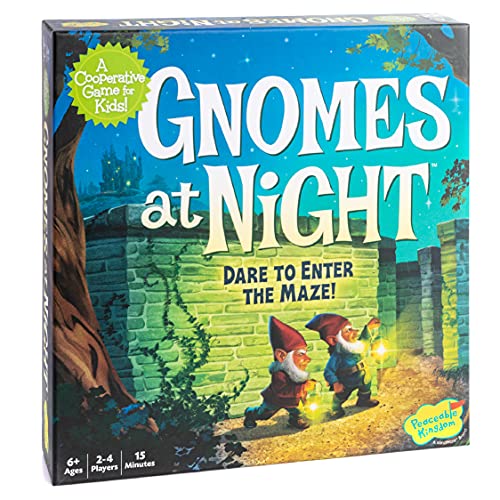
Peaceable Kingdom Gnomes at Night A Cooperative Maze Game for 2 to 4 Kids Ages 6+
Included for 'Best Cooperative Board Games for Groups' as a relevant option in this category; details come from the product listing.
View on Amazon
Gamewright Forbidden Jungle, Coop Strategy Board Game, 2-5 Players
Included for 'Best Cooperative Board Games for Groups' because the listing specifies Coop Strategy Board Game and 2-5 Players, details this guide uses to compare options.
View on Amazon
Happy Camper - The Four Doors | Cooperative Game by Pandemic and Forbidden Island Creator | Perfect for Solo Play, Two Players, and Small Groups | Portable Adventure Game
Included for 'Best Cooperative Board Games for Groups' because the listing specifies The Four Doors and Cooperative Game by Pandemic and Forbidden Island Creator, details this guide uses to compare options.
View on AmazonIt needs little more than a card-sized playing area, so a coffee table or a dining table with about 24 by 18 inches of clear space is usually sufficient. Setup takes roughly five minutes, and the small box is easy to store in a drawer or move between rooms. The game is best for ages 10 and up, although younger children familiar with trick-taking games may manage the basic missions.
Replayability comes from the campaign’s many missions and the changing hands dealt each round. It is less suitable if your group dislikes silent information-sharing restrictions or prefers a large board with visible pieces.
Dorfromantik: best relaxed choice for families
Dorfromantik uses hexagonal landscape tiles to build a shared countryside. Players work toward communal objectives while trying to create connected forests, rivers, fields, and villages. The rules are easier to learn than those of Pandemic or Spirit Island, making it a strong choice for families, casual players, and groups with mixed experience.
A typical session lasts 30 to 60 minutes, and the game supports one to six players. It has very little direct conflict: mistakes affect the shared landscape rather than eliminating an individual player. That makes it suitable for children from approximately age eight, provided an adult helps with reading objectives and scoring.
The main trade-off is that its puzzle-like challenge is gentler. It offers campaign unlocks and new content, but players seeking constant tension may find it too calm. Allow approximately 30 by 30 inches of table space once the tile landscape expands.
Pandemic: best all-purpose cooperative board game
Pandemic remains one of the most useful introductions to modern cooperative games. Each player has a specialist role, and the team travels around a world map to treat outbreaks, share information, and discover cures before several threats become unmanageable.
With two to four players, a game usually takes 45 to 60 minutes. The recommended age is eight and up, but children often need help weighing probabilities and coordinating turns. Difficulty can be adjusted through the number of epidemic cards, so the game remains useful after the first few sessions.
Pandemic needs approximately 36 by 24 inches of clear table space, including room for the board, player cards, disease pieces, and discard piles. A dining table around 60 by 36 inches gives four players more comfortable access than a small coffee table. Setup generally takes 10 to 15 minutes, including sorting cards and placing pieces.
Its limitation is quarterbacking: one confident player may try to direct everyone’s decisions. Encourage each player to choose their own action plan, particularly when introducing the game to new players.
Forbidden Island: best for younger players and quick family sessions
Forbidden Island uses a modular island made from tiles that gradually flood and disappear. The group must collect treasures and escape before too much of the island is lost. Its rules are simpler than Pandemic’s, and the physical flooding mechanism gives children an immediate understanding of the game’s urgency.
It supports two to four players, takes about 30 minutes, and is generally appropriate from age 10, with younger children able to participate when an adult handles some reading. Setup is usually under 10 minutes, and the game fits comfortably in about 30 by 24 inches of table space.
Choose Forbidden Island over Pandemic when you want a shorter, more visually straightforward experience. Choose Pandemic instead when your group wants more varied roles, planning, and long-term strategic decisions.
Spirit Island: best for deep strategy and high replayability
Spirit Island reverses the usual colonial adventure theme: players control powerful spirits defending an island from invading forces. It is one of the best cooperative board games for adults and experienced players who enjoy combining abilities, planning several turns ahead, and learning complex systems.
The game supports one to four players and commonly takes 90 to 150 minutes, particularly with four players. Its official age recommendation is 13 and up. The difficulty is high, but the challenge is adjustable through spirit selection, adversary settings, and scenario choices.
Plan on at least 48 by 30 inches of table space, and preferably more for four players. Player boards, power cards, island pieces, fear tokens, and invader cards can spread across a dining table quickly. Setup may take 15 to 25 minutes once the group knows the game, and longer for a first session.
Spirit Island has excellent replayability, but it is a poor choice for a group that meets briefly or dislikes reading detailed card text. A sturdy, stable table is also preferable because the board can remain in use for a long session.
Gloomhaven: Jaws of the Lion: best for a continuing campaign
Gloomhaven: Jaws of the Lion is a tactical dungeon-crawling campaign for one to four players. Each character uses cards to move and attack, and the campaign adds new scenarios, abilities, and story decisions over time.
Expect 60 to 120 minutes per scenario, plus approximately 20 to 30 minutes for setup and cleanup during early sessions. It suits players aged 14 and up who are comfortable with detailed rules. The game offers strong replayability within a campaign, although its value is lower for groups that rarely play together or do not want a long-term commitment.
A scenario can require roughly 48 by 36 inches of clear table space, depending on the map and number of standees. Keep the box near the playing area: the game includes many components, and repeatedly sorting them into the wrong compartments can make future setup slower.
How to match a game to your table and room
- For a small apartment: choose The Crew or Forbidden Island. Both can be played on a compact coffee table, but leave at least 18 inches of elbow room per seated player.
- For a family dining table: Pandemic or Dorfromantik gives four to six people a comfortable shared area. A 60 by 36-inch table is a practical minimum for a medium-sized board game.
- For a 10-by-12-foot room: place the table so there are about 30 to 36 inches of walking clearance around the occupied sides. Avoid positioning chairs where they block a doorway or cabinet.
- For renters or frequent movers: prioritize compact boxes and short setup times. The Crew and Forbidden Island are easier to transport than campaign games with many trays and tokens.
- For children and pets: select games with larger, distinctive components and use a table that can be cleared quickly. Small cards and tokens in Spirit Island or Gloomhaven can be difficult to recover from carpet.
Setup, storage, and furniture considerations
Table height affects comfort more than many buyers expect. A dining table around 28 to 30 inches high generally provides better legroom and card visibility than a low coffee table, especially during a 90-minute game. If players use dining chairs, allow roughly 24 inches of table edge per person for comfortable card handling.
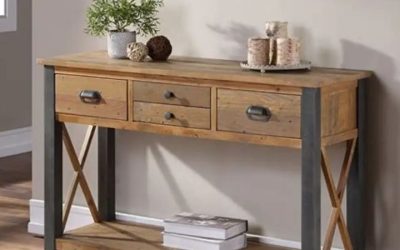
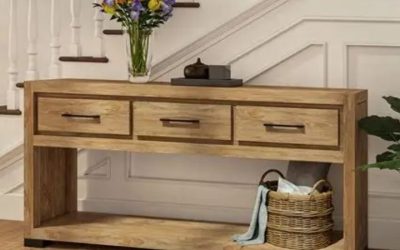
Do not place a large campaign game on a narrow console table. The furniture may hold the box, but it usually does not provide enough depth for the board and discard areas. For Spirit Island or Gloomhaven, a drop-leaf dining table can be useful: open it for play, then fold it when the room needs to serve another purpose.
Store games flat on a stable shelf, away from damp exterior walls and direct sunlight. Cardboard tiles can warp in humid rooms, while plastic inserts and token trays may crack if a heavy box is repeatedly dropped. Before buying, check whether the game can be packed back into its original box; campaign games are more enjoyable when setup is organized rather than spread across several loose containers.
Final recommendations
Choose The Crew for portability, Dorfromantik for peaceful family play, Forbidden Island for a short and accessible challenge, and Pandemic for the best general-purpose starting point. Move up to Spirit Island when your group wants demanding strategy and extensive replayability. Choose Gloomhaven: Jaws of the Lion only when you have reliable space, storage, and a group willing to return for multiple sessions.