
Key takeaways
- Searching for ‘what is a bed warmer‘? The term means anything intended to warm a bed, not one particular gadget. Today it often refers to a heated mattress pad, electric blanket, or water-heated sleep system; a hot-water bottle can serve…
Searching for ‘what is a bed warmer‘? The term means anything intended to warm a bed, not one particular gadget. Today it often refers to a heated mattress pad, electric blanket, or water-heated sleep system; a hot-water bottle can serve the same purpose without electricity.
As an Amazon Associate we earn from qualifying purchases.
By KK Home Furnishings Editorial Team
What Is a Bed Warmer and How Does It Work?
A bed warmer adds heat to bedding or the sleep surface so climbing into a cold bed feels more comfortable. Some devices are meant to preheat an empty bed; others are designed to provide controlled warmth during permitted use. The label alone does not tell you which is safe, so the exact product instructions matter more than the marketing name.
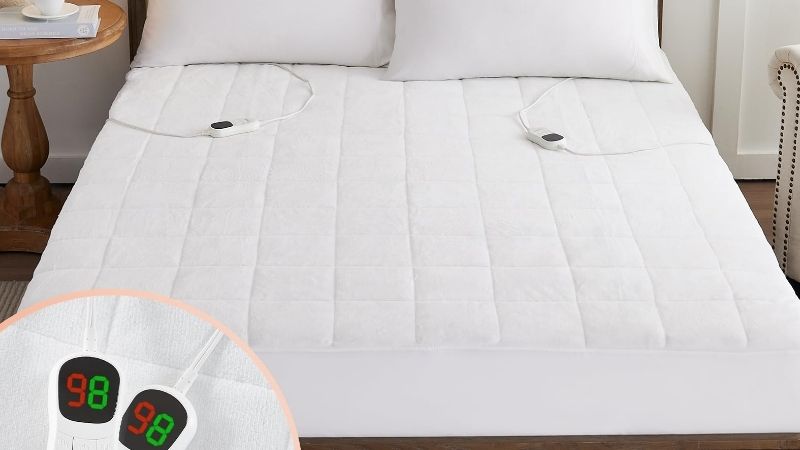
| Type | Where the warmth comes from | Useful for | Important limitation |
|---|---|---|---|
| Heated mattress pad | Electrical heating elements beneath the fitted sheet | Warming the sleep surface from below | Confirm mattress and bed-frame compatibility |
| Electric warming blanket | Electrical elements in an overblanket | Warmth from above; some models offer preheat | Do not fold, bunch, or trap wires in use |
| Water-heated mattress system | Warm water circulated through tubing in a pad | Adjustable surface warmth and sometimes separate zones | Needs a powered control unit and model-specific upkeep |
| Hot-water bottle | Stored heat from warm water in a sealed bottle | Briefly warming a small area before bed | Leak and scald risk; keep away from electric bedding |
| Warm-air bed system | Heated air directed into the bedding space | Prewarming the space beneath the covers | Installation and airflow placement differ by model |
A broad term, not a single product category
In everyday US shopping language, “bed warmer” may refer to an electric mattress pad, an electric blanket, or a dedicated climate-control system. A retailer might even use it for a warm-air device. Identify the actual heating method and where the heat goes before deciding whether it belongs under your sheet, over your body, or outside the bed.
Historically, a bed-warming pan held hot embers and was moved between the sheets before someone got into bed. That history explains the name, but it is not a practical modern sleeping solution: carrying burning fuel into bedding creates obvious fire and fume hazards. Modern bedding warmers use very different mechanisms and controls.
How electric, water, and warm-air models differ
Many electric blankets and mattress pads generate warmth through flexible heating elements integrated into fabric. A controller regulates the selected setting; some models include preheat, timers, automatic shutoff, or independent zones. Those features vary by model and do not, on their own, guarantee that any particular usage pattern is safe.
Water-based sleep systems typically heat water in a separate control unit and circulate it through thin tubes in a mattress pad. Warm-air systems move conditioned air into the space under the covers. Neither approach should be assumed suitable for every bed frame, mattress, or sleeping arrangement without reading the maker’s setup and safety directions.
Bed warmer versus electric blanket versus heating pad
An electric blanket is one kind of bed warmer, usually intended to go over the sleeper. A fitted heated mattress pad sits on top of the mattress and beneath the sheet. A small therapeutic heating pad is different again: it applies concentrated heat to a limited area and should not be substituted for bedding or used during sleep unless its instructions explicitly permit it.
The distinction is more than vocabulary. Heated mattress pads and overblankets put heating elements in different positions, changing how they interact with body weight, bedding layers, and moving bed parts. Under-blankets are not interchangeable with over-blankets; use each product only in its specified position, as electrical-safety guidance recommends.
Choose the Right Warming Approach for Your Situation
Start with the job you want done: take the chill off before getting in, maintain modest warmth from below, or make the upper bedding feel cozier. Then check who will use the bed, the mattress material, the frame, and whether the product is specifically intended for the planned duration of use. These decisions matter more than the highest advertised setting.
When you only want to preheat cold sheets
For a cold bedroom with otherwise comfortable bedding, prewarming an empty bed may be enough. Choose a product with a clearly documented preheat function, follow its setup directions, and switch it off and unplug it when warming is finished if that is the prescribed method. A hot-water bottle can also prewarm a spot, but remove it before settling in.
Preheating is a more precise goal than “maximum heat all night.” It lets you enjoy warmer bedding at bedtime without assuming the device must remain powered while you sleep. Do not treat a timer as a substitute for supervision or the owner’s manual; advice for one blanket or pad cannot automatically be transferred to another.
When warmth from below is what you want
A fitted heated mattress pad spreads warmth across much of the sleeping surface instead of draping it over your body. That can suit someone who dislikes the weight or feel of an electric overblanket. Make sure the pad lies flat, is the correct size, and is placed beneath the sheet exactly as its instructions require; do not double it over to fit.
Check your mattress warranty and care guidance before combining a heated pad with memory foam or another temperature-sensitive material. Heat can alter the feel of some foams, and mattress makers may restrict heated accessories. The relevant question is whether both the pad manufacturer and the mattress manufacturer permit the combination.
When two people have different warmth preferences
A dual-zone heated pad or water-based system can allow each side of a shared bed to use its own setting, provided the specific model supports that arrangement. This is more useful than one blanket with a single control when one sleeper prefers a cool sleep surface. Verify how many zones are actually independent before assuming a queen or king size has two.
Also consider the practical details: where the controller sits, whether the cords can stay clear of feet and moving parts, and whether each person can operate the controls easily. Separate zones do not remove the need to follow safety directions, and a partner who cannot reliably sense overheating should not depend on a warmer left running.
When you want something for a sofa or reading chair
An electric throw can provide warmth while you are awake on a couch, but that does not make it a substitute for a fitted heated mattress pad. Throws, overblankets, and underblankets have different intended positions and instructions. Pick an item meant for the place and activity where you will actually use it, rather than improvising with another category.
Avoid sitting directly on heating elements or tucking powered fabric tightly around reclining furniture unless the manual allows it. Watch for cords pinched by the reclining mechanism or caught under chair legs. A regular fleece or sherpa throw may be sufficient for reading if you do not need an actively heated product.
When the bed has adjustable parts or memory foam
An adjustable base introduces hinges, movement, and places where wires can become trapped. Some heated bedding is not approved for adjustable beds; assume nothing until the manual specifically addresses the moving frame. Water-heated pads and warm-air devices have their own tubing, hose, and placement restrictions rather than being automatically compatible.
With foam mattresses, the issue may be performance and warranty as well as electrical safety. Consult both manuals, avoid piling on extra heat sources, and do not force a cord under a mattress where it may be crushed. If neither manufacturer provides clear approval, plain bedding layers are the lower-risk way to make the bed feel warmer.
When children, pets, or heat-sensitive sleepers share the bed
Electric bed warming is not suitable for every sleeper. Avoid using heated bedding for infants and for people who cannot recognize excessive warmth, communicate discomfort, or operate the controls safely. Electrical Safety First explicitly warns against use on the bed of an infant or someone insensitive to heat; care and supervision requirements for older children depend on the maker.
Pets can also press, claw, chew, or bunch powered bedding. Never assume a pet lying on an active electric warmer is harmless. If a household member needs help sensing or responding to heat, skip an active bed warmer and choose insulating sheets, an appropriate comforter, and a comfortably heated room instead.
When you cannot confirm the warmer is safe to use
Before plugging in an electric warmer, check for worn fabric, exposed wires, scorch marks, damaged connectors, unusual odors, or a faulty controller. Stop using a suspect unit instead of attempting to repair its internal wiring. Spread heated fabric flat, keep it dry, and avoid pairing an electric blanket with a hot-water bottle or another powered heating product.
For US products, the UL 964 standard covers multiple forms of electrically heated bedding, including blankets, mattress pads, and foot warmers. Look for a genuine independent certification mark attached to the exact model, not just “UL” in a listing title. Check the Consumer Product Safety Commission recall database using the brand and model number before use.
A recall applies to the identified products, not automatically to every item from a brand. For example, 2026 CPSC notices include certain JKMAX heated products and a warning about Melinora heated blankets because of overheating and burn or fire hazards. A recall check should use the product tag and current CPSC notice, not a vague search for the brand alone.
Frequently Asked Questions
These answers address practical questions that often come up after you identify the kind of warmer you have. They are general guidance, not permission to disregard the instructions that came with a specific electric bedding product.
Can a bed warmer stay on while you sleep?
Do not assume it can. Safety organizations advise against leaving personal electric heating appliances unattended or operating while sleeping; many consumers use warming products to preheat a bed and turn them off before sleep. A product advertised for overnight bedding use still requires strict adherence to its own instructions and precautions.
Automatic shutoff is a backup feature, not proof that a particular device is appropriate for every sleeper or bed. Never keep a damaged product running to finish the night. When the instructions are missing or unclear, unplug the device and obtain the manual from the manufacturer before using it again.
Does a bed warmer make the whole bedroom warmer?
No. Most bed warmers are designed to heat bedding, the mattress surface, or the air trapped under a comforter, not an entire room. A warm-air unit may move a noticeable amount of air under the covers, but it does not serve the same purpose as a room heater or the household heating system.
That is why a bed warmer can make cold sheets more inviting without correcting a drafty room. If the room itself is uncomfortable, address drafts, insulation, and appropriate room heating separately. Do not try to compensate by putting multiple heating devices together in the bedding.
Is a hot-water bottle a bed warmer?
Yes, in the broad sense: it is a non-electric way to warm a limited patch of bedding. It is not equivalent to an all-bed electric pad because it loses heat over time and needs careful filling and handling. Hot-water bottles can leak or cause scalds, especially if the water is too hot or the bottle is damaged.
Use a sound bottle with its cover, follow its fill instructions, and do not use boiling water. Avoid direct prolonged contact with skin or pressure on the bottle. Do not use it together with an electric blanket; electrical-safety guidance specifically warns against combining the two in the same bed.
How can I tell whether a bed warmer has been recalled?
Locate the brand name, complete model number, and any relevant batch or date code on the sewn-in label or controller. Search the US Consumer Product Safety Commission’s recall and product-warning pages for that exact information. Product photos and affected model lists are essential because similarly named models may not be included.
If your product matches a recall, stop using it and follow the remedy instructions in the official notice. If you cannot confirm a model because its label is missing, contact the manufacturer before powering it. Checking a recall database once is useful, but warnings and remedies can change after the date you bought the warmer.
Final Thoughts
So, what is a bed warmer? It is a way to take the chill off bedding, ranging from electric pads and overblankets to warm-water or non-electric solutions. Match the heating method to your bed and intended use, prioritize the maker’s safety instructions, and preheat rather than assume any warmer should run overnight.
