Key takeaways
- Engineered wood (MDF or particleboard): the most common, relatively light and low in cost; edges can chip, and water damage is a risk.
- Solid wood or veneer: sturdier and more repairable, but more costly and heavier.
- Metal frames: slim and strong, often used with wood-look shelves.
- Laminate finishes: wipe-clean and common on budget units.
A tall wood-look ladder or five-tier corner unit suits most living rooms and offices, a floating corner shelf set suits small rooms with no floor space, and a freestanding unit with doors or drawers suits buyers who want to hide clutter. The deciding factors are how tall the corner is, how much weight the shelves must carry, and whether you are comfortable anchoring furniture to the wall.
Corner Bookshelves at a Glance
| Type | Best for | Typical construction (as makers describe it) | Limits |
|---|---|---|---|
| Tall five-tier corner unit | Books, décor, storage in living rooms | Engineered wood or particleboard shelves in a triangular or L-shaped frame | Corner footprint is large; needs wall anchoring |
| Ladder-style corner shelf | Small spaces, apartments | Slanted frame with graduated shelf depths | Lower weight capacity per shelf |
| Metal and wood corner shelf | Offices, industrial décor | Metal frame with wood-look shelves | Assembly can be fiddly; check shelf spans |
| Floating corner shelves | Light décor, plants, frames | Wall-mounted triangular shelves | Limited weight; needs studs or proper anchors |
| Corner unit with doors | Hiding clutter, media or toys | Shelves with closed cabinet sections | Heavier, more expensive |
| Corner bookcase with desk or display | Small home offices | Shelving combined with a work surface | Less shelf space per square foot |
Measure the Corner
Corners are not always square. Walls can be slightly out of true, and baseboards or trim can keep a unit from sitting flat against the wall. Measure the wall-to-wall width on each side at both floor level and shelf height, and compare the numbers with the maker’s footprint dimensions. Also check ceiling height and the position of vents, outlets, windows and doors, because a unit that blocks a vent or door swing causes trouble later.

FINETONES 74" Tall Corner Bookshelf, White Bookshelf with Doors | Corner Bookcase Farmhouse Bookshelves and Bookcases with Storage Large Book Shelf Storage Cabinet for Home Office
Chosen because it specifies White Bookshelf with Doors.
View on Amazon
FINETONES 74" Tall Corner Bookshelf, Green Bookshelf with Doors | Corner Bookcase Farmhouse Bookshelves and Bookcases with Storage Large Book Shelf Storage Cabinet for Home Office
Chosen because it specifies Green Bookshelf with Doors.
View on AmazonCorner shelves are sold in several shapes. A triangular unit has two sides meeting at 90 degrees with a diagonal front. An L-shaped unit has two arms of equal or different length. A radial unit has a curved front. Triangular units use less floor area but waste the space behind the front corner, while L-shaped units use the corner more efficiently for storage.
Weight Capacity and Shelf Depth
Shelf capacity is a manufacturer figure, so treat it as a maximum for evenly spread loads, not a promise for heavy hardcovers placed in the middle of a long span. Reviewers often report that thin particleboard shelves can bow over time under heavy books. For a book-heavy collection, look for thicker shelves, a center support, or a metal frame. Wider shelves look good but carry less weight than short ones.
Shelf depth also matters. Many corner units have shelves that get deeper toward the corner; the front part may be too shallow for large coffee table books. Check the stated depth at the front and at the back.
Safety: Anchor Tall Units
Tall bookcases can tip, especially in homes with children or pets. Follow the maker’s instructions and use the supplied wall anchor. Anchor into studs where possible, or use anchors rated for your wall type. Place heavier items on lower shelves. If the unit does not include hardware or the wall is unusual, such as masonry or plaster, ask a qualified handyperson for advice. For floating shelves, use the hardware the maker provides, and do not exceed the stated load.
Materials and Finish
- Engineered wood (MDF or particleboard): the most common, relatively light and low in cost; edges can chip, and water damage is a risk.
- Solid wood or veneer: sturdier and more repairable, but more costly and heavier.
- Metal frames: slim and strong, often used with wood-look shelves.
- Laminate finishes: wipe-clean and common on budget units.
Look for maker details about finish emissions and certifications if indoor air quality matters to you, and air out a new unit in a ventilated space during the first days.
Brands and Lines Often Mentioned
Buyer guides frequently point to IKEA, Sauder, Walker Edison and Winsome for corner bookcases. Lines and finishes are updated often, so read the maker’s current specifications for dimensions, weight limits and assembly instructions.
Budget Tiers
| Tier | What to expect | Trade-off |
|---|---|---|
| Budget | Thin engineered-wood shelves, simple fasteners, ladder or triangular designs | Lower weight limits; shelves may bow |
| Mid-range | Thicker shelves, metal frames, more finishes | Heavier to assemble; still engineered wood |
| Premium | Solid wood or veneer, custom or modular systems | Larger investment; long delivery times possible |
Assembly and Placement
- Allow time and two people for tall units; many reviewers describe assembly as lengthy.
- Build the unit where it will stand if it is bulky, or ensure you can carry it through doorways.
- Use a level on the floor; shim carefully if the floor slopes.
- Keep the unit away from radiators and direct sunlight, which can warp engineered wood and fade finishes.
- Load evenly and keep heavy items low.
Pick This If…
| You want… | Pick |
|---|---|
| Lots of book storage in a living room | Tall five-tier L-shaped corner unit with thick shelves |
| A narrow footprint for a small apartment | Ladder-style or triangular corner shelf |
| To hide clutter | Corner unit with doors or cabinet sections |
| Light décor in a tiny space | Floating corner shelves, anchored properly |
| A home office setup | Corner bookcase with desk or display section |
| Heavy books on long spans | Metal frame or solid wood with center supports |
Alternatives
Wall-mounted ledges
Picture ledges and floating shelves along a wall save floor space and suit lighter items and covers displayed face-out.
Standard bookcases angled into a corner
A regular bookcase set across a corner is a simple approach, but leaves unused space behind it and still requires anchoring.
Modular cube storage
Cube organizers can be arranged in an L shape around a corner and are flexible, though they are best for lighter loads or baskets.
Pre-Purchase Checklist
- Measure both wall sections, the ceiling height and the clearance for trim and outlets.
- List what you plan to store. Heavy books need thick shelves, while decor and paperbacks can use lighter shelving.
- Read the maker details for weight per shelf, shelf depth and the number of fixed versus adjustable shelves.
- Confirm that the maker includes anchoring hardware, and plan how you will fasten the unit to the wall.
- Think about delivery: tall boxes are long and heavy, so consider hallways, stairs and elevators.
- Consider the style of the room; light finishes can make a corner feel open, while dark finishes anchor a living room.
Some buyers use a corner shelf to create a reading nook, adding a chair and lamp beside it. In that case, keep lamp cords tidy and keep any lighting well away from stored paper, following the lamp maker instructions.
Frequently Asked Questions
Do corner bookshelves really save space?
They use a corner that would otherwise be empty, which helps in small rooms. The trade-off is that deep corner shelves waste some space behind the front, so measure what you plan to store.
How much weight can a corner bookshelf hold?
It depends on the model. The maker lists the capacity per shelf and sometimes for the unit overall, and those figures assume even loads. Heavy books on long thin shelves can cause sagging.
Do I need to anchor a corner bookcase to the wall?
Following the manufacturer’s instructions, yes. Tall units can tip, and anchoring is especially important with children or pets in the home. If you are unsure about your wall type, consult a qualified handyperson.
What size corner bookshelf should I buy?
Measure the width of each wall section, the ceiling height, and the clearance around trim. Compare with the maker’s stated footprint and height, and leave room for doors, vents and outlets.
Are floating corner shelves strong enough for books?
Most are designed for light décor. Check the maker’s load rating and use the right anchors for the wall; a stud, or heavy-duty anchors for drywall, is usually advised.
Can a corner bookshelf be used for a TV?
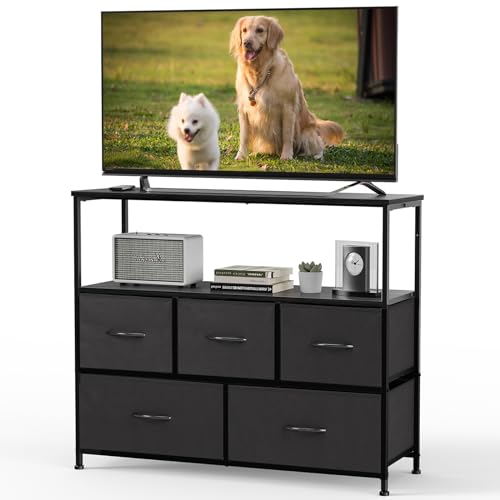
Only if the maker states it is designed for that. Many corner units are not rated for a TV; use a dedicated corner TV stand if you want to place one.
More from Amazon
Programs that pair well with the guide above. Offers and eligibility are set by Amazon and may change.
Collect the home and kitchen items you want in one registry that guests can shop from.
Create a wedding registrySet up recurring deliveries of everyday items on eligible products. Terms and savings are set by Amazon.
Explore Subscribe & SaveFree shipping on eligible items, Prime Video and more. Eligible new members can start with a free trial.
Start a Prime free trialAudiobooks and podcasts to listen to on the go. Eligible new members can start with a free trial.
Try Audible freeAs an Amazon Associate we earn from qualifying purchases.