
Key takeaways
- The best exercise upright bike is one that lets its intended rider reach the pedals, seat and controls comfortably within the model's adjustment range....
What's inside
- Confirm that upright is the format you want
- Use a fit checklist during a demonstration
- Check a second rider independently
- Assess controls through basic operation
- Fit the operating arrangement into the room
- Close the remaining purchase questions
- Product listings to compare
- Additional product links
- Related reading
The best exercise upright bike is one that lets its intended rider reach the pedals, seat and controls comfortably within the model’s adjustment range. Begin with a fit assessment and a clear description of the riding position you want. Do not assume that every stationary bicycle uses the same posture or that a compact frame is automatically easier to get on.
This guide provides practical selection and use considerations. It does not report hands-on product testing.
Confirm that upright is the format you want
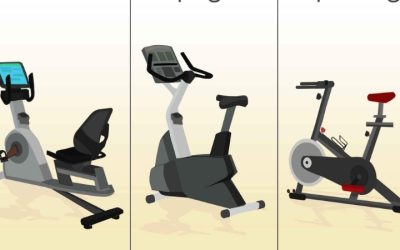
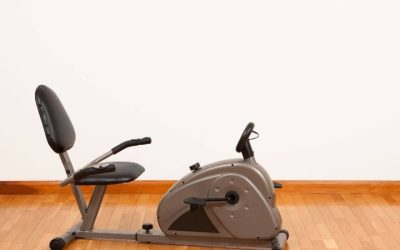
Retail searches can mix upright bikes with recumbent models, indoor cycles and small pedal units. Compare their actual seating arrangements instead of relying on the category label. A recumbent design typically presents a different seat-and-pedal layout, while a pedal unit depends on a separate seat. Neither should be treated as the same purchase as a complete upright bicycle.
If you are uncertain about the preferred format, try an appropriate demonstration or obtain guidance before narrowing the shortlist. Mobility, balance or health considerations may call for individual advice. The purpose of the comparison is to identify suitable equipment, not to insist that the original search term must determine the final purchase.
Use a fit checklist during a demonstration
Ask how the seat adjusts and how the setting is secured. Check the reach to the handlebars and controls in the intended position. Consider getting on and off separately from pedaling. A rider may reach the pedals yet still find an adjustment control or access route awkward.
Follow the manufacturer’s setup guidance rather than guessing at a universal seat measurement. A qualified instructor or appropriate retailer can help assess the position. Do not interpret a brief sit on the bike as proof of long-term comfort, but use it to identify specific questions that a dimensions chart leaves unanswered.
Check a second rider independently
If the bike will be shared, repeat the assessment for each person. Record the required adjustments and how they are made. A wide-looking adjustment slot is not evidence that the same bike accommodates every rider. Confirm the model’s documented limits and avoid relying on a broad suitable-for-everyone description.
Consider whether users can make the changes correctly without moving the bike or reaching behind nearby furnishings. Keep a clear record of settings if that is useful, but do not let a remembered setting replace the normal securing checks. Shared equipment needs a repeatable handover as well as a suitable initial fit.
Assess controls through basic operation
Find out how resistance is changed and which feedback is available during ordinary use. A greater number of levels does not explain whether the controls are understandable or whether the range suits a rider. Check what works without an account, subscription or external device, and separate those functions from optional classes.
Look at the display from the actual riding position. If a device holder is important, verify its permitted dimensions and position. Do not plan to balance a phone on moving or unsuitable parts. Any required power connection should follow the model’s electrical instructions and remain clear of access routes.
Fit the operating arrangement into the room
Measure the bike with the manufacturer’s required clearances and the rider’s approach included. Open nearby doors and drawers on the plan. An upright bike that fits tightly into a corner may still block the movement needed to mount it or adjust the seat.
For relocation, read the handling procedure and check the path to storage. Transport wheels do not prove that every threshold, floor or user can be accommodated. Compare a movable arrangement with leaving the bike in a suitable permanent location rather than making compact storage the sole goal.
Close the remaining purchase questions
Confirm the exact model, package contents, delivery service and assembly responsibilities. Obtain return conditions before relying on a home assessment after assembly. Ask who handles missing parts or warranty support and keep the model identifier with the receipt.
A useful upright-bike decision ends with a rider who has been considered, controls that are understood and a workable place to use the equipment. Cosmetic details and extra screen features can distinguish suitable candidates, but they should follow those essential checks rather than substitute for them.
Product listings to compare
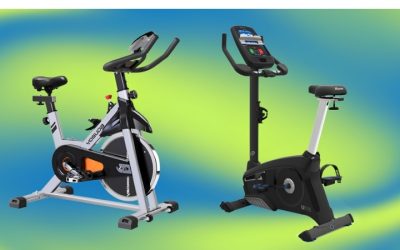
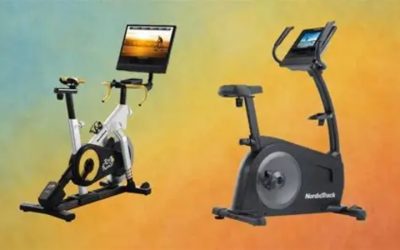
As an Amazon Associate we earn from qualifying purchases at no extra cost to you. Product prices and availability are accurate as of the date shown and are subject to change. Compare the selected variant and its current description with the requirements above.
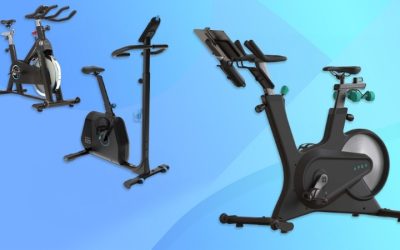
As an Amazon Associate we earn from qualifying purchases at no extra cost to you. Product prices and availability are accurate as of the date shown and are subject to change.


Additional product links
- Start 30-Day Prime Free Trial →
- See Today’s Amazon Deals
- ▸ Try Amazon Prime — free 30-day trial
- ▸ Start an Audible Premium Plus free trial
- ▸ Read free with Kindle Unlimited
Related reading
- Best exercise upright bike
- Chris Parker
- Best Exercise Bike Workout for Weight Loss: 5 Bike Setups
- Best Exercise Bike for Weight Loss: 5 Consoles Compared
- Exercise Bike Best for Losing Weight: 5 Models Compared
- Best Bike Exercise to Lose Weight: 6 Frame Styles Compared
- Best Exercise Bike for Fat Loss: 5 Picks by Flywheel Weight
- Hot yoga mat best
- Best dumbbells exercises
- Best workout dumbbells
- Best back exercises using dumbbells
- Best exercise stationary bike
- Best Home Exercise Bike Recumbent: 6 Picks for Small Rooms
- Best Home Exercise Bike: 6 Picks for Small Flats and Noise
- Best Workout Exercise Equipment: 6 Picks for Small Homes
- Best Exercise Bike on a Budget: 6 Picks and Total Costs
- Best Cheap Exercise Bike: 6 Picks and Their Hidden Costs
- Best Affordable Exercise Bike: 6 Picks by Flywheel Weight
- Best Bike Exercise: 6 Home Machines and How to Train on Them


Write Your Review
No reviews yet. Be the first to share your experience!