
Key takeaways
- The best bike exercise to lose weight can take several forms: self-paced riding, an instructor-led class or a program built into the bike. Choose the...
What's inside
The best bike exercise to lose weight can take several forms: self-paced riding, an instructor-led class or a program built into the bike. Choose the format whose instructions and controls you can follow appropriately. The choice is about organizing activity, not selecting a guaranteed weight-loss shortcut; eating patterns and individual circumstances also matter.
This guide provides practical selection and use considerations. It does not report hands-on product testing.
Option one: a self-paced manual ride
Use the bike’s documented manual mode when you want to control the session yourself. Establish the supported riding position, learn the stopping procedure and begin with an appropriate pace and resistance for your ability. Keep the first plan simple enough that you understand what you are changing and why.
During the ride, make any changes through the controls described in the manual. Do not copy a number from a different bike as though the settings have the same meaning. If adjusting a control becomes confusing, pause through the supported procedure and resolve the question before continuing rather than experimenting while trying to maintain the ride.
Option two: an instructor-led class
Read the class description before starting. Check its stated experience level, equipment assumptions and available modifications, and choose instruction appropriate to your situation. A class designed around a different bike may refer to controls or settings your machine does not provide; clarify those differences instead of guessing an equivalent.
Follow an appropriate modification or pause when you cannot maintain the activity as instructed. You do not need to match another rider’s resistance or movement to justify taking the class. If a cue requires a position or use your bike does not permit, do not follow it on that equipment. Product limits remain relevant even when a video demonstrates something else.
Option three: a built-in programmed session
Inspect the program description and the bike’s instructions before selecting it. Determine whether the program changes resistance automatically or only prompts you to make a change. Identify how to reduce the demand, pause or end the program using the supported controls, rather than learning those functions only when a change occurs.
Choose a program because its format is appropriate and understandable, not because its name promises fat burning. A preset session cannot assess every individual’s circumstances. If its changes are unsuitable or unclear, end it through the documented procedure and select a more appropriate option with guidance where needed.
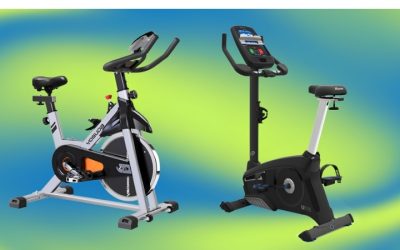
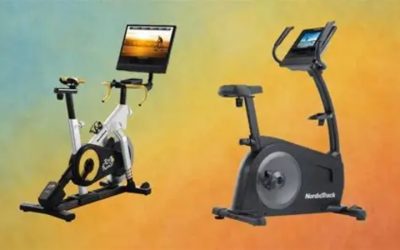
Product listings to compare
As an Amazon Associate we earn from qualifying purchases at no extra cost to you. Product prices and availability are accurate as of the date shown and are subject to change. Compare the selected variant and its current description with the requirements above.
As an Amazon Associate we earn from qualifying purchases at no extra cost to you. Product prices and availability are accurate as of the date shown and are subject to change.


Use the same basic checks for every format
Fit the bike according to its instructions and obtain appropriate help when adjustment questions remain. Keep access, controls and moving parts unobstructed. A tablet or class display should use a supported arrangement and should not force you to reach around it to operate the machine.
For a broad reference on moderate effort, the CDC describes being able to talk while finding singing difficult. This is general relative-intensity guidance, not a medical test or a reason to ignore symptoms. Stop if concerning symptoms occur and obtain appropriate help. Individual health advice takes priority when it applies.
Decide when to change formats
After trying an appropriate session, ask what made it easier or harder to follow. Manual riding may suit someone who prefers direct control; a class may help someone who wants instruction; a built-in program may appeal when its changes are clearly understood. These are preferences to evaluate, not universal rankings of effectiveness.
Record the format and any relevant bike settings so the next decision has context. Do not treat a higher calorie display as proof that one format caused more weight loss. Changes in equipment, program or settings can also change what the displayed numbers mean.
Develop the chosen approach gradually
The CDC recommends starting slowly and increasing time or challenge gradually. Apply that principle within a suitable activity plan rather than changing to the most demanding class or preset because it is available. Where a health condition or uncertainty affects the plan, seek appropriate individual guidance.
Choose the format you can operate and follow responsibly, then review it as your requirements change. Equipment features should support that choice. They should not force you into a session that is confusing or inappropriate simply because it comes with the bike.
Additional product links
- Start 30-Day Prime Free Trial →
- See Today’s Amazon Deals
- ▸ Try Amazon Prime — free 30-day trial
- ▸ Start an Audible Premium Plus free trial
- ▸ Read free with Kindle Unlimited
Related reading
- Best bike exercise to lose weight
- Chris Parker
- Best Exercise Bike Workout for Weight Loss: 5 Bike Setups
- Best Exercise Bike for Weight Loss: 5 Consoles Compared
- Exercise Bike Best for Losing Weight: 5 Models Compared
- Best Exercise Bike for Fat Loss: 5 Picks by Flywheel Weight
- Best Cheapest Exercise Bike: 6 Budget Picks Under Review
- Best beginner jump rope
- Best boxing jump rope
- Best boxer jump rope
- Best cheapest yoga mat
- Best workout exercise equipment
- Best Exercise Bike on a Budget: 6 Picks and Total Costs
- Best Home Exercise Bike: 6 Picks for Small Flats and Noise


Write Your Review
No reviews yet. Be the first to share your experience!