
Key takeaways
- When looking for the best boxer jump rope, identify the exact product behind the name. Check whether an offer supplies a complete rope, an alternative...
What's inside
- Decode the listing before comparing features
- Scenario one: buying a first complete rope
- Scenario two: keeping existing handles or replacing everything
- Scenario three: one rope for several users
- Product listings to compare
- Assess the room before choosing indoor use
- Plan how the equipment is put away
- Use a final purchase check
- Additional product links
- Related reading
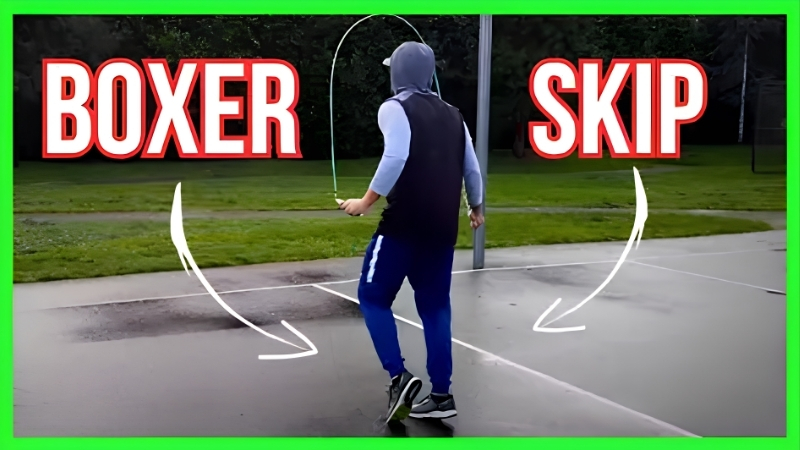
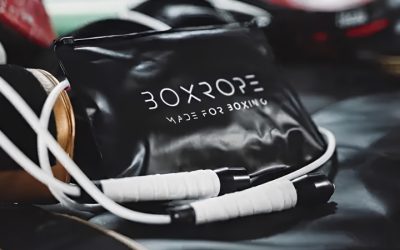
When looking for the best boxer jump rope, identify the exact product behind the name. Check whether an offer supplies a complete rope, an alternative cord or another component, and then compare it with the equipment your training requires. The label alone does not establish a standard configuration or a guaranteed effect on footwork.
This guide provides practical selection and use considerations. It does not report hands-on product testing.
Decode the listing before comparing features
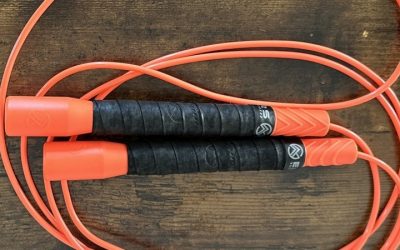
Write down the model, selected variation and package contents. Product images may show more than one color or configuration, while the chosen offer contains only one. Confirm the cord and handles supplied together instead of assuming that everything pictured is included.
If you already own part of a system, verify any proposed replacement against the exact compatibility information. Similar names or connection shapes are not sufficient evidence that parts interchange. A lower component price should not be compared with the cost of a complete rope without making the difference clear.
Scenario one: buying a first complete rope
A first-time buyer needs an understandable complete assembly. Compare one suitable cord-and-handle combination with multi-part kits, making a separate list of optional extras. A second cord or carrying case deserves its own reason for inclusion; it does not make the basic rope more suitable merely by increasing the package size.
Use the equipment requirements of the instruction you follow to narrow that choice. If an unfamiliar format is specified, clarify it before buying. Treat the complete kit as a shopping option, not a training program or evidence that its contents will improve coordination or conditioning.
Scenario two: keeping existing handles or replacing everything
When a cord or fitting needs replacement, record the exact existing model before searching. Confirm compatible part numbers and the maker’s installation procedure. A listing with a similar handle shape may belong to another system, and the ability to physically connect two parts does not establish an approved combination.
Compare the supported replacement route with a complete new assembly. Include required fittings rather than comparing a bare cord with a whole rope. If the existing system cannot be identified, seek clarification before ordering a component that may not solve the problem.
Scenario three: one rope for several users
Shared use makes the adjustment procedure central. Check whether setting the length requires cutting, tools or a fastening intended only for initial setup. Do not infer frequent readjustment from a broad advertised range. Consider whether separately assigned ropes would simplify the household arrangement instead.
Compare identification and storage alongside purchase cost. Keep each supported configuration together and avoid a common box of unidentified cords and handles. The decision is about a workable ownership arrangement, not a claim that sharing or individual equipment produces a better training result.
Product listings to compare
As an Amazon Associate we earn from qualifying purchases at no extra cost to you. Product prices and availability are accurate as of the date shown and are subject to change. Compare the selected variant and its current description with the requirements above.
As an Amazon Associate we earn from qualifying purchases at no extra cost to you. Product prices and availability are accurate as of the date shown and are subject to change.


Assess the room before choosing indoor use
A compact stored rope can still require a substantial clear activity area. Account for its path, the user’s movement and overhead objects, using the requirements of the taught activity. Nearby furnishings should not determine an altered movement just because they occupy the available corner.
Read the permitted-surface information and consider whether the intended location meets it. Do not assume that a rug or a general-purpose mat resolves every concern. If the home does not offer the necessary arrangement, use a suitable alternative space rather than choosing equipment on the assumption that all rope work fits indoors.
Plan how the equipment is put away
Follow the product’s storage guidance and keep compatible components identified. Give the rope a place that does not obstruct the route through the room or mix it with unrelated cords. A neat container is useful only when it accommodates the intended storage form.
Retain the instructions and purchase details for future questions. When an unexplained change or visible damage appears, follow the service guidance rather than improvising a repair. Knowing the exact model is especially useful when a product family contains several similar versions.
Use a final purchase check
- Is the selected offer the complete configuration you intend to use?
- Do its documented characteristics match the training requirement?
- Can it be adjusted by the supported method?
- Is an appropriate practice and storage area available?
- Are care, replacement and return arrangements clear?
Choose among the products that answer those questions. The strongest justification is a specific match between equipment and use, with an understandable ownership process. A boxer label can narrow a search, but it should not replace that assessment.
Additional product links
- Start 30-Day Prime Free Trial →
- See Today’s Amazon Deals
- ▸ Try Amazon Prime — free 30-day trial
- ▸ Start an Audible Premium Plus free trial
- ▸ Read free with Kindle Unlimited
Related reading
- Best boxer jump rope
- Chris Parker
- Best Shoes for Jump Rope: 5 Picks for Concrete and Timber
- Best Shoe for Jump Rope: Forefoot Cushioning and Drop Guide
- Best Full Body Workout Equipment: 6 Machines vs Free Weights
- Best Gym Equipment for Full Body Workout: 5 Key Choices
- Best Workout Gym Equipment: 6 Heavy-Duty Picks for Home Use
- Best beginner jump rope
- Best boxing jump rope
- Best cheapest yoga mat
- Best workout exercise equipment
- Jump Rope Best Picks: 6 Ropes for Speed and Small Rooms



Write Your Review
No reviews yet. Be the first to share your experience!