
Our Top Picks
Short answer: the best stability ball for most adults is a 65 cm (26 in) anti-burst ball with a wall at least 2 mm thick, a pebbled PVC surface, a rated static load of 660 lb (300 kg) or more, and a pump, two plugs and a measuring tape in the box — usually $25–$45. Size beats brand every time: 55 cm if you are under 5’6″, 65 cm from 5’6″ to 5’11”, 75 cm from 6’0″ to 6’3″, 85 cm above that, and 45 cm for kids and adults under 5’0″. If the ball is going to live under a desk rather than in a workout corner, buy it for seat height first, because a 65 cm ball compresses to roughly 55–58 cm under a 155 lb adult, and that number has to line up with your desk or your elbows will drop below 90°.
How to size a stability ball to your height (the numbers)
Every stability ball problem starts with the wrong diameter. The ball is the one piece of home fitness gear where “one size fits all” is actively harmful: too small and your knees ride above your hips, too large and you cannot keep your feet flat without sliding forward. Manufacturers publish height charts, but they round aggressively, so here is the working version with the compression already factored in.

APEXUP Yoga Ball, 660 lbs Anti-Burst Exercise Ball with Pump, 5 Sizes
Chosen because it specifies 660 lbs Anti-Burst Exercise Ball with Pump and 5 Sizes.
View on Amazon
TRX Training Stability Ball for Improving Posture and Core Strength, Yoga Ball for Gym, 55 cm
Chosen because it specifies Yoga Ball for Gym and 55 cm.
View on Amazon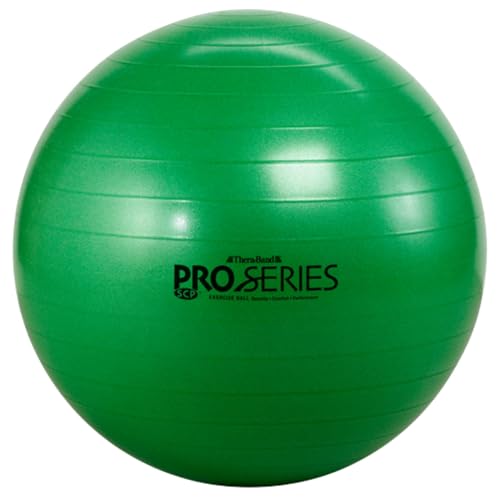
THERABAND Pro Series Exercise Ball, 26", Yoga, Pilates, Balance, Green
Chosen because it specifies 26" and Yoga.
View on Amazon
Trideer Extra Thick Yoga Ball Exercise Ball, 5 Sizes Ball Chair, Heavy Duty Swiss Ball for Balance, Stability, Pregnancy, Physical Therapy, Quick Pump Included (Black, XXL (78-85cm))
Chosen because it specifies 5 Sizes Ball Chair and Heavy Duty Swiss Ball for Balance.
View on Amazon| Your height | Ball diameter | Circumference at full inflation | Seat height under a 155 lb / 70 kg adult | Works for |
|---|---|---|---|---|
| Under 5’0″ (152 cm) | 45 cm (18 in) | 141 cm (56 in) | 38–41 cm | Kids, petite adults, hand and knee work |
| 5’0″–5’5″ (152–165 cm) | 55 cm (22 in) | 173 cm (68 in) | 46–49 cm | Seated work, prenatal use, smaller apartments |
| 5’6″–5’11” (168–180 cm) | 65 cm (26 in) | 204 cm (80 in) | 55–58 cm | The default for desk sitting and full-body work |
| 6’0″–6’3″ (183–191 cm) | 75 cm (30 in) | 236 cm (93 in) | 63–67 cm | Taller users, back extension and plank work |
| 6’4″+ (193 cm+) | 85 cm (34 in) | 267 cm (105 in) | 72–76 cm | Very tall users, stretching, gym-style use |
Two things to notice in that table. First, the circumference column: if a ball arrives without a size marking, wrap a string around its widest point and measure. A 65 cm ball reads 204 cm around; if yours measures 195 cm it is still under-inflated and will behave like a 55 cm ball once you sit on it. Second, the seat height column assumes a 155 lb adult. A 220 lb user compresses a 65 cm ball about 2–3 cm further, and a 110 lb user compresses it 2–3 cm less. If you are shopping for two people of very different weights, buy for the lighter person and accept a slightly lower seat for the heavier one.
The three-second fit test
Inflate the ball, sit on it with feet flat and shoulder-width apart, and check three things: your knees should be level with or slightly below your hips; your thighs should be roughly parallel to the floor; and you should be able to rest your palms on the ball without hunching. If your knees sit higher than your hips, the ball is too small. If you have to reach forward with your toes to stay stable, it is too big or too hard.
Anti-burst ratings, weight capacity and what the numbers actually mean
“Anti-burst” is the single most abused term in this category. It does not mean puncture-proof. It means the ball is constructed so that a puncture produces a slow, controlled deflation through the hole rather than an explosive failure — which matters enormously if you are sitting at 60 cm off the floor when it happens.
| Rated static load | What it typically indicates | Safe for | Typical price band |
|---|---|---|---|
| 300 lb / 136 kg | Thin-wall PVC, often 0.8–1.2 mm. “Anti-burst” is sometimes just “burst-resistant” | Seated use only, users under 150 lb | $10–$20 |
| 440 lb / 200 kg | Mid-grade PVC around 1.5 mm, seam-welded valve | Seated use, light bouncing, most adults | $15–$28 |
| 660 lb / 300 kg | 2 mm wall, textured surface, the practical sweet spot | Daily desk sitting plus real workouts | $25–$45 |
| 1,100 lb / 500 kg | 2–2.5 mm wall, heavier ball, slower to inflate | Heavy users, group or studio use | $35–$60 |
| 2,000 lb / 907 kg | Top of the consumer range; frequently a marketing ceiling rather than a tested figure | Anything a home user will do | $30–$55 |
The critical caveat: those are static ratings. When you bounce, the load spikes to roughly two to three times your body weight on landing. A 200 lb user bouncing hard can momentarily put 400–600 lb through the ball. The safe rule is that your ball’s static rating should be at least double your body weight if you plan to bounce at all, and the wall thickness matters more than the headline number — a 2 mm wall at 660 lb is a better ball than a 1.2 mm wall claiming 2,000 lb.
Two structural failure points cause almost every incident. The valve is the first: a cheap valve that is glued rather than welded can pull free under repeated bouncing. The seam is the second. Neither is visible from the outside, which is why brand consistency matters more in this category than in most.
Material and construction trade-offs
| Construction | Wall thickness | Grip (dry / sweaty) | Smell out of the box | Puncture behaviour | Typical price | Best for |
|---|---|---|---|---|---|---|
| Budget PVC, smooth | 0.8–1.2 mm | Poor / very poor | Strong plastic odour, fades in 1–2 weeks | Can pop under load | $10–$20 | Occasional stretching, light seated use |
| Phthalate-free PVC, pebbled | 1.5–2.0 mm | Good / fair | Mild, gone in days | Slow deflation | $20–$40 | The default choice for most homes |
| Heavy-duty PVC, deeply textured | 2.0–2.5 mm | Very good / good | Mild | Slow deflation, holds shape while deflating | $30–$60 | Daily desk sitting, bouncing, heavy users |
| TPE / rubberised shell | 1.8–2.2 mm | Excellent / excellent | Minimal | Slow deflation | $40–$75 | Sweaty workouts, hard floors, grip-sensitive users |
| Flocked / velvet finish | 1.2–1.8 mm | Fair dry, poor sweaty | Low | Slow deflation | $25–$50 | Pilates and stretching, looks, low sweat |
| Foam-covered / weighted base | n/a (shell over core) | Good | Low | Highly resistant | $60–$130 | Users who want the ball to stay put |
| ABS frame ball chair | n/a (frame + ball) | Varies with the ball used | Low | Depends on the ball | $70–$180 | Full-time desk sitting with a backrest |
The single most underrated spec in that table is texture. A smooth 2 mm ball on a hardwood floor is more dangerous than a pebbled 1.5 mm ball, because grip is what keeps your hips from shooting out from under you during a hamstring curl or a seated march. If you work out on tile or laminate, prioritise texture over thickness.
Surface grip: what actually helps and what does not
Grip is a surface property that degrades with use, and almost nobody maintains it. A film of skin oil, floor dust and carpet fibre builds up on the ball within a few weeks and cuts grip noticeably. A wipe with mild soap and water every week or two restores most of it. Do not use silicone sprays, furniture polish or alcohol-based cleaners — they leave a slick layer that is worse than the dust.
Floor type changes the calculation more than the ball does:
- Hardwood and laminate: lowest friction, highest risk. Use a textured ball and a 6 mm+ exercise mat under it. A mat also protects the floor from the ball’s plasticiser over long periods.
- Low-pile carpet or a rug with a non-slip pad: the best surface for ball work. The ball rolls a little slower and grip is not the limiting factor.
- High-pile or shag carpet: stable, but the ball picks up fibre and the texture clogs. Brush it off monthly.
- Tile or concrete: grip is fine when dry, poor when you sweat on the floor. Keep a towel under the ball for workouts.
One more grip note: bare feet beat socks, always. If you use a ball at a desk in socks on a hard floor, you are relying entirely on the ball’s texture to keep you upright, and that is a bad bet over a full workday.
Inflation accessories: what should be in the box
The accessories are where budget balls cut corners, and it shows up as a ball that never quite reaches its stated size. A complete kit contains:
- A pump. Hand pumps take 40–80 strokes for a 65 cm ball; a dual-action or foot pump roughly halves that. A ball that ships without a pump costs you either a separate $10–$15 purchase or a trip to a petrol station air line, which is easy to overfill.
- A hose with the right adapter. The nozzle must seat in the valve without leaking. A loose fit means you pump for ten minutes and gain nothing.
- Two plugs (one installed, one spare) plus a plug remover. The plug remover matters: pulling a plug out with pliers or a keychain scratches the valve seat and creates a slow leak.
- A measuring tape or a printed circumference guide. This is the accessory that turns “65 cm” from a label into a fact.
- Sometimes a workout guide, a resistance band, or a base ring. Treat these as bonus, not as reasons to buy.
The inflation protocol that most people skip
PVC stretches. Inflate a new ball to roughly 80–90% of full size, let it sit at room temperature (18–24 °C) for 24 hours, then top it up to the correct circumference. Skip the rest period and the ball will feel firm on day one and soft by day three. Expect it to grow 1–2 cm over the first week regardless.
After that, check the circumference every four to eight weeks. PVC balls lose roughly 5% of their pressure per month in a dry, heated room, and a ball that has dropped from 65 cm to 61 cm is no longer the ball you sized for yourself. Store balls away from radiators and direct sun: heat raises internal pressure and UV makes PVC brittle over a couple of summers.
Using a stability ball as a chair: the desk math
This is where most ball-chair experiments fail, and it has nothing to do with the ball. A standard desk sits at 73–76 cm (29–30 in). A 65 cm ball under a 155 lb adult gives a seat height of 55–58 cm. That leaves a 15–21 cm gap between your seat and the work surface, which forces your elbows below 90°, drops your shoulders forward and produces exactly the slouch the ball was supposed to prevent.
Three fixes, in order of effectiveness:
- A height-adjustable desk set to 68–70 cm. This is the clean solution. At 68–70 cm with a 65 cm ball, elbows land at 90–100° and the setup works for a full day.
- A keyboard tray. Cheaper, but it changes your reach and can put the mouse in an awkward spot.
- A smaller ball. Dropping from 65 cm to 55 cm lowers your seat by roughly 9 cm. That can work for a shorter user, but only if the smaller ball still passes the knee-height test.
Also budget your sitting time. A ball with no backrest keeps your deep core switched on, but it fatigues the same muscles that support your spine, and most people find 20–40 minutes at a stretch is the comfortable limit before they start fidgeting into bad positions. Alternating ball sitting with standing or a normal chair through the day beats trying to spend eight hours on it.
Clearance, room fit and moving realities
Stability balls are light but bulky, and that combination creates problems people do not anticipate.
- Desk roll-back: leave 60–75 cm of clear floor behind the ball. A 65 cm ball on a hard floor rolls about a metre with a light push, and if it hits a wall mid-workday you will feel it in your lower back.
- Workout footprint: plan for a 90 × 90 cm clear zone for a 65 cm ball if you are doing curls, planks and presses. In a 10 × 12 ft room (roughly 3.0 × 3.7 m), that leaves room for a mat and a small dumbbell rack but not much else.
- Doorways: a standard interior door is 76–81 cm (30–32 in) wide. A fully inflated 85 cm ball will not pass through a 76 cm doorway — deflate it to about 70% or move it deflated. A 75 cm ball squeezes through a 30 in door if slightly soft. A 65 cm ball passes a 28 in door without complaint.
- Storage: a 65 cm ball in a closet takes up about the space of a large suitcase. If floor space is tight, a deflated spare plus one inflated ball is a better arrangement than three inflated balls.
- Weight in transit: a boxed 65 cm ball with pump and accessories runs 1.5–2.5 kg, so shipping weight is never the issue — bulk is.
Decision matrix: match the ball to your situation
| Your situation | Diameter | Key spec to prioritise | Skip | Typical price |
|---|---|---|---|---|
| Small apartment, ball does double duty | 55–65 cm | 2 mm anti-burst wall, included pump, spare plug | Weighted or foam-covered balls — heavy and bulky | $25–$40 |
| Kids in the house | 45–55 cm | Anti-burst construction, no loose plugs, phthalate-free PVC | Cheap smooth PVC; anything without a stated load rating | $15–$30 |
| Cats and dogs | Any | Thicker wall, plus a storage bin or a wall hook | Flocked finishes — claws shred them and they hold hair | $25–$45 |
| Renters (deposit protection) | 55–65 cm | Use a mat; check the ball’s plasticiser does not mark vinyl or lacquer | Anything stored inflated against a wall for months | $20–$40 |
| Lower-back discomfort from desk work | 55–65 cm | Height-adjustable desk at 68–70 cm, textured surface | Full-day ball sitting without a desk adjustment | $30–$50 plus desk |
| Full-time desk chair replacement | 65 cm in a frame | Ball chair with casters and a backrest, fixed seat height checked against your desk | Bare ball for 8 hours a day | $70–$180 |
| Prenatal use | 55–65 cm | Anti-burst, phthalate-free, moderate firmness | Very firm balls — less comfortable for rocking | $25–$45 |
| Heavy user over 250 lb | 65–75 cm | 2.5 mm wall, 1,100 lb+ static rating, welded valve | Any ball rated under 660 lb static | $35–$60 |
| Home gym with a hard floor | 65–75 cm | TPE or deeply textured PVC, mat underneath | Smooth-surface budget balls | $35–$75 |
What wears out first, and when
A stability ball is not a lifetime purchase, and knowing the failure order helps you decide what to spend.
- Weeks 1–4: the ball stretches and loses apparent firmness. This is normal, not a defect.
- Months 6–18 (budget ball): the valve seal starts to weep. You will notice you are topping it up every week instead of every month.
- Months 12–24: the surface develops a sheen and grip drops. Wiping helps for a while; eventually the texture itself is worn smooth.
- Years 2–4 (2 mm ball): the seam becomes the weak point. Any visible bulge, ripple or discoloured line near the seam means replace it, not repair it.
- Any time: a puncture from a pet claw, a picture hook, a screw on a chair leg or a staple in the carpet. This is the number one cause of premature replacement in homes with animals.
Retire a ball if it has been sitting inflated and untouched in a hot room for a full summer, if the surface has gone tacky, or if it holds pressure for less than two weeks. Balls are cheap; a fall is not.
Roundup: the best stability balls by use case
The picks below are grouped by what they are actually good at. Specifications are the ranges these lines are commonly sold with; sizing, colours and bundle contents change between batches, so confirm the current spec sheet before buying. Prices are general market ranges for the ball or kit as sold.
1. Trideer Extra Thick Exercise Ball — the default all-rounder
Trideer’s extra-thick line is the ball most people end up with, and for good reason: it hits the practical spec sheet without charging for it. Sizes run 45, 55, 65, 75 and 85 cm, the wall is in the 2 mm class, and the surface is a pebbled PVC that grips reasonably well on both carpet and hard floors. The line is commonly sold with a hand pump, a plug remover, spare plugs and a measuring tape, which covers the whole accessory checklist in one purchase.
The company markets several of its sizes as birthing balls as well as exercise balls, which tells you something about the firmness: it is a moderate-feel ball rather than a rock-hard one, comfortable for rocking and seated work. The trade-off is that very heavy users will find it compresses more than a 2.5 mm ball. Typical price: $25–$40 depending on size and bundle.
Buy it if: you want one ball that covers desk sitting, core work and stretching without a second purchase. Skip it if: you weigh over 250 lb and plan to bounce.
2. Live Infinitely Exercise Ball — best accessory bundle
Live Infinitely sells its balls as kits, and the kit is the point. Alongside the ball you typically get a dual-action pump, a hose, two plugs, a plug remover and a measuring tape; some bundles add a resistance band or a workout guide. The ball itself is a 2 mm-class pebbled PVC in 55, 65, 75 and 85 cm, with a stated anti-burst construction and a static rating in the 660 lb bracket.
The practical advantage is the pump. A dual-action pump fills a 65 cm ball in roughly half the strokes of a basic hand pump, and if you own more than one ball — a 55 cm for a partner and a 65 cm for yourself, say — that matters twice a year when both need topping up. Typical price: $25–$45.
Buy it if: you want everything in one box and hate buying accessories separately. Skip it if: you already own a pump and want to save a few dollars on the ball alone.
3. URBNFit Exercise Ball — best texture for sweaty workouts
URBNFit’s ball leans on surface texture more than on wall thickness, and that is the right call for anyone doing actual training on it rather than just sitting. The pebbled, slightly matte finish holds grip better than a smooth ball once your hands or thighs get damp, which is exactly the condition that causes slips during hamstring curls, seated marches and plank variations. Sizes run 45 to 85 cm, and the bundle includes a pump, plugs and a measuring tape.
URBNFit also sells ball-chair bases and balance accessories in the same ecosystem, so if you later decide you want the ball to live under a desk with a frame, you can stay in one product family. Typical price: $25–$45.
Buy it if: grip is your priority and you train on hard floors. Skip it if: you want a velvet or flocked finish for Pilates aesthetics.
4. Black Mountain Products Exercise Ball — best size range
Black Mountain Products covers the widest spread of diameters in the consumer market, from 45 cm up to 85 cm, which makes it the line to look at when you are buying for a household with a child, an average adult and a very tall adult at the same time. The construction is a 2 mm-class PVC with an anti-burst claim, and the bundles typically include a pump, plugs, a plug remover and a tape.
The brand also sells a ball-chair base that accepts its own balls, which is a genuinely useful option if you want to convert a ball you already own into a castered desk chair rather than buying a separate unit. Typical price: $20–$40 for the ball; the base runs separately in the $60–$100 range.
Buy it if: you need three different diameters and want them from one place. Skip it if: you only need one ball and want a premium shell.
5. BalanceFrom Exercise Ball — the budget option that still passes
BalanceFrom sits at the value end of the market and is honest about it. The balls are typically 55, 65 and 75 cm in a 1.5–2 mm PVC with an anti-burst construction and a static rating around the 440–660 lb mark, sold with a hand pump and plugs. It is not the ball to choose for bouncing or for a 250 lb user, but as a seated ball, a stretching prop or a second ball for a partner, it does the job at the lowest sensible price.
Where it shows its price is the accessories: the pump is basic, the measuring tape is often absent, and the surface texture is shallower than the mid-range options. Typical price: $15–$28.
Buy it if: you want a functional ball for occasional use at minimum cost. Skip it if: it will be sat on daily or used for anything explosive.
6. Yes4All Exercise Ball — best value in the 75–85 cm sizes
Large balls are where budget brands get expensive, because the material cost scales with surface area. Yes4All holds the price down better than most in the 75 cm and 85 cm sizes, which makes it the practical pick for taller users who do not want to pay a premium simply for being tall. The line runs 45 to 85 cm in an anti-burst PVC with a textured surface, and bundles include a pump, plugs and a tape.
The 85 cm size is worth thinking about carefully. It is a genuinely large object — 267 cm around — and it will not pass through a standard 76 cm doorway inflated. If your workout space and your storage space are in different rooms, size down to 75 cm unless your height genuinely requires the larger ball. Typical price: $20–$45.
Buy it if: you are 6’0″+ and want the right diameter without a premium. Skip it if: you have tight doorways and no dedicated workout room.
7. DynaPro Exercise Ball — best for weighted and stability-focused work
DynaPro’s ball line is built around the idea that the ball should feel stable enough to load. The shells are on the thicker end of the consumer range, the surface is textured, and the bundles include a pump and plugs. It is a reasonable choice for anyone doing seated dumbbell presses, weighted marches or stability work where a soft, bouncy ball would make the exercise harder than it needs to be.
The trade-off is that a firmer, thicker ball is less comfortable for long seated stretches and less forgiving for prenatal rocking. It also takes longer to inflate and is noticeably heavier to move around. Typical price: $25–$45.
Buy it if: you use the ball as a bench for loaded exercises. Skip it if: you mainly want it as a seat or a stretch prop.
8. GoFit Core Stability Ball — best for guided beginners
GoFit sells its stability balls with an exercise focus rather than a seating focus, and the kits often include a pump and a printed or digital training guide. For someone who has never used a ball and does not know what to do with one, that structure has real value: a guide turns a $30 ball into an actual routine instead of a piece of furniture.
The ball itself is a mid-grade anti-burst PVC in 55, 65 and 75 cm with a textured surface and a static rating in the mid range. It is not the thickest shell available, so it suits users up to roughly 220 lb comfortably. Typical price: $25–$40.
Buy it if: you want the ball and the programme in one purchase. Skip it if: you already know your routine and just need a shell.
9. Gaiam Restore Total Body Balance Ball Kit — best for Pilates and stretching
Gaiam’s kit approach pairs a 65 cm ball with a pump and a workout programme, and in some versions a resistance band. Gaiam’s aesthetic is deliberately softer than the gym-oriented brands: the balls often come in muted colours with a slightly grippier, less industrial surface, and the brand’s positioning is around stretching, mobility and low-impact work rather than heavy loading.
If your use case is twenty minutes of mobility work in the evening plus some seated desk time, this is a good fit. If your use case is bouncing and loaded presses, the shell is not built for it. Typical price: $25–$45 for the kit.
Buy it if: you want a mobility-focused ball and a programme. Skip it if: you need a heavy-duty shell.
10. Gaiam Classic Balance Ball Chair — best full-time desk replacement
This is a different product category: a 52 cm ball seated in a metal frame with a backrest, armrests and lockable casters. It solves the desk-height problem by fixing the seat height in the low-to-mid 50 cm range and adding a backrest so you are not holding your entire torso up with your core for eight hours. The ball itself is smaller than the 65 cm you would choose for free-standing use, which is intentional — the frame raises the effective seat height.
Two things to check before buying. First, measure your desk: a frame-based ball chair puts your seat at a fixed height, and if your desk is at 75 cm you may still need a keyboard tray or an adjustable desk. Second, measure your doorway and your floor plan: the frame and base take up considerably more space than a bare ball and do not deflate. Typical price: $100–$180.
Buy it if: you want active sitting all day with back support. Skip it if: you also want to use the ball for workouts — you would need a second ball.
11. TheraBand Exercise Ball — best clinical-grade option
TheraBand balls come out of the physical therapy and rehabilitation world, and the difference is in consistency rather than features. Sizes run 45 to 75 cm, the shells are latex-free and built to a clinical specification, and the anti-burst construction is verified rather than asserted. Physiotherapy clinics use these because they need a ball that behaves the same way in every session.
You pay for that consistency. TheraBand balls typically cost $40–$90 depending on size and whether a pump is included, and the surface is usually functional rather than luxurious. What you get for the money is predictable firmness and a shell that holds its rating. Typical price: $40–$90.
Buy it if: you are using the ball for rehabilitation or you want verified construction. Skip it if: you just want a cheap seat.
12. Sissel Fitball and Sissel Pro — best premium shell
Sissel is a Swedish brand with a long history in the stability ball category, and its balls are the ones you find in Pilates studios and physiotherapy practices in Europe. The Fitball line covers the standard diameters, while the Pro version uses a heavier, more durable shell intended for professional use — thicker walls, a firmer feel, and a surface that resists the wear of being used by dozens of people a week.
For a home user, the honest assessment is that Sissel is over-specified. You are paying for durability you will not reach in a decade of solo use. But if you want a ball that feels firm, holds its pressure, and does not smell of plastic on day one, the premium is real rather than marketing. Typical price: $45–$110.
Buy it if: you want the best shell and do not mind paying for it. Skip it if: you want maximum value per dollar.
13. Gymnic Plus Gymnastikball — best classic anti-burst construction
Gymnic, made in Italy, is one of the original names in the category, and the Plus line is its anti-burst model. Sizes span the full range, the shells are thick and heavily textured, and the balls are designed for a combination of seated work and exercise rather than one or the other. The surface texture is among the grippiest you will find on a PVC ball, which makes it a strong choice on hard floors.
The classic (non-Plus) Gymnic balls are thinner and cheaper; make sure you are looking at the anti-burst version if puncture safety matters to you. The Plus line also has a reputation for a slightly firmer feel at the same inflation level, which some users love and others find unforgiving for long sitting. Typical price: $35–$80.
Buy it if: you want heavy texture and classic construction. Skip it if: you prefer a soft, cushiony feel.
14. TOGU Ballanza and Dynair — best covered and weighted designs
TOGU makes two products worth knowing about if you dislike the way a bare ball rolls away from you. The Ballanza is a stability ball with a soft, slip-resistant cover that gives it a matte, non-plastic feel and a much better grip than raw PVC. The Dynair is a smaller, weighted balance element that sits somewhere between a ball and a cushion and is used for balance and proprioception work rather than as a chair.
These are premium European products with premium pricing, generally $70–$150. They solve a real problem — a covered ball does not slide out from under you and does not feel cold or clammy — but they are not the value pick and they are not the right tool for bouncing. Typical price: $70–$150.
Buy it if: grip and comfort matter more to you than price. Skip it if: you want a standard exercise ball.
15. BOSU Ballast Ball — best for users who want the ball to stay put
The Ballast Ball is a stability ball with a weighted base, so it sits in place instead of rolling across the room the moment you stand up. That single change transforms it from an exercise ball into something you can use in a small apartment without chasing it, and it is the reason it appeals to people who tried a normal ball and gave up on it.
The trade-off is that a weighted ball is heavier to move, more expensive, and less useful for exercises that rely on the ball rolling — hamstring curls, for instance. It is also not a substitute for a full BOSU balance trainer, which is a different product with a flat platform on one side. Typical price: $60–$120.
Buy it if: you want a ball that stays where you leave it. Skip it if: you do rolling exercises or move the ball between rooms.
16. Safco Zenergy Ball Chair — best framed office ball chair
Safco’s Zenergy is a commercial-grade ball chair: a ball mounted in a tubular frame with a backrest and a base designed for office use, sold through office furniture channels rather than fitness retail. It is built to a higher durability standard than consumer ball chairs, and it is designed for the reality of a full working day rather than for exercise.
Because it is a furniture product, the critical spec is not the ball at all — it is the seat height and the footprint. Measure your desk height and your available floor space before ordering, and check the weight rating, which is typically in the 250 lb range. The frame means you cannot deflate it for storage, and it will not pass through a doorway as compactly as a bare ball. Typical price: $130–$220.
Buy it if: you want an office-grade active seat with a warranty behind it. Skip it if: you want one product for both sitting and training.
17. Cap Barbell Exercise Ball — best for the home gym shelf
Cap Barbell’s stability balls are sold the way the rest of its home gym line is sold: plainly, at a low price, in standard sizes. The construction is a mid-grade anti-burst PVC with a basic hand pump and plugs included, and the sizing covers 55, 65 and 75 cm. It is the ball you buy alongside a dumbbell set and a mat when you are equipping a corner of a room and do not want to research the category.
It does not stand out on texture, thickness or accessories. What it does offer is availability through general sporting goods channels and a price that stays in the $18–$35 range. If you are already buying other Cap gear, it is a coherent purchase. Typical price: $18–$35.
Buy it if: you want a standard ball at a standard price. Skip it if: you need premium texture or a 2.5 mm shell.
18. A 45 cm anti-burst ball for kids and small spaces
Rather than a single brand, this is a category worth calling out because it is where safety matters most. A 45 cm ball is the right size for children roughly 4–8 years old and for adults under 5’0″, and it is also the size that gets used for hand and knee work, side-lying exercises and knee squeezes in rehabilitation. Buy it with the same anti-burst standard you would apply to an adult ball, and insist on phthalate-free PVC and a stated static load rating — children bounce more than adults do, and dynamic loads are what break balls.
What to avoid at this size: balls sold purely as toys with no load rating, balls with a smooth glossy surface, and anything that ships without a pump and plugs, because a 45 cm ball is easy to over-inflate with a garage air line and hard to correct afterwards. Typical price: $15–$30.
Buy it if: you have children or you are under 5’0″. Skip it if: you are an average-height adult — a 45 cm ball will put your knees above your hips and make seated work uncomfortable.
Master comparison
| Pick | Sizes
Affiliate disclosure. As an Amazon Associate we earn from qualifying purchases at no extra cost to you. Prices accurate as of the date shown. Best Stability Balls for Home Workouts and SittingCheck price on Amazon More ways to save on Amazon 
Best Shoes for Jump Rope: Decide Whether to Keep or Replace Your PairFinding the best shoes for jump rope does not always require starting with a new purchase. First assess whether the pair you already own is appropriate... 
Best Shoe for Jump Rope: Order and Assess the Right PairThe best shoe for jump rope to order online is not necessarily the same model and size as the pair already in your cupboard. Treat an online purchase... 
Best Full Body Workout Equipment: Compare Ownership and Replacement PathsWhen selecting the best full body workout equipment, compare how the system will be owned as well as what it promises to do. A multi-function machine... 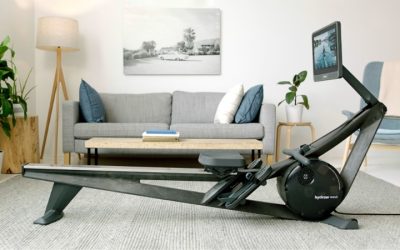
Best Gym Equipment for Full Body Workout: Upgrade an Existing SetupThe best gym equipment for full body workout plans may be an addition to equipment you already own, rather than another complete starter package. Begin... 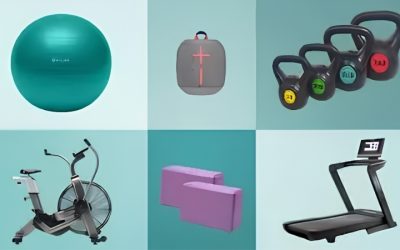
Best Workout Gym Equipment: Plan a Complete Home SetupBuying workout gym equipment is easier when you account for the complete setup rather than separate items. A machine may need plates, a rack attachment... 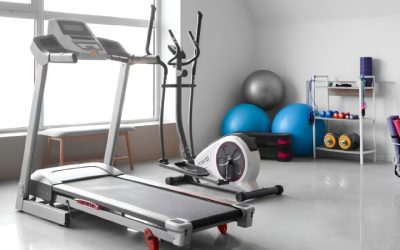
Best Workout Exercise Equipment: Walk Through a Complete SessionThe best workout exercise equipment for a shared home should pass a complete session walkthrough before you buy it. Imagine taking the item out,... 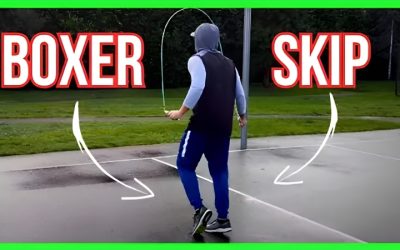
Best Boxer Jump Rope: Configuration, Sizing and Intended UseWhen looking for the best boxer jump rope, identify the exact product behind the name. Check whether an offer supplies a complete rope, an alternative... 
Best Boxing Jump Rope: Training Requirements and Equipment FitChoosing the best boxing jump rope begins with a practical description of the rope work you intend to do. Compare complete products against that... 
Best Beginner Jump Rope: Adjustment, Handling and SpaceChoosing the best beginner jump rope is easier when the first comparison is about setup. Can you identify the model, follow its length adjustment and... 
Best Workout Equipment for Glutes: Match Tools to ExercisesWhen buying workout equipment for glutes, start with the exercises you want to support rather than a list of accessories to collect. Different... |
|---|