
Key takeaways
- The best gym at home begins with a room decision, not a package of equipment. Decide whether the space can be dedicated to exercise, must change...
What's inside
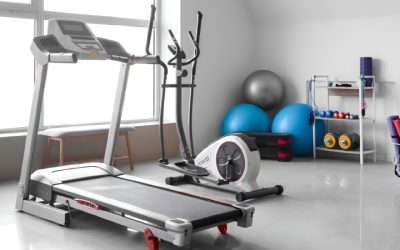
The best gym at home begins with a room decision, not a package of equipment. Decide whether the space can be dedicated to exercise, must change purpose every day or can support only a small permanent corner. Each arrangement can work for an appropriate routine, but the equipment brief should reflect the choice honestly.
This guide provides practical selection and use considerations. It does not report hands-on product testing.
Choose the room’s operating model
For a dedicated room, mark the area required by the exercises and equipment before filling its walls. For a shared room, list what has to move and where it goes. A compact exercise corner should have a realistic boundary rather than gradually absorbing access to nearby furniture.
Consider who uses the room and at what times. Simultaneous work, exercise or household traffic may create conflicts that equipment cannot solve. Establish a workable schedule or revise the location before committing to a permanent installation.
Set the activity brief before the shopping brief
Use the routine you intend to follow to identify equipment requirements. Get suitable instruction when the exercises or their appropriateness are uncertain. A home gym need not reproduce every station from a commercial facility, especially when those stations have no role in the current plan.
Distinguish an essential function from a preference for variety. If several tools could support an activity, choose the suitable format that fits the household arrangement. Buying every alternative can reduce the usable space without adding a necessary part of the routine.
Resolve the floor and installation questions early
Read the requirements for the actual equipment and its supports. Establish any relevant building or installation constraints before choosing a heavy collection or an anchored system. A floor covering can have a useful specified purpose, but it is not evidence that the underlying structure suits every setup.
Keep those questions separate from finishes. Choosing an attractive surface or matching storage does not settle load, fastening or clearance requirements. Where specialist information is needed, obtain it before ordering rather than planning to adapt the room around an unresolved issue.
Product listings to compare
As an Amazon Associate we earn from qualifying purchases at no extra cost to you. Product prices and availability are accurate as of the date shown and are subject to change. Compare the selected variant and its current description with the requirements above.
As an Amazon Associate we earn from qualifying purchases at no extra cost to you. Product prices and availability are accurate as of the date shown and are subject to change.




Reserve access for ordinary ownership
Include room for getting into position, changing settings and returning equipment. Check the parts that need access for inspection or service. A machine may look tidy against a wall while its instructions require working access elsewhere.
Plan a suitable waiting position for equipment between activities. Do not let the floor become temporary storage for every item in the session. If the same area must serve different roles, define the order of use so one configuration is cleared before another begins.
Make daily reset a designed process
In a shared room, follow the documented storage and handling procedures for each item. A folding feature may still require securing steps or moving several components. Understand the complete process before describing the setup as something that disappears after use.
Assign temporary positions for furniture as carefully as permanent equipment positions. A chair moved into a doorway has not created a usable exercise area; it has moved the obstruction. The reset plan should preserve ordinary access throughout the home.
Buy and arrange in stages
Check the delivery route before finalizing a large item. Include packaging dimensions where relevant and the documented assembly needs at the destination. A room can accommodate an assembled machine while the route into it cannot accommodate the proposed delivery arrangement.
Start with the items needed for the established routine and confirm that the room works with them in place. Leave later additions conditional on an actual need and suitable space. A staged approach allows a layout problem to be corrected before more equipment depends on it.
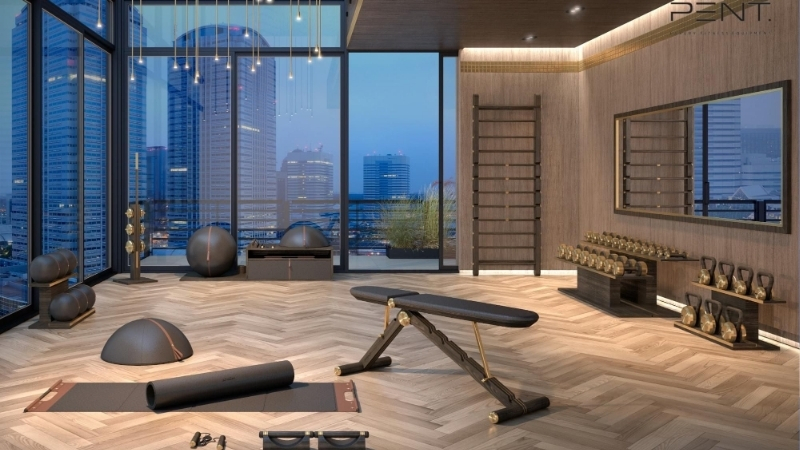
Only then choose decorative storage, lighting positions and other finishing details that support the practical arrangement. Keep care instructions and model records accessible rather than hiding them with discarded packaging. The best home gym is a room that serves its activities consistently, with equipment chosen for those activities and a layout that remains usable beyond a promotional photograph.
Additional product links
- Start 30-Day Prime Free Trial →
- See Today’s Amazon Deals
- ▸ Try Amazon Prime — free 30-day trial
- ▸ Start an Audible Premium Plus free trial
- ▸ Read free with Kindle Unlimited
Related reading
- Best gym at home
- Chris Parker
- Best Shoes for Jump Rope: 5 Picks for Concrete and Timber
- Best Shoe for Jump Rope: Forefoot Cushioning and Drop Guide
- Best Full Body Workout Equipment: 6 Machines vs Free Weights
- Best Gym Equipment for Full Body Workout: 5 Key Choices
- Best Workout Gym Equipment: 6 Heavy-Duty Picks for Home Use
- Best changeable dumbbells
- Best rated yoga mat
- Best mat yoga
- Best home gym equipmen
- Best fitness equipment for home gym
- Best Home Gym Setup: Floors, Ceilings, Noise and Layout
- Best Flooring for at Home Gym Budgets and Easy Installs
- Best Flooring Home Gym Owners Pick by Subfloor and Noise






Write Your Review
No reviews yet. Be the first to share your experience!