
Key takeaways
- The best bike exercise at home is a cycling session that matches your current ability and uses a correctly adjusted bike. Begin with manageable, steady...
What's inside
- Prepare the bike before riding
- Start with steady, manageable cycling
- Understand what changes when resistance changes
- Finish and record the useful details
- Choose a bike that supports the session
- Product listings to compare
- Make room for regular use
- Keep the priorities in order
- Additional product links
- Related reading
The best bike exercise at home is a cycling session that matches your current ability and uses a correctly adjusted bike. Begin with manageable, steady riding rather than an all-out challenge. The machine’s controls and your exercise plan should be understood before experimenting with resistance changes.
This guide provides practical selection and use considerations. It does not report hands-on product testing.
If you have a medical condition, symptoms or uncertainty about suitable activity, seek individual guidance. A general home-cycling guide is not a rehabilitation prescription. You can still compare equipment sensibly while keeping those personal questions separate from the shopping decision.
Prepare the bike before riding
Follow the exact model’s instructions for the seat, pedals and any other user adjustments. Check that settings are secured as required. Learn how to change resistance and stop the equipment before beginning, rather than searching for controls while already working hard.
Choose a setup you can maintain comfortably without reaching around furniture or a device. If the fit remains unclear, obtain help from an appropriately qualified instructor or the manufacturer. Do not force a position merely to match a promotional image.
Start with steady, manageable cycling
Allow an easier beginning before moving into the intended effort, and use a workload suitable for you. The NHS describes moderate activity as an effort at which talking remains possible but singing is difficult. This is a general guide to effort, not a target that overrides individual medical advice.
Keep the ride controlled and avoid turning every session into a maximum-resistance test. If you cannot manage the intended effort comfortably or develop concerning symptoms, stop and seek appropriate advice. Do not use a console score as a reason to ignore how you feel.
Understand what changes when resistance changes
Resistance settings are specific to the machine. A number on one bike should not be assumed equivalent to the same number on another. Use the bike’s instructions and a suitable program rather than copying settings from an unrelated demonstration.
Before trying intervals, understand the basic steady session and how changes will be controlled. Intervals are optional, not a requirement for a useful ride. Get guidance on an appropriate progression instead of inventing a demanding sequence from a list of resistance levels.
Finish and record the useful details
Allow an easier finish appropriate to your program and follow the equipment’s stopping instructions. Record the session duration, settings and perceived effort if that helps you understand your routine. Keep comparisons within the same setup rather than treating every machine’s display as interchangeable.
Use the record to notice questions, not to promise a specific outcome. Calories, distance or other console estimates should not become a personalized guarantee about fitness or weight change. A consistent routine needs to fit the person as well as the equipment.
Choose a bike that supports the session
Compare riding position, adjustment range and accessible controls first. Entertainment and connected features come afterward. Check which functions require a subscription or another device, and decide whether they genuinely support your intended use.
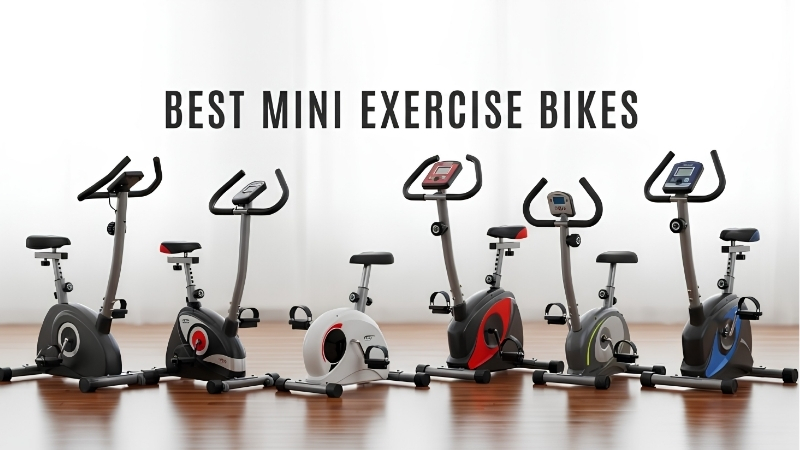
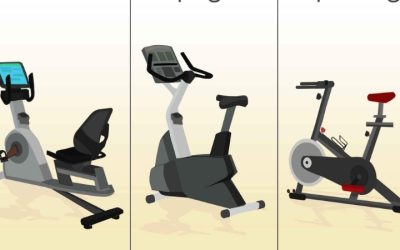
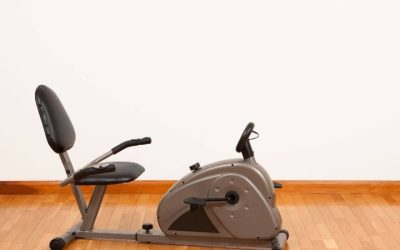
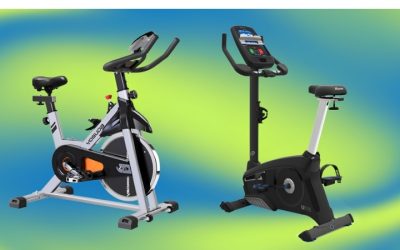
An upright and a recumbent design offer different arrangements. Assess the exact model rather than treating either category as universally preferable. The useful machine is the one whose documented setup and operation work for the intended user.
Product listings to compare
As an Amazon Associate we earn from qualifying purchases at no extra cost to you. Product prices and availability are accurate as of the date shown and are subject to change. Compare the selected variant and its current description with the requirements above.
As an Amazon Associate we earn from qualifying purchases at no extra cost to you. Product prices and availability are accurate as of the date shown and are subject to change.


Make room for regular use
Position the bike with its required operating space clear of furniture, doors and loose objects. Check the floor and any protective layer against placement guidance. If it needs power, follow installation instructions rather than improvising a connection around the room’s layout.
Keep access for cleaning and adjustment. A location that is convenient only when other furniture is moved may make the routine harder to maintain. Plan the furnished room around a repeatable setup.
Keep the priorities in order
- Establish a suitable bike setup.
- Use a manageable session appropriate to your circumstances.
- Learn controls before adding complexity.
- Keep the room clear and maintain the equipment as directed.
- Seek help with symptoms, fit or progression questions.
A good home bike session is defined by appropriate effort and controlled use, not by the most dramatic program name or the highest number on a display.
Additional product links
- Start 30-Day Prime Free Trial →
- See Today’s Amazon Deals
- ▸ Try Amazon Prime — free 30-day trial
- ▸ Start an Audible Premium Plus free trial
- ▸ Read free with Kindle Unlimited
Related reading
- Best bike exercise
- Chris Parker
- Best Exercise Bike Workout for Weight Loss: 5 Bike Setups
- Best Exercise Bike for Weight Loss: 5 Consoles Compared
- Exercise Bike Best for Losing Weight: 5 Models Compared
- Best Bike Exercise to Lose Weight: 6 Frame Styles Compared
- Best Exercise Bike for Fat Loss: 5 Picks by Flywheel Weight
- Hot yoga mat best
- Best dumbbells exercises
- Best workout dumbbells
- Best back exercises using dumbbells
- Best exercise upright bike
- Best exercise stationary bike
- Best Home Exercise Bike: 6 Picks for Small Flats and Noise
- Best Home Exercise Bike Recumbent: 6 Picks for Small Rooms
- Best Exercise Bike Home Gym Owners Can Fit Around Weights
- Best Exercise Bike on a Budget: 6 Picks and Total Costs
- Best Cheap Exercise Bike: 6 Picks and Their Hidden Costs
- Best Affordable Exercise Bike: 6 Picks by Flywheel Weight
- Best Exercise Bike at Home: 6 Picks Ranked by Noise Level


Write Your Review
No reviews yet. Be the first to share your experience!