Key takeaways
- Measure the mounting area: Check ceiling clearance, roof-vent dimensions, nearby cabinets, and the swing of doors before choosing a fan diameter or vent assembly.
- Match the power system: Confirm that the unit is designed for your RV’s 12V circuit and account for wiring, fuse capacity, and any stated voltage limits.
- Prioritize useful airflow: Multiple speeds, reversible direction, and a roof vent’s exhaust function are often more valuable than maximum blade size in a confined interior.
- Evaluate the light: Look for adjustable brightness or color settings if the fan is your main ceiling fixture; a small bunk light is better suited to localized illumination.
- Plan for weather exposure: Roof-mounted fans should have a rain sensor, protective cover, or compatible vent lid, especially if you regularly camp in changing conditions.
What's inside
In a compact RV, a ceiling fan has to do more than move air. It must fit around cabinets, roof hardware, bunk areas, and limited 12-volt capacity without creating an awkward visual obstruction. The wrong model can also add motor noise, consume valuable headroom, or leave you with a bright light but poor ventilation.
This guide compares the best 12V RV ceiling fan and light options for 2026, focusing on practical differences that matter in small spaces: mounting depth, airflow control, noise, lighting, vent compatibility, and installation flexibility. Some picks are true ceiling fans, while others combine a roof vent or bunk light with ventilation for a more targeted solution.
As an Amazon Associate we earn from qualifying purchases.


How to Choose a 12v Rv Ceiling Fan With Light (2026)
- Measure the mounting area: Check ceiling clearance, roof-vent dimensions, nearby cabinets, and the swing of doors before choosing a fan diameter or vent assembly.
- Match the power system: Confirm that the unit is designed for your RV’s 12V circuit and account for wiring, fuse capacity, and any stated voltage limits.
- Prioritize useful airflow: Multiple speeds, reversible direction, and a roof vent’s exhaust function are often more valuable than maximum blade size in a confined interior.
- Evaluate the light: Look for adjustable brightness or color settings if the fan is your main ceiling fixture; a small bunk light is better suited to localized illumination.
- Plan for weather exposure: Roof-mounted fans should have a rain sensor, protective cover, or compatible vent lid, especially if you regularly camp in changing conditions.
The Best 12v Rv Ceiling Fan With Light (2026)s Reviewed
Best Full-Size Airflow: 42-Inch DC 12V RV Ceiling Fan
This flush-mount black ceiling fan is a sensible choice for an RV bedroom, lounge, or other area with enough overhead clearance for a broader blade span. Its low-profile design and noiseless positioning are especially appealing where a conventional household fan would feel oversized, although buyers should verify that the product’s light requirements match their room plan.
Best Smart Roof Vent: Upgraded Remote-Control RV Roof Vent Fan
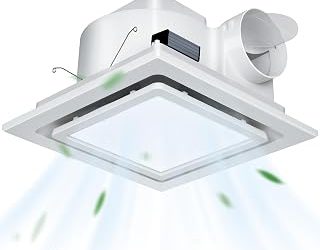
The 14-inch vent fan combines 10-speed control, reversible airflow, a remote, and a rain sensor in a compact roof opening. That combination makes it a strong option for cooking odors, shower humidity, and warm sleeping areas, while the shallow vent footprint keeps the ceiling visually tidy.
Best Ambient Lighting: 14×14 RV Roof Vent Fan With LED Ambiance Light
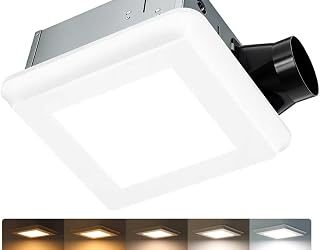
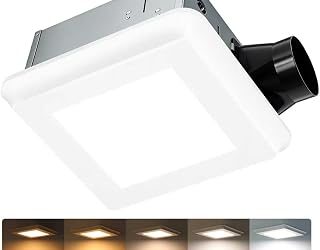
Four LED color options give this reversible 12V vent fan more flexibility than a basic white dome, particularly for evening use in a small cabin. Its remote, rain sensor, and ultra-quiet operation add convenience, but confirm the 12V system is appropriate because the listing notes a maximum of 24V.
Best Bunk-Space Solution: Lumitronics RV 12V LED Bunk Light and Fan
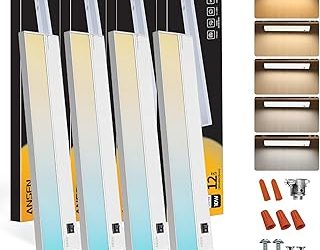
For a bunk, reading nook, or narrow sleeping compartment, this compact combination is often more practical than a full ceiling fan. The two-speed quiet motor, low-draw LEDs, on/off switch, and removable lens provide task lighting and gentle air movement without sacrificing headroom.
Best Touch-Control Vent: 14-Inch RV Roof Vent Fan With LED Light
This deluxe 14-inch model pairs a white manual dome with four-speed reversible ventilation, LED lighting, and touch controls. It is a good fit for owners who want a straightforward roof-vent replacement with lighting built in, though its manual dome may be less convenient than a fully automatic rain-sensing design.
Frequently Asked Questions
Is a 12V RV ceiling fan better than a standard household fan?
Usually, yes, when the RV runs primarily from a 12V electrical system. A purpose-built model avoids relying on an inverter and is generally easier to integrate with the vehicle’s existing wiring, but installation still requires correct polarity, fuse protection, and adequate circuit capacity.
Do RV roof vent fans work as ceiling lights?
Some do. Models with integrated LEDs can provide useful general illumination, while others are designed mainly for ventilation. Check whether the light is bright enough for your space and whether its controls operate independently from the fan.
Can a roof vent fan run during rain?
A rain sensor can help by switching the fan off when moisture is detected, but it is not a substitute for proper weather protection. Keep the roof seal, lid, and surrounding trim in good condition, and follow the manufacturer’s guidance for wet-weather use.
What size fan is best for a small RV?
There is no universal size. A 14-inch roof vent is often ideal for targeted exhaust, while a 30- or 42-inch low-profile ceiling fan can circulate air more gently across a larger bedroom or living area. Measure first rather than choosing by diameter alone.
Final Thoughts
For broad, quiet circulation, the 42-Inch DC 12V RV Ceiling Fan is the most room-oriented pick. The Upgraded Remote-Control RV Roof Vent Fan stands out for serious ventilation and weather-aware controls, while the Lumitronics Bunk Light and Fan is the smart space-saving choice for compact sleeping areas.