Key takeaways
- Families with kids: machine-washable cotton with strong backing.
- Cold-floor bathrooms: plush chenille or memory foam.
- Humid bathrooms: bamboo or stone for faster drying.
- Rental owners: simple, replaceable cotton mats.
- Minimalists: a single woven or stone mat that wipes clean.
The best bath mat is absorbent, grips the floor, and dries quickly enough to avoid mildew. Cotton and chenille mats feel soft underfoot, memory foam adds cushioning, and woven or bamboo slats suit people who want fast drying.
Safety Comes First
A wet bathroom floor is a slipping risk, so the mat’s backing matters more than its looks. Look for a non-slip underside, such as rubber dots or a latex-style backing, and check the care instructions because some backings should not go in a hot dryer. If anyone in the household is elderly or has mobility concerns, place the mat flat, avoid curling edges, and consider a dedicated non-slip shower mat in the tub as well.
Material Overview
| Material | Feel | Dry speed | Maintenance |
|---|---|---|---|
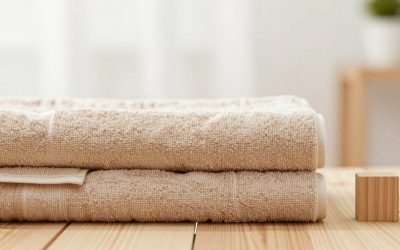
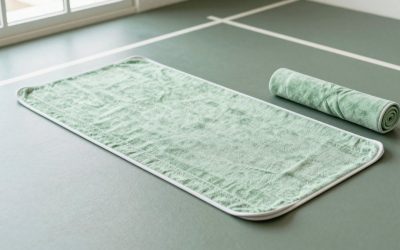
| Cotton terry or tufted cotton | Soft, absorbent | Moderate | Machine washable |
| Microfiber chenille | Plush | Moderate to fast | Wash gently, avoid high heat |
| Memory foam | Cushioned | Slow | Check label before washing |
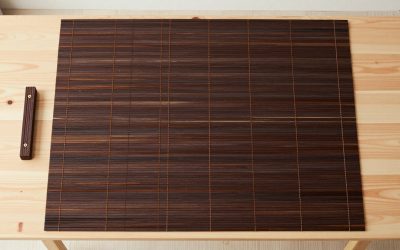
| Bamboo slats or wood | Firm, spa-style | Fast | Wipe clean, needs air flow |
| Diatomite stone | Hard, mineral | Very fast | Clean occasionally with fine sandpaper per maker |
Sizing and Placement
Measure the space in front of the tub or sink and choose a mat that fits without overlapping the toilet or door. A runner works for a long vanity, while a square mat suits a small bathroom. A mat that is too small will bunch up, and one that is too large can curl at the edges. Matching the mat color to towels gives a coordinated look, but a slightly different tone can also look intentional.
Browse a few absorbent non slip bath mats and compare the dimensions.
Who Each Type Suits
- Families with kids: machine-washable cotton with strong backing.
- Cold-floor bathrooms: plush chenille or memory foam.
- Humid bathrooms: bamboo or stone for faster drying.
- Rental owners: simple, replaceable cotton mats.
- Minimalists: a single woven or stone mat that wipes clean.
Care and Maintenance
Hang the mat to dry after each shower rather than leaving it flat on the floor, since trapped moisture encourages mildew. Wash fabric mats regularly in warm water, following the care label. Do not use fabric softener, which can reduce absorbency. Air dry rubber-backed mats when possible, or tumble on low if the label permits, because heat can crack the backing. Shake out hair and lint before washing. For stone or bamboo, wipe with a damp cloth and let it dry.
Replace a mat when the backing begins to crumble or when it no longer lies flat.
Common Mistakes
- Choosing looks over a grippy backing.
- Leaving the mat wet on the floor overnight.
- Putting a rubber-backed mat in a hot dryer.
- Buying a mat that is too small for the space.
- Ignoring floor condition; a mat on a wet floor can still slide.
Pairing With Other Bathroom Textiles
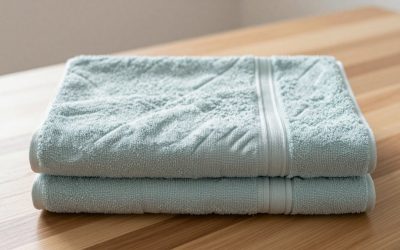
A mat does not need to match your towels exactly, but similar textures help the room feel put together. A tufted cotton mat pairs well with terry towels, while a woven mat suits waffle or linen towels. If you are redoing the room, buy the mat and towels together to avoid dye lot mismatches. A non slip shower mat and a bathroom rug runner round out the floor setup.
Frequently Asked Questions
How often should I wash a bath mat?
Weekly is a common routine, or more often in busy bathrooms.
Is memory foam hard to keep clean?
It can be, because it dries slowly. Follow the care label and hang it to dry fully.
Why does my mat slide?
The backing may be worn or the floor may be wet. Replace the mat or add a rug pad made for bathrooms.
Can I use a bath mat in a shower?
Only use mats designed for that, since standard cotton mats will become saturated.