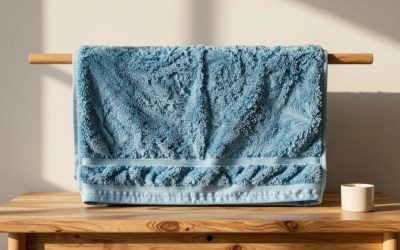
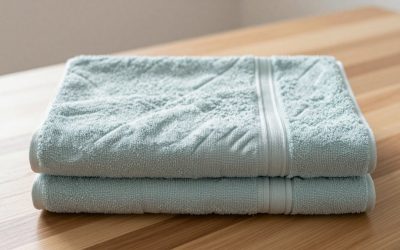
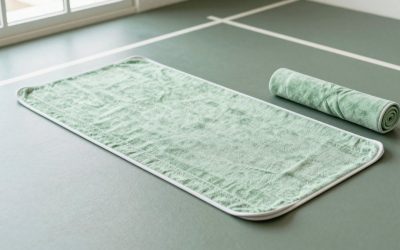
The best detergent for towels cleans thoroughly without leaving residue that makes them stiff or less absorbent. Choose a liquid or powder suited to your water and machine, use the recommended amount, and skip fabric softener.
Why Towels Are Tricky to Wash
Towels live in damp environments and collect body oils, skin cells, and product residue. Over time, detergent and softener buildup can coat fibers, leaving towels stiff, dingy, or smelly. Many people respond by adding more detergent, which usually makes things worse. A better approach is using the right amount, rinsing well, and occasionally doing a reset wash to strip residue.
Detergent Formats Compared
| Format | Cleaning approach | Residue risk | Best for |
|---|---|---|---|
| Liquid detergent | Dissolves easily in most water temperatures | Moderate if overdosed | Everyday loads |
| Powder detergent | Strong on mineral and body soil | Can leave residue in cold water | Hot washes, heavy soil |
| Pods or sheets | Pre-measured, convenient | Low if used correctly | Simple routines |
| Sports or odor-fighting detergent | Targets sweat and oils | Varies | Gym and workout towels |
| Fragrance-free or sensitive-skin detergent | Cleans without added scent | Low | Baby towels and sensitive users |
What to Look For
- A formula suited to your washing machine type (HE or standard).
- Effective on body oils and odors.
- Clear dosing instructions for different load sizes.
- Fragrance options that match your tolerance.
- Compatibility with your water hardness.
Match the Detergent to the Problem
If towels smell musty, they may be drying too slowly or carrying residue, and a stronger odor-fighting formula could help. If towels feel stiff, you may be using too much product or softener. Gym towels with sweat odor often benefit from sports-targeted formulas. Homes with sensitive skin might stick with free-and-clear options. Always follow the care label on the towel itself.
Take a look at laundry detergent for towels if odor is your main concern.
Washing Routine That Works
- Wash towels apart from clothing to avoid lint and friction.
- Use the recommended detergent amount, not extra.
- Choose warm or hot water as the label allows.
- Add an extra rinse if your water is hard or you see suds.
- Dry fully on medium heat or in the sun.
Every month or two, run a reset wash: hot water, a little detergent, and a cup of white vinegar or an oxygen booster, depending on the label. This helps strip buildup and refresh absorbency.
Who Each Type Suits
Busy households may like pods for speed. People with high-efficiency machines should choose HE-labeled products. Anyone with sensitive skin or babies in the house tends to prefer fragrance-free options. Gym-goers can lean on sports detergents. Large families going through towels daily might use powder or bulk liquid for cost.
Common Mistakes
- Using more detergent than recommended.
- Adding fabric softener or dryer sheets.
- Overloading the machine so towels cannot rinse.
- Leaving damp towels in the machine.
- Mixing towels with lint-shedding fabrics.
An oxygen bleach booster and a pack of wool dryer balls are popular add-ons that help towels dry faster without softener.
Frequently Asked Questions
Why do my towels still smell after washing?
Residue, slow drying, or too-full loads often cause odor. Use less detergent and dry towels completely.
Can I use vinegar every wash?
Occasional use is common, but check your machine manual first, since some manufacturers advise caution.
Is fragrance-free better?
It is not necessarily better, but it is a good choice for sensitive skin or if you dislike strong scents.
Should I use hot water?
Hot water cleans well if the towel label allows it. Warm water works for colors that may bleed.