Our Top Picks
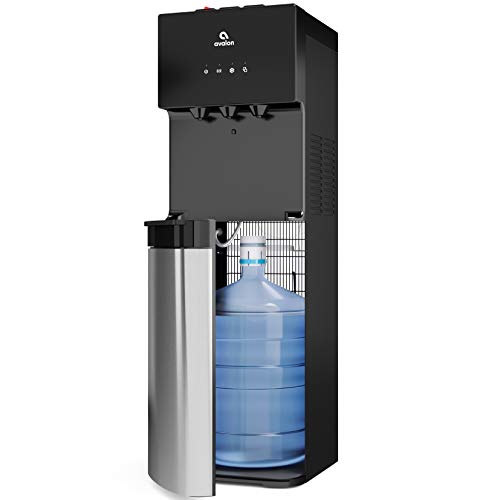 Avalon A4BLWTRCLR Bottom Loading Water Cooler Water Dispenser3 or 5 gallon bottle13 x 12 x 41 inches38.1 PoundsCheck on Amazon
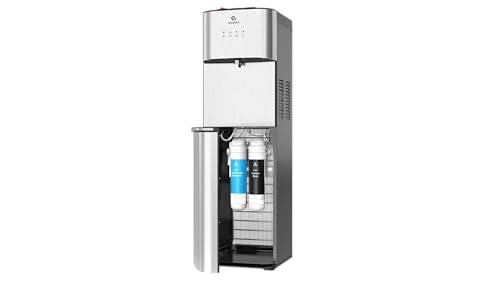 Avalon Self Cleaning Bottleless Water Cooler Water Dispenserfull size14 x 12 x 41 Inches44 poundsCheck on Amazon
For most small offices and home offices, a bottom-load cooler with hot and cold taps is the easiest all-round choice, a countertop model suits a desk or break-room shelf, and a plumbed-in point-of-use cooler suits teams that do not want to handle heavy bottles. This guide explains how each type works, what to check before buying, and which buyer each suits. It names product types rather than promising specific model numbers, because makers update their lines often; confirm the current specs on the maker’s own page before ordering.
At a Glance: Office Water Cooler Types
| Type | How it is supplied | Best for | Typical limits |
|---|---|---|---|
| Top-load freestanding | Inverted 3 or 5 gallon bottle on top | Lowest-cost setup, small teams | Lifting a heavy bottle overhead; spill risk |
| Bottom-load freestanding | Bottle sits in a cabinet below | Offices with shared use, anyone avoiding lifting | Larger footprint; cabinet must fit bottle |
| Countertop | Small bottle or reservoir | Desks, small spaces | Smaller capacity; limited cooling and heating volume |
| Point-of-use (bottleless) | Connected to the water line | Larger teams, no storage for bottles | Needs plumbing and often a nearby outlet; installation work |
| Filtered pitcher-style dispenser | Refill by hand | Very small spaces, no hot water needed | Frequent refilling; not a true cooler |
Choose by Office Size
As a rough guide, one cooler can serve a handful of people at a home office or small studio, while a team of ten or more often benefits from a bottomless point-of-use unit or two machines. Makers publish cooling and heating capacity figures, usually in gallons or liters per hour, so compare those figures against how many cups people drink at peak times such as after lunch. If a unit’s stated hot-water reservoir is small, expect a wait between refills during busy periods.

Tehanld Bottom Loading Water Cooler Dispenser,Lustrous Black | 5 Gallon Bottles, Stainless Steel, 3 Temperature - Hot, Cold & Room, Child Safety Lock, Ideal for Home and Office
Chosen because it specifies Lustrous Black and 5 Gallon Bottles.
View on AmazonAvalon A4BLWTRCLR Bottom Loading Water Cooler Water Dispenser - 3 Temperature Settings - Hot, Cold & Room Water, Durable Stainless Steel Cabinet, Bottom Loading - UL/Energy Star Approved
Chosen because it specifies 3 Temperature Settings and Hot.
View on Amazon
Brio Bottom Loading Water Cooler Dispenser for 5 Gallon Bottles, Stainless Steel
Chosen because it specifies Stainless Steel.
View on AmazonAvalon Self Cleaning Bottleless Water Cooler Water Dispenser - 3 Temperature Settings - Hot, Cold & Room Water, Durable Stainless Steel Cabinet, NSF Certified Filter- UL Listed
Chosen because it specifies 3 Temperature Settings and Hot.
View on AmazonFreestanding Bottle-Fed Models
These remain the most familiar option. Top-load models are generally the lowest-cost, and they require lifting a full bottle, which weighs a lot, over your head. Bottom-load models hide the bottle in a lower compartment, which is easier on backs and looks tidier in a reception area. When comparing, check:
- Bottle size: Most take the standard 3 or 5 gallon bottle, but confirm what the maker lists.
- Compartment clearance: The bottle compartment must fit the bottle height your supplier delivers.
- Hot and cold controls: Look for a stated cold-water cooling method and an independent switch for the hot tank.
- Child safety: Hot taps often have a lock or push-and-turn mechanism. The maker should describe this on its product page.
- Cabinet finish: Stainless steel and powder-coated steel are common, and both wipe clean easily.
Countertop Models
Countertop coolers are compact and often cost less. They are a good fit for desks, kitchenettes, and tight break rooms. The trade-off is that they hold less water and usually cool and heat smaller volumes. If you will serve more than a few people, a countertop may need refilling constantly.
Point-of-Use Bottleless Coolers
These connect to a cold water line and often filter water before dispensing. They remove bottle storage, delivery, and lifting. They do require a water supply, a drain or drip-tray arrangement in some cases, and electrical power. Many leasing arrangements include installation and filter changes, but a rental agreement may lock you into service terms, so read the contract. If your office is leased, check with the landlord before connecting anything to plumbing.
Filtration and Water Quality
Bottled water is typically supplied filtered by the vendor. Point-of-use units rely on built-in filters, and the maker usually states the change interval. Follow the maker’s schedule, because an overdue filter can reduce water flow and may affect taste. For questions about contaminants or safe drinking water, check local water-quality reports or ask a qualified water professional; a cooler is not a medical device and makers should not be assumed to remove every substance. Look for third-party certification marks only where the maker states them.
Cleaning, Care, and Safety
- Sanitize the reservoir and spigots on the schedule in the manual. Many makers describe periodic cleaning with a mild solution approved in their instructions.
- Unplug before cleaning, and let hot tanks cool.
- Place the unit on a level surface with clearance at the back for ventilation, as the manual states.
- Keep hot-water taps locked where children or visitors may use the area.
- Do not use extension cords unless the manual allows it. If you are unsure about circuit capacity, consult an electrician.
- Replace cracked or damaged bottles and keep them out of direct sunlight.
Energy Use and Running Cost
Coolers with hot tanks draw power continuously, and some offer an energy-saving mode or a switch to turn off heating. Look for the maker’s stated power consumption, and for energy certification marks if the maker lists one. Turning off the hot function overnight, if the model allows it, is a simple way to cut use.
Budget Tiers
- Budget: Basic top-load or countertop units with cold and room-temperature water, sometimes hot.
- Mid-range: Bottom-load models with hot and cold taps, stainless or coated finishes, and safety locks.
- Premium: Point-of-use units with built-in filtration, higher capacity, and sometimes sparkling or additional temperature options.
Pick X If… Decision Table
| If you… | Pick | Why |
|---|---|---|
| Have a small home office and limited room | Countertop cooler | Compact and affordable |
| Have a team of several people and want easy loading | Bottom-load freestanding | No heavy overhead lift |
| Want the cheapest bottle-fed setup | Top-load freestanding | Lowest entry cost |
| Have a larger team and a water line | Point-of-use cooler | No bottles to store or lift |
| Rent your space | Bottle-fed or countertop | No plumbing changes needed |
| Need only cold filtered water | Filtered dispenser or pitcher | Simple, no electrical heating |
Alternatives
Water-line filtration on the sink tap
An under-sink or faucet-mounted filter gives filtered water without a separate machine, and suits very small teams.
Insulated beverage dispenser
For meetings, a countertop insulated dispenser keeps water cold or hot for a short time and is easy to refill, though it is not a true cooler.
Refrigerator water dispenser
If the office kitchen has a fridge with a built-in dispenser, it may be enough for a very small group.
Fit and Compatibility Checklist
- Measure the available floor or counter space, including a few inches of ventilation clearance.
- Check door and corridor width if you are moving a freestanding unit.
- Confirm the bottle size your supplier uses and that it fits the compartment.
- For point-of-use, confirm the water line, shutoff valve, and outlet location before ordering.
- Check floor loading for a fully loaded bottle unit if the office is on an upper floor of an older building.
Questions to Ask Before You Commit
- Who will maintain it? Someone has to change bottles or filters and clean the unit. If no one is assigned, a point-of-use unit with a service plan may be more reliable than a bottle-fed model.
- Where will it sit? Keep it near an outlet, away from direct sun and heat sources, and clear of walkways to avoid trip hazards and spills.
- What about accessibility? Check the tap height and whether the controls are easy to operate for shorter staff or wheelchair users.
- Do you need hot water? A hot tank draws power and adds a burn risk. A cold-only or room-temperature unit may be enough.
- How will you handle spills? Drip trays should be removable and easy to empty.
Delivery, Leasing, and Ownership
Bottle-fed units depend on a delivery service. Compare how often you will need refills, how bottles are stored, and whether the vendor requires a contract. Owning a cooler outright gives you flexibility to change suppliers, while leasing can include maintenance. Read any contract for minimum terms, delivery fees, and cancellation conditions.
Hygiene in Shared Spaces
Shared taps are touched by many hands. Wipe the spigots and drip tray regularly and post the cleaning schedule so the task is visible. Anyone with a health concern about drinking water should ask a doctor rather than rely on a product description.
Frequently Asked Questions
Which is better for an office, bottom-load or top-load?
Bottom-load is more convenient because you do not lift the bottle overhead. Top-load usually costs less and is fine if one person can handle the swaps. Pick based on who will change bottles and how often.
How many people can one water cooler serve?
That depends on the unit’s stated cooling and heating capacity and on how people use it. A small cooler handles a few people, while a busy team may need a larger unit or two machines.
Do water coolers need to be plumbed in?
Only point-of-use models do. Bottle-fed and countertop models run on a bottle and a standard electrical outlet. Plumbed units need a water line and sometimes professional installation.
How often should I clean an office water cooler?
Follow the maker’s manual, which commonly recommends regular sanitizing of the reservoir and spigots plus filter changes on a stated schedule. Clean sooner if you notice odor, slime, or changes in taste.
Is hot water from a cooler safe for children?
Hot taps can cause scalds. Use the child-safety lock described by the maker and keep the hot tap out of reach of young children. Never leave a child unsupervised at the unit.
Can I leave a cooler running overnight?
Many people do, though some models let you switch off the hot or cold function to save energy. Follow the manual, and unplug the unit if it will be unused for a long time or if you see any electrical fault.