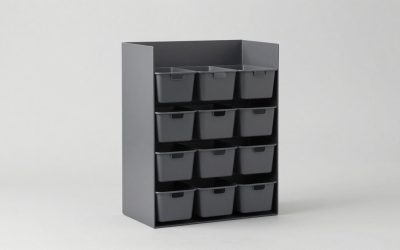
Our Top Picks
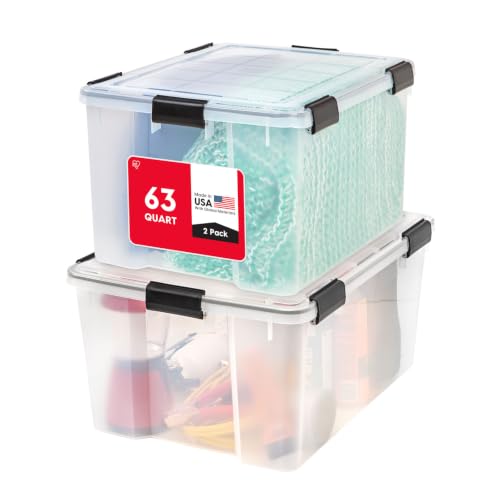 IRIS USA WeatherPro 63 Qt Storage Bins with63 Qt23.6 x 17.75 x 11.88 inches4.75 PoundsCheck on Amazon
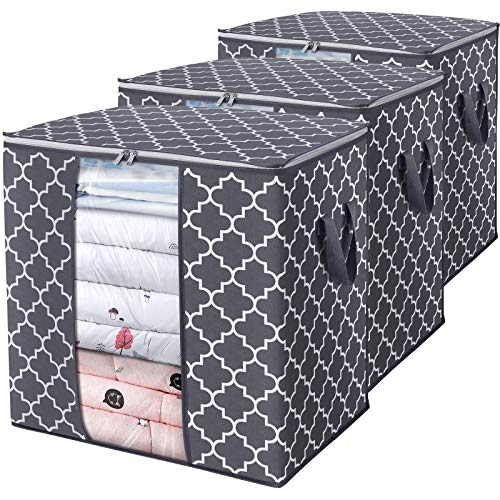 Storage Bags 3 Pack 100L Clothes Organization and3 x 100L20.5 x 20.5 x 14.6 inches0 poundsCheck on Amazon
 TasticTotes 6 Pack Clear Storage Bags for Comforter40L18.11 x 9.06 x 14.96 inches1.7 poundsCheck on Amazon
Bedding takes up more room than it should. A single comforter can compress down to a shoebox under vacuum, or sprawl across a shelf and eat half your closet if you leave it in its original packaging. The right container depends less on brand and more on where you’re storing it, how often you need access, and whether moths or moisture are a realistic threat in that space. Here’s what actually works, and what’s a waste of money.
Updated October 2026 — The best storage containers for bedding depend on where the bedding goes: a gasket-sealed tote such as the IRIS USA WeatherPro 63 Qt for basements and garages, a breathable canvas bag such as the VeraMia Soft Canvas Comforter Bags for down comforters in a closet, and low-profile boxes such as the StorageWorks 6 Inch containers for under the bed.
Three rules cover most homes: wash and fully dry bedding first, never keep down or feather comforters vacuum-compressed or sealed in plastic for long periods, and choose sealed plastic only where moisture or pests are a real risk. For king comforters, plan on 100 to 120 liters of bag space per comforter.
Our Top Picks at a Glance
If you already know where your bedding is going, start here. Each pick is covered in detail further down, along with who should skip it.
| Pick | Type | Best for | Typical price range |
|---|---|---|---|
| IRIS USA WeatherPro 63 Qt Storage Bins | Gasket-sealed plastic tote | Basements, garages, attics | Varies |
| Sterilite 12 Gallon Latch Totes | Latching plastic tote | Stacked linen closet shelves | Varies |
| VeraMia Soft Canvas Comforter Bags | Breathable canvas bag | Down and down-alternative comforters | Varies |
| Fab totes Storage Bags with Lids | Fabric bins | Budget closet organization | Varies |
| WISELIFE 100L Storage Bags | Large fabric bags | King comforters on a budget | Varies |
| TasticTotes Clear Storage Bags, 40L | Clear-panel fabric bags | Sheets and blankets you want to see at a glance | Varies |
| Cozy Essential XXL Jumbo Vacuum Bags | Vacuum bags with hand pump | Maximum space savings | Varies |
| SpaceAid Jumbo Vacuum Bags | Vacuum bags | Occasional compression on a budget | Varies |
| Lifewit 95L Under Bed Storage | Fabric under-bed bags | Under-bed blankets and spare duvets | Varies |
| StorageWorks 6 Inch Low Profile Containers | Low-profile under-bed boxes | Beds with tight clearance | Varies |
| Tsinglax Under Bed Storage with Wheels | Rolling under-bed bins | Bedding you pull out every season | Varies |
| Cedar Space Cedar Blocks | Moth-deterrent accessory | Wool and natural-fiber bedding | Varies |
Storing a down comforter? Read this first. Down clusters need air to keep their loft. The safest long-term setup is a clean, completely dry comforter in a breathable cotton or canvas bag, kept in a closet or under a bed in a climate-controlled room.
- Avoid vacuum bags for more than a few months; long compression can flatten clusters permanently.
- Avoid airtight plastic for long periods unless the space is damp; if you must use a sealed tote, add silica gel and air the comforter out every few months.
- Give it room: a king down comforter needs about a 100 to 120 liter bag, not a tight bin.
- After storage, shake it out and let it air for a few hours before use.
Fabric Bins vs. Plastic Bins vs. Vacuum Bags
These are the three real options, and each one solves a different problem.
Fabric or canvas storage bins are the right call for closet shelves you look at every day. They breathe, so bedding doesn’t develop that musty closed-up smell, and they look fine sitting out if your closet is open or your shelving is visible. The trade-off is zero protection from water and only partial protection from bugs. If a pipe leaks above the shelf, the bin won’t save you.
Rigid plastic totes are the better choice for basements, garages, attics, and anywhere there’s a real chance of moisture or pests. A tote with a gasketed, latching lid keeps out dust, most insects, and splashback from a minor leak. It won’t survive sitting in standing water, but it buys you time. The downside is bulk — a 70-quart tote full of a king comforter and pillows takes up real floor space, and stacking more than two or three gets risky because the plastic flexes.
Vacuum storage bags are the volume solution. They can shrink a bulky comforter down by 60-80%, which matters if you’re storing off-season bedding in a cedar chest or under a bed with limited clearance. The catch is durability — cheap bags lose their seal within months, and down or feather-filled items can lose loft permanently if compressed too long. Vacuum bags are a space-saving tool, not a long-term protective container. Six months is a reasonable ceiling before you let the item re-expand.
Quick Comparison
| Container Type | Best For | Protects Against | Weak Point | Typical Cost |
|---|---|---|---|---|
| Fabric/canvas bins | Closet shelves, visible storage | Dust, light | Water, chewing pests | Varies |
| Rigid plastic totes | Basement, garage, attic | Dust, minor moisture, most insects | Standing water, UV if left outdoors | Varies |
| Vacuum storage bags | Space-constrained closets, under-bed | Dust, some moisture | Puncture, long-term loft loss | Varies |
| Under-bed bins (low-profile plastic) | Bedrooms with bed clearance | Dust, pests | Limited height for bulky comforters | Varies |
The Best Storage Containers for Bedding in 2026
The picks below are grouped the same way as the comparison above: sealed plastic for risky spaces, breathable fabric for closets, vacuum bags for squeezing space, and low-profile options for under the bed. Each one is chosen for a specific job rather than as an all-purpose winner, because no single container handles every space well.
IRIS USA WeatherPro 63 Qt Storage Bins — Best for Basements and Garages
IRIS USA WeatherPro 63 Qt Storage Bins with Lids, 2 Pack, Clear/Black
One of the home product options compared in this guide.
View on AmazonIf your bedding lives anywhere with real moisture or pest risk, this is the type of container to buy. The WeatherPro line uses a gasket-sealed lid with latching buckles, which keeps out dust, most insects and humid air far better than a standard snap-on lid. At 63 quarts, each bin is large enough for a folded queen comforter or a stack of blankets, while staying in the medium size range that is still practical to lift onto a shelf.
The clear body lets you see what is inside without opening it, which matters in a garage where you want to keep the seal closed as long as possible. Add a silica gel packet to each bin, and avoid storing bedding that is even slightly damp, since a good seal will trap moisture in as effectively as it keeps it out.
Pros
- Gasket seal and latching buckles for dust, insects and humidity
- Comforter-friendly 63-quart size without being too heavy to lift
- Clear body for easy identification
Cons
- Bulky on the floor or shelf
- Bedding must be completely dry before sealing
Sterilite 12 Gallon Latch Totes — Best for Stacked Linen Closet Shelves

Sterilite Latch Tote Storage with Lids for Home & Office, 12 Gallon, 6-Pack | Heavy-Duty and Stackable Plastic Containers with Latches for Closet, Cabinet, Bedroom, Bathroom and Dorm Room Organization
One of the home product options compared in this guide.
View on AmazonA six-pack of matching 12-gallon latch totes is the easiest way to give a linen closet the uniform, labeled look that makes bedding easy to find. Twelve gallons is about 48 quarts, which comfortably holds a couple of sheet sets, a twin or full comforter, or a pile of throws. The latching lid keeps dust out and stays closed when the tote is stacked or carried, though it is not a gasket seal, so these belong indoors rather than in a damp basement.
Matching sizes are the real advantage here. As the guide notes below, a set of identical bins keeps shelves organized far better than a mix of whatever totes you already own. Label each one by bed size or room and you will never unfold three fitted sheets to find the right one again.
Pros
- Six matching totes for a uniform closet system
- Latching lids stay closed when stacked
- Medium size keeps each tote light enough to lift
Cons
- No gasket seal, so not ideal for damp spaces
- Bulky down comforters may need a larger bin
VeraMia Soft Canvas Comforter Bags — Best for Down Comforters

Soft Canvas Storage Bags with Zipper. Thick Breathable, 2pc King/Queen Comforter Organizer. Four Carrying Handles and Window. Large 25x19x9in Bag for Sheets Blankets Bedding Pillows, Clothes
One of the comforter options compared in this guide.
View on AmazonDown and down-alternative comforters keep their loft best when they can breathe, and that is exactly what thick canvas does. This two-pack is listed for king and queen comforters, but at roughly 25 x 19 x 9 inches (about 70 liters) it comfortably fits a queen or a thin king comforter; a lofty king down comforter needs a bag of 100 liters or more, such as the WISELIFE or Fixwal bags below. It has a zipper closure, a clear window to see what is inside, and four carrying handles so a full bag is easy to pull off a high shelf.
Canvas protects against dust and light, not water or determined pests, so use these on closet shelves or in a dry bedroom rather than a garage. For wool or feather bedding, slip a couple of cedar blocks into the bag for extra moth protection.
Pros
- Breathable canvas helps down keep its loft
- Roomy for queen comforters (about 70 liters); listed for king as well
- Clear window and four handles for easy access
Cons
- No water protection
- Takes more space than vacuum storage
Fab totes Storage Bags with Lids — Best Budget Fabric Bins

Fab totes 6 Pack Storage Bags for Clothes Blanket Storage Bins with Lids
One of the blanket options compared in this guide.
View on AmazonThey fold flat when empty, the lids keep dust off, and they work well for blankets, throws, spare pillowcases and seasonal sheets on shelves you open regularly.
Think of these as an organizing tool rather than protective storage. They are perfect for the guest-room closet or a kid’s room, but they are not the right choice for anything precious or for spaces where moisture or pests are a concern.
Pros
- Very low cost for six bags
- Lidded fabric keeps dust off and folds flat when empty
- Light and easy to handle
Cons
- Minimal protection from moisture and pests
- Soft sides do not stack as neatly as rigid bins
WISELIFE 100L Storage Bags — Best Budget Bags for King Comforters
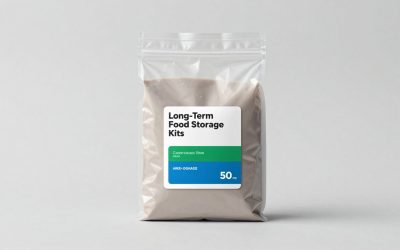
Storage Bags 3 Pack 100L Clothes Organization and Storage Containers
One of the home product options compared in this guide.
View on AmazonAt 100 liters each, a bag can take a king comforter, or a queen comforter plus its shams, without forcing the zipper. Soft sides let the bags squeeze into awkward closet corners or the top of a wardrobe.
They are an organizing and dust-protection tool, not a moisture barrier, so keep them in a dry closet. For down comforters that will sit for a full season, these roomy bags are kinder to the loft than a tight-fitting bin.
Pros
- 100-liter capacity fits king comforters
- Very low cost for three bags
- Soft sides fit awkward spaces
Cons
- No water or pest protection
- Large bags can be heavy when packed with several items
TasticTotes Clear Storage Bags, 40L — Best for Sheets and Blankets on Shelves
TasticTotes 6 Pack Clear Storage Bags for Comforter, Clothes & Bedding, 40L
One of the comforter options compared in this guide.
View on AmazonBigger is not always better for linen storage. These 40-liter bags are sized for shelf use: big enough for a sheet set plus pillowcases or a couple of folded throws, small enough that each bag stays light and you do not have to unpack a mountain of bedding to find one item. The clear panels make it easy to see exactly what is inside, which saves a lot of unzipping on a crowded closet shelf.
The six-pack makes it easy to dedicate one bag per bed or per season. For a full queen or king comforter, step up to a larger comforter bag instead.
Pros
- Clear design shows contents at a glance
- Shelf-friendly 40-liter size
- Six bags for organizing by room or season
Cons
- Too small for most queen or king comforters
- Clear panels let in light, so keep them in a closed closet
Cozy Essential XXL Jumbo Vacuum Storage Bags — Best Space Saver

4 XXL Jumbo Vacuum Storage Bags for Bedding, Space Saver with Hand Pump | 47.2" x 35" Extra Large Vacuum Seal Bags for Bedding, Comforters, Blankets & Pillows; 80% Space-Saving Storage for Home
One of the home product options compared in this guide.
View on AmazonWhen space is the only thing that matters, vacuum bags win. This four-pack of XXL jumbo bags includes a hand pump, so you can compress bulky comforters and blankets even without a vacuum cleaner handy. Squeezing out the air can shrink a puffy comforter dramatically, which is what makes it possible to fit off-season bedding under a low bed or into a cedar chest.
Use them for synthetic comforters, blankets and spare pillows on a seasonal schedule. As the guide explains above, down and feather items should not stay compressed for long stretches, so let them re-expand within about six months.
Pros
- Maximum space savings for bulky bedding
- Hand pump included
- XXL size fits large comforters
Cons
- Not for long-term storage of down or feather bedding
- Seals can slowly leak; check bags every few months
SpaceAid Jumbo Vacuum Storage Bags — Best Budget Vacuum Bags

SpaceAid Jumbo Vacuum Storage Bags, Space Saver Sealer Compression Bags for Comforters, Blankets, Pillows, Bedding, Clothes (X-Large 3 Pack)
One of the comforter options compared in this guide.
View on AmazonThe bags are sized for comforters, blankets and pillows, and they are useful for squeezing off-season bedding into a suitcase, a cedar chest or a tight under-bed space.
The same caveats as any vacuum bag apply: compress synthetic items rather than down for long periods, keep the bags away from sharp edges, and check them every few months, since a slow leak lets the contents expand again.
Pros
- Very affordable entry into vacuum storage
- Sized for comforters, blankets and pillows
- Handy for travel and tight spaces
Cons
- Fewer and smaller bags than the jumbo multipacks
- Same long-term seal and loft limits as other vacuum bags
Lifewit 95L Under Bed Storage Containers — Best Fabric Under-Bed Option

Lifewit 95L 4 Pack Under Bed Storage Container, Blanket Organizer, Gray
One of the blanket options compared in this guide.
View on AmazonThese large 95-liter under-bed bags are built for blankets and spare duvets, and the four-pack covers both sides of a bed. Soft-sided under-bed storage makes the most of irregular clearance because the bag can flex slightly to fit, and the fabric breathes better than a sealed plastic box, which suits bedding you swap out seasonally.
Measure your bed’s clearance first, as recommended in the under-bed section below, and compare it to the bag height on the listing. The trade-off for breathable fabric is weaker protection from dust under the bed, so vacuum the floor before sliding them in.
Pros
- Large 95-liter capacity per bag
- Breathable fabric suits seasonal bedding
- Four bags in a pack
Cons
- Soft sides can sag if under-filled
- Less dust protection than a lidded plastic box
StorageWorks 6 Inch Low Profile Under Bed Containers — Best for Tight Clearance

StorageWorks 6 Inch Low Profile Under Bed Storage Containers with Clear Lid
Chosen because it lists an explicit depth/thickness.
View on AmazonMany beds only clear six to eight inches, and that is precisely where most under-bed bins fail. At about six inches tall, these low-profile containers are made for the beds that taller bins cannot fit under. The clear lid lets you check contents without pulling the whole box out, and a rigid lid keeps dust off better than an open bag.
Six inches is not enough height for a fully lofted comforter, so pair these with flat items: sheet sets, thin quilts, folded blankets, or a comforter that has been lightly compressed in a vacuum bag first.
Pros
- Low six-inch profile fits under most beds
- Clear lid for quick checks
- Rigid lid keeps out more dust than fabric
Cons
- Too shallow for a full-loft comforter
- Costs more than fabric under-bed bags
Tsinglax Under Bed Storage with Wheels — Best Rolling Option

Tsinglax 66L 2-Pack,Under Bed Storage with Wheels, 30" L x 16" W x 7.5" H | Rolling under bed drawers with sturdy frame, clear lids; under bed containers store clothes, shoes, blankets, toys & holiday
One of the home product options compared in this guide.
View on AmazonIf you pull bedding out every season, wheels make a real difference. This two-pack holds 66 liters in total (about 33 liters per bin), and each bin measures 30 inches long, 16 inches wide and 7.5 inches tall, so it is sized for beds with a little more than seven and a half inches of clearance. Rolling it out beats dragging a loaded bin across carpet, and it saves the stress on handles and seams that dragging causes.
Check that your bed frame’s side rail and any center legs leave a clear path for the full 30-inch length. These are ideal for guest bedding, seasonal duvets and spare pillows in a bedroom where the closet is already full.
Pros
- Wheels make seasonal access easy
- Published dimensions make fit checks simple
- 66 liters in total across the two bins (about 33 liters each)
Cons
- 7.5-inch height will not fit under very low beds
- Wheels need a smooth path free of center legs
Cedar Space Cedar Blocks — Best Moth Protection Add-On

Cedar Space Cedar Blocks for Clothes Storage, 16 PCS Cedar Chips for Closet
One of the home product options compared in this guide.
View on AmazonCedar blocks are not a container, but they are the cheapest insurance for any container holding wool blankets, cashmere throws or feather pillows. This 16-piece set is enough to drop two or three blocks into each bin or bag, and the cedar scent is far less overpowering than mothballs, which leave a smell that lingers in bedding for weeks.
Cedar’s scent fades over time. Lightly sanding the surface of each block every few months refreshes it, and replacing them once they no longer smell of cedar keeps the protection working.
Pros
- Low-cost moth deterrent for natural-fiber bedding
- Pleasant scent instead of a chemical smell
- Enough pieces for several containers
Cons
- Scent fades and needs refreshing
- A deterrent, not a substitute for a sealed container
More Bedding Storage Containers Worth Considering
These five fill gaps the main list leaves open: extra-large bags for king and oversized comforters, heavier-duty totes for garages and attics, and a piece of furniture that doubles as bedding storage.
Fixwal Blanket Storage Bags 120L (2-Pack) — Best for King Comforters in a Closet
At 120 liters, each Fixwal bag has room for a king comforter plus pillows without forcing the zipper, which is exactly the headroom a lofty comforter needs. The light, breathable fabric suits closet shelves where you want airflow rather than a seal.

Comforter Storage Bags 120L for Blanket Clothes Bedding Sheet 2 Pack Grey
One of the comforter options compared in this guide.
View on Amazon- Capacity: 120 liters per bag; two bags per pack
- Size: about 19.7 x 15.7 x 23.6 inches (50 x 40 x 60 cm)
- Material: breathable non-woven fabric
- Metal zipper that opens most of the way around; two reinforced handles sewn to the base
- Rated load: about 50 lb per bag
Pros: enough room for a king comforter without compression; folds flat when empty; very low cost per bag.
Cons: thin fabric gives no water or pest protection; tall shape may not fit low closet shelves.
Skip it if… the bedding is going into a basement, garage or attic.
SLEEPING LAMB 170L Blanket Storage Bag — Best for Oversized and Multiple Comforters
When one bag has to hold several duvets, the 170-liter SLEEPING LAMB bag is the step up. It uses heavier Oxford fabric than typical non-woven bags, adds a clear window and handles, and folds flat when the season changes.

SLEEPING LAMB 170L Huge Blanket Storage Bag, Sturdy Oxford Fabric Comforter Storage Bag with Handles and Window, Foldable Bedding Container Organizer for King-size Duvets, Sheets, Pillows, Clothes
One of the comforter options compared in this guide.
View on Amazon- Capacity: 170 liters
- Size: about 25 x 19 x 22 inches
- Material: Oxford fabric
- Clear front window, carry handles, zipper closure
- Rated load: about 50 lb
Pros: sturdier fabric than most budget bags; fits oversized king comforters with room to spare; window shows contents.
Cons: heavy and awkward to lift once full; a single large bag tempts overpacking.
Skip it if… you store bedding on a high shelf; two smaller bags are safer to lift.
Sterilite 64 Qt Latching Box (6-Pack) — Best Budget Sealed-Lid Totes for Attics and Basements
The 64-quart Sterilite latch box is a practical middle ground between the 12-gallon totes in the main list and gasket-sealed bins. It is large enough for a queen comforter, and the recessed lid keeps stacked bins stable.

Sterilite Latching Storage Box, Stackable Bin, 64 Quart, 6-Pack
One of the home product options compared in this guide.
View on Amazon- Capacity: 64 quarts (about 61 liters)
- Outside size: 23 3/4 x 16 x 13 1/2 inches
- Inside, at the bottom: 19 3/8 x 13 1/8 x 13 inches
- Two latches; one can open while the other acts as a hinge
- Recessed lid for neat stacking; clear body
Pros: queen-comforter size at a low cost per bin; stacks well; contents visible.
Cons: no gasket, so not fully moisture-proof; plastic can flex if stacked more than three high when full.
Skip it if… the space floods or stays humid; choose a gasket-sealed tote instead.
Rubbermaid Roughneck Tote 18 Gallon (6-Pack) — Best Heavy-Duty Tote for Garages
Roughneck totes are thick-walled and made for rough handling, which makes them a good choice where bins get moved, kicked or stacked on concrete. The extra height suits pillows and thick blankets.

Rubbermaid Roughneck Tote 18 Gal, 6 Pack, Made in USA, Dark Indigo Metallic, Rugged Plastic Stackable Storage Bins with Lids and Handles
One of the home product options compared in this guide.
View on Amazon- Capacity: 18 gallons (about 68 liters)
- Outside size: 23 7/8 x 15 7/8 x 16 3/8 inches
- Inside: about 17 1/2 x 10 3/4 x 16 1/4 inches (tapered walls)
- Stackable, with molded handles; made in the USA
Pros: very durable, crack-resistant plastic; taller than most latch totes; opaque walls block light.
Cons: snap lid has no gasket; tapered walls leave less floor space inside than the outside size suggests.
Skip it if… you want to see contents without opening the lid.
SONGMICS 43-Inch Folding Storage Ottoman Bench — Best Bedding Storage You Can Sit On
If closets are full, a bench at the foot of the bed holds a spare comforter and throws right where you use them. The SONGMICS folding ottoman sets up without tools and folds flat when not needed.

SONGMICS 43.3 Inches Folding Storage Ottoman Bench, Load 660 lb | Ottoman Foot Rest, Storage Chest, for Living Room, Entryway, Slate Gray and Ink Black, MINOTA Collection ULSF77K
Chosen because it lists an explicit depth/thickness.
View on Amazon- Outside size: about 43 x 15 x 15 inches
- Storage volume: listed at about 35 gallons
- Load capacity: up to 660 lb as a seat
- Lift-off lid; folds flat for storage
Pros: adds seating and storage in one footprint; holds a queen comforter folded; looks finished in a bedroom.
Cons: no pest or moisture protection; fabric-covered board is less durable than wood furniture.
Skip it if… you need to store wool bedding long-term without cedar or a sealed bag inside.
| Container | Type | Capacity | Outside size (in) | Best for | Protects against |
|---|---|---|---|---|---|
| Fixwal Blanket Storage Bags 120L | Fabric bag | 120 L | 19.7 x 15.7 x 23.6 | King comforter in a closet | Dust |
| SLEEPING LAMB 170L | Oxford fabric bag | 170 L | 25 x 19 x 22 | Several duvets | Dust, light (except window) |
| Sterilite 64 Qt Latching Box | Latching tote | 64 qt / 61 L | 23.75 x 16 x 13.5 | Queen comforter, attic | Dust, most insects |
| Rubbermaid Roughneck 18 Gal | Heavy-duty tote | 18 gal / 68 L | 23.9 x 15.9 x 16.4 | Garage, rough handling | Dust, light, impact |
| SONGMICS Folding Storage Ottoman | Storage bench | About 35 gal | 43 x 15 x 15 | Foot of the bed | Dust |
| Ziploc Flexible Totes, Underbed Size | Zip tote | 17 gal / 64 L each, 2 totes | Underbed size (not published here) | Pillows and blankets under the bed | Dust |
| Spacesaver Jumbo Vacuum Bags, 6 Pack | Vacuum bags with hand pump | 6 jumbo bags | Jumbo (not published here) | Short-term compression of synthetic bedding | Dust, moisture while sealed |
Ziploc Flexible Totes, Underbed Size, 17 Gallon — Best Flexible Zip Totes for Pillows and Blankets

Ziploc Flexible Totes, Underbed Size, 17 Gallon, 2 Count Organizing Tote with Zipper and Built‑In Handles, Flexible & Stackable Clothing and Home Storage Bag
One of the home product options compared in this guide.
View on AmazonRigid under-bed bins and soft fabric bags each have drawbacks, and a flexible zip tote sits between them. These Ziploc totes zip shut, have built-in handles and are described by the maker as flexible and stackable, so they slide under a bed and adapt to uneven clearance. At 17 gallons each they hold a couple of blankets or several pillows.
- Capacity: 17 gallons per tote (about 64 liters), two totes per pack
- Closure: zipper rather than a gasket lid
- Built-in handles; flexible and stackable per the maker
- Sold in an under-bed size, with larger 22-gallon totes also available in the line
Pros: flexible design adapts to odd clearances; zipper closure; a recognizable brand with 10-gallon and 22-gallon options if you want matching sizes.
Cons: a zipper is not a gasket, so these are not for damp basements or garages; soft sides do not protect lofty items from being squashed by anything stacked on top.
Skip it if… the space has moisture or pest risk; choose the IRIS USA WeatherPro 63 Qt Storage Bins instead.
Spacesaver Vacuum Storage Bags with Hand Pump, Jumbo, 6 Pack — Best Name-Brand Vacuum Set

Spacesaver Vacuum Storage Bags with Hand Pump, Jumbo, 6 Pack
One of the home product options compared in this guide.
View on AmazonA six-pack of jumbo vacuum bags with a hand pump is the practical choice if you want to compress several comforters, blankets and pillows for a move, a small closet or a cedar chest. Six bags give you enough to pack every off-season item at once, and a hand pump means you do not need a vacuum cleaner.
- Pack: six jumbo bags
- Hand pump included
- Type: valve-based vacuum compression bags
- Made for blankets, comforters, pillows and clothes
Pros: large pack for whole-closet packing; no vacuum cleaner needed; best used for synthetic bedding and seasonal rotation.
Cons: like all vacuum bags, seals can leak slowly, and down or feather items should not stay compressed for long.
Skip it if… the bedding is down, feather or wool you plan to store for a year or more; use breathable canvas bags such as the VeraMia Soft Canvas Comforter Bags instead.
Best Bedding Storage by Space
Most people choose bedding storage by where it will live, so here is the whole list grouped that way, with one spec line per pick.
Best for linen closet shelves
- Sterilite 12 Gallon Latch Totes — 12 gal (about 48 qt) · latching lid · six matching totes
- TasticTotes Clear Storage Bags, 40L — 40 L · clear panels · sheet sets and throws
- Fab totes Storage Bags with Lids — fabric bins · lidded · folds flat when empty
What to expect:
- Medium sizes you can lift one-handed from a high shelf.
- Dust protection, but little or no moisture protection.
- Matching sizes matter more than any single feature.
Best for down and king comforters
- VeraMia Soft Canvas Comforter Bags — thick canvas · about 25 x 19 x 9 in (about 70 L) · queen-size down comforters · four handles
- WISELIFE 100L Storage Bags — 100 L · three-pack · budget king size
- Fixwal Blanket Storage Bags 120L — 120 L · breathable non-woven · 50 lb rated
- SLEEPING LAMB 170L Blanket Storage Bag — 170 L · Oxford fabric · clear window
What to expect:
- Breathable fabric that protects loft instead of sealing in moisture.
- 100 liters or more per king comforter.
- No water or pest protection; keep them in dry, indoor rooms.
Best for basements, garages and attics
- IRIS USA WeatherPro 63 Qt Storage Bins — 63 qt · gasket seal · latching buckles
- Sterilite 64 Qt Latching Box — 64 qt · two latches · recessed stacking lid
- Rubbermaid Roughneck Tote 18 Gallon — 18 gal · thick polyethylene · opaque walls
What to expect:
- Rigid plastic that resists insects, dust and splashes.
- Only gasket lids keep out humid air; add silica gel in any sealed tote.
- Keep totes off bare concrete with a shelf or pallet.
Best for under the bed
- StorageWorks 6 Inch Low Profile Under Bed Containers — about 6 in tall · clear rigid lid
- Tsinglax Under Bed Storage with Wheels — 66 L total for two bins · each 30 x 16 x 7.5 in · wheels
- Lifewit 95L Under Bed Storage Containers — 95 L · fabric · four-pack
What to expect:
- Height is the limit: measure clearance first; 6 to 8 inches is common.
- Flat items (sheets, quilts) fit better than lofted comforters.
Best bedroom furniture for bedding storage
- SONGMICS 43-Inch Folding Storage Ottoman Bench — about 43 x 15 x 15 in · about 35 gal · 660 lb seat rating
Summary: for most homes, the IRIS USA WeatherPro 63 Qt is the best sealed option for risky spaces, the VeraMia Soft Canvas Comforter Bags are the best choice for down comforters, and the StorageWorks 6 Inch Low Profile containers are the best fit under standard beds.
How We Chose These Bedding Storage Containers
This guide is research-based; we did not run our own long-term storage trials. Each container was chosen for a specific job using these criteria:
- Published dimensions and capacity. We favored products that list both outside size and volume, so you can check them against shelf depth (often 14 to 16 inches) and bed clearance (often 6 to 8 inches).
- Closure matched to risk. Gasket or latching lids for basements, garages and attics; breathable fabric for indoor closets and down bedding.
- Fit for real bedding sizes. At least one pick per size: sheet sets (around 40 L), queen comforters (55 to 70 qt), king comforters (100 to 120 L) and oversized or multiple duvets (150 L and up).
- Weight when full. We avoided totes above about 90 quarts, which become too heavy to lift safely once packed.
- Textile-care guidance. Recommendations on down, wool and long-term vacuum storage follow common bedding-maker care advice and professional organizer guidance.
Buying Checklist: What to Look for in Any Bedding Container
Whatever type you choose, a few details separate containers that last for years from ones that crack, split or leave bedding smelling odd.
- Closure type: gasket lids for damp spaces, latching lids for stacked shelves, zippers for fabric bags. A lid that simply rests on top is fine for daily-use linens only.
- Fit check: check the inside dimensions against both the bedding and the space. Linen closet shelves are often only 14 to 16 inches deep, and many under-bed spaces clear only 6 to 8 inches.
- Weight when full: pick a size you can lift down from a shelf with one hand on the lid. Two medium containers are safer and more practical than one huge one.
- Handles and seams: reinforced handles and double-stitched seams matter on fabric bags that will be pulled off high shelves repeatedly.
- Smell out of the box: a strong chemical odor from new plastic or vacuum film can transfer to bedding. Air new containers for a day or two before packing anything inside.
- Stackability: rigid totes with molded stacking lips stay put on shelves; soft bags should go on top of the stack, never underneath heavy bins.
The Pest and Moisture Problem Nobody Mentions
Wool blankets and down comforters are moth bait. Moths don’t eat synthetic fiberfill, but they will absolutely go after wool, cashmere throws, and feather pillows. If you’re storing any natural-fiber bedding for a season, a sealed container matters more than a fabric bin, and tossing in a cedar block or a few sachets of lavender inside the container is cheap insurance. Mothballs work too but leave a smell that lingers in bedding for weeks.
Moisture is the bigger risk in basements and garages. Cardboard boxes are the worst possible choice here — they wick moisture, they’re a food source for silverfish, and they collapse if anything gets damp. If you’ve got bedding currently sitting in cardboard in a basement, that’s the first thing to fix regardless of what else you do.
Under-Bed Storage Specifically
Under-bed space is some of the most underused storage in a bedroom, but bedding is bulky and most beds only clear 6-8 inches. Measure your actual clearance before buying anything — a bin rated for “under-bed” use that’s 9 inches tall will not fit under a standard bed frame with a low box spring. Low-profile bins with wheels make sense if you’re pulling bedding out seasonally; if it’s truly long-term storage (holiday linens, guest bedding you use twice a year), a vacuum bag flattened under the bed wastes less of that clearance than a rigid bin.
Setting Up a Linen Closet That Stays Organized
A linen closet works best when the most-used items sit at eye level and the least-used items go high or low. A simple layout that holds up over time:
- Top shelf: off-season comforters and guest bedding in lidded totes or comforter bags. These come down only a few times a year.
- Eye-level shelves: the sheet sets you use every week, one bin or clear bag per bed so nobody has to dig.
- Lower shelves: spare pillows, blankets and throws in fabric bins that are easy to grab.
- Floor: heavier sealed totes, if the closet floor stays dry, so nothing heavy has to be lifted overhead.
Keep a little empty space on each shelf. A closet packed to the edge looks organized for a week, then collapses the first time someone pulls out the bottom bin.
Other Places to Store Bedding When Closets Are Full
If every closet is spoken for, a few dual-purpose spots can absorb a surprising amount of bedding:
- Storage ottoman or bench: a lift-top bench at the foot of the bed holds a comforter or two plus throws, and it keeps them right where you need them.
- Blanket chest or cedar chest: a classic for wool and heirloom quilts, with built-in moth protection if it is lined with cedar.
- Bed frame with drawers: if you are replacing a bed anyway, built-in drawers make under-bed storage dust-resistant and easier to reach than bins.
- Hanging closet organizers: shelf-style hanging organizers turn wasted vertical space in a wardrobe into folded linen storage.
- Inside the duvet cover: storing a clean spare duvet insert inside its own cover, then in a breathable bag, saves a step when changing beds.
Whichever spot you use, the same rules apply: clean, completely dry bedding, protection matched to the risk in that space, and a label so you know what is inside without opening everything.
What’s Not Worth Buying
Decorative woven baskets marketed for linen closets look good but almost never seal, so they’re functionally the same as leaving bedding on an open shelf — fine for towels in daily rotation, not for seasonal storage. Branded “bedding organizer” bags that cost three times what a generic vacuum bag costs usually use the same valve and film; you’re paying for packaging, not performance. And oversized totes above 90 quarts are a mistake for bedding specifically — once you load four or five comforters in, the tote is too heavy to lift one-handed, and most people end up dragging it, which stresses the hinges and cracks the lid over time. Two medium totes beat one giant one.
How to Prep Bedding Before It Goes Into Storage
The container is only half of the job. Bedding that goes into storage dirty or slightly damp comes out musty, yellowed or with pests no matter how good the bin is.
- Wash everything first. Body oils, sweat and food residue that are invisible now turn into yellow spots over months, and they attract moths and silverfish. Follow the care label, especially for down and wool.
- Dry completely, then dry some more. Comforters and pillows can feel dry on the surface while still holding moisture in the center. Give them an extra dryer cycle or a full day of airing before packing.
- Skip starch and heavy fabric softener. Both leave residue that can attract pests and stiffen fibers during long storage.
- Fold loosely, or roll. Hard creases set over time in cotton and linen. Rolling sheets or folding along different lines each season reduces permanent fold marks.
- Keep sets together. Tuck the flat sheet, fitted sheet and spare pillowcase inside one of the pillowcases. It keeps each set together and makes the shelf easier to scan.
- Label the outside. Note the bed size, room and season on each bin. It is the cheapest organizing upgrade there is.
How Much Fits: Container Sizes for Common Bedding
Use this as a rough guide when choosing container sizes. Actual fit depends on fill type and thickness, so a lofty down comforter needs noticeably more room than a thin synthetic one.
| Item | Uncompressed container size (approximate) | Vacuum-compressed |
|---|---|---|
| Queen sheet set with pillowcases | 10 to 15 liters; several sets fit in a 40-liter bag | Rarely worth compressing |
| Twin or full synthetic comforter | 40 to 50 quarts | A large vacuum bag |
| Queen comforter or duvet insert | 55 to 70 quarts, or a 75 to 100 liter fabric bag | A jumbo vacuum bag |
| King or oversized down comforter | 70 to 90 quarts, or a 100 to 120 liter fabric bag | An XXL vacuum bag, short term only |
| Two standard bed pillows | About 60 to 70 quarts, pressed down lightly | A large vacuum bag |
| Wool or knit throw blankets | A 40-liter bag holds two or three | Not recommended for long periods |
One quart is just under one liter, so a 33-liter under-bed bin holds roughly 35 quarts. When a listing gives only dimensions, multiply length by width by height in inches and divide by 61 to get liters.
Storage Tips by Bedding Type
Down and feather comforters
Store in breathable cotton or canvas, not sealed plastic for long periods, and avoid long-term vacuum compression. Give the comforter a shake and a few hours of fresh air when you take it out to restore the loft.
Wool blankets and cashmere throws
These are the items moths target. Clean them first, then store in a sealed tote or a zippered bag with cedar blocks or lavender sachets inside. Check them once mid-season if they are stored for a long time.
Cotton and linen sheets
Fabric bins or clear bags on a closet shelf are fine. Avoid plastic for years-long storage of heirloom linens; acid-free tissue between folds and a cotton bag are kinder over the long term.
Synthetic comforters and pillows
The most forgiving items for vacuum bags. Moths ignore synthetic fill, so the main risks are moisture and dust, which a sealed tote or vacuum bag handles well.
Weighted blankets
These are heavy and dense, so they compress very little. Fold them into a medium sturdy tote rather than a soft bag, and do not stack heavy bins on top, which can crush the inner pockets over time.
Frequently Asked Questions
Is it better to store comforters in plastic or fabric?
It depends on the space. Fabric is better in a dry closet, especially for down, because it lets the comforter breathe. Sealed plastic is better in basements, garages and attics, where moisture and pests are a bigger risk than trapped air. If you use plastic, make sure the comforter is completely dry first and add a silica gel packet.
Can you store bedding in vacuum bags long term?
Synthetic bedding tolerates it reasonably well, but vacuum bags are best treated as a seasonal tool. Seals can slowly leak, and down or feather items can lose loft if compressed for many months. As a rule of thumb, let compressed items re-expand within about six months.
How do I keep stored bedding from smelling musty?
Wash and fully dry everything before storage, store in a cool and dry area, and avoid cardboard boxes. In fabric containers, a cedar block or a lavender sachet keeps things fresh. In sealed totes, a silica gel packet absorbs any leftover moisture.
Where is the best place in the home to store bedding?
A cool, dry, dark interior space, such as a linen closet, a bedroom closet shelf or under the bed, is ideal. Attics and garages see big temperature swings and humidity, and basements risk moisture, so use sealed totes if those are your only options.
How often should I air out stored bedding?
Seasonal bedding that rotates in and out every few months does not need extra attention. For items stored a year or more, such as heirloom quilts or guest bedding, unpack and air them out once or twice a year and check for any signs of moisture or pests.
Are clear containers or opaque containers better for bedding?
Clear containers make it easy to see what is inside, which is useful on busy closet shelves. Opaque containers block light, which helps prevent fading and yellowing over long periods. If you choose clear bins, keep them inside a closed closet or cupboard rather than in a sunny room.
Can I store bedding in a cedar chest?
Yes, a cedar chest is a classic option for wool and natural-fiber bedding thanks to the moth-deterring scent of the wood. Make sure items are clean and fully dry, and avoid packing the chest so tightly that air cannot circulate. For bulkier comforters, a lightly compressed vacuum bag can help them fit.
What size storage bag do I need for a king comforter?
A king comforter needs a storage bag of about 100 to 120 liters, or a 70 to 90 quart tote. Thick down or oversized king comforters fit more comfortably in 120 to 170 liter bags, which leave room for the fill to keep its loft instead of being crushed.
Is a storage ottoman a good place to keep bedding?
Yes, a storage ottoman or bench works well for bedding you use often, such as a spare comforter or throws. It protects from dust and light but not moisture or moths, so add cedar blocks for wool and avoid using it for long-term storage of heirloom textiles.
What is the best container for storing bedding?
The best container depends on the space: breathable canvas or fabric bags for dry closets and down comforters, gasket-sealed plastic totes for basements, garages and attics, and low-profile boxes or bags for under the bed. Match the closure to the moisture and pest risk first, then the size to the bedding.
How do I store bedding in a small apartment?
Use vertical and hidden space: low-profile boxes under the bed, a storage ottoman at the foot of the bed, and slim fabric bags on the top closet shelf. Compress only synthetic bedding in vacuum bags, and keep down comforters in breathable canvas so they keep their loft.
More from Amazon
Programs that pair well with the guide above. Offers and eligibility are set by Amazon and may change.
Collect the home and kitchen items you want in one registry that guests can shop from.
Create a wedding registrySet up recurring deliveries of everyday items on eligible products. Terms and savings are set by Amazon.
Explore Subscribe & SaveFree shipping on eligible items, Prime Video and more. Eligible new members can start with a free trial.
Start a Prime free trialAudiobooks and podcasts to listen to on the go. Eligible new members can start with a free trial.
Try Audible freeAs an Amazon Associate we earn from qualifying purchases.