
Key takeaways
- Preserves a conventional, relatively low screen position for everyday viewing.
- Usually avoids rebuilding the existing angled fireplace enclosure.
- Uses familiar freestanding storage for remotes, media players, and games.
A corner fireplace does not need to compete with your television for the room’s best wall. The most practical corner fireplace and tv ideas give the screen a comfortable view while keeping the hearth in sight. Compare six layouts for adjoining walls, opposite corners, compact rooms, and open plans before moving furniture.
As an Amazon Associate we earn from qualifying purchases.
By KK Home Furnishings Editorial Team
Small-Space Corner Fireplace and TV Layouts
Start with the available wall surface, not the style of the mantel. A low console on the adjoining wall, a second diagonal corner, and a properly mounted swivel screen solve three different problems: clear sight lines, underused corners, and limited floor depth. Compare the trade-offs before committing to one.
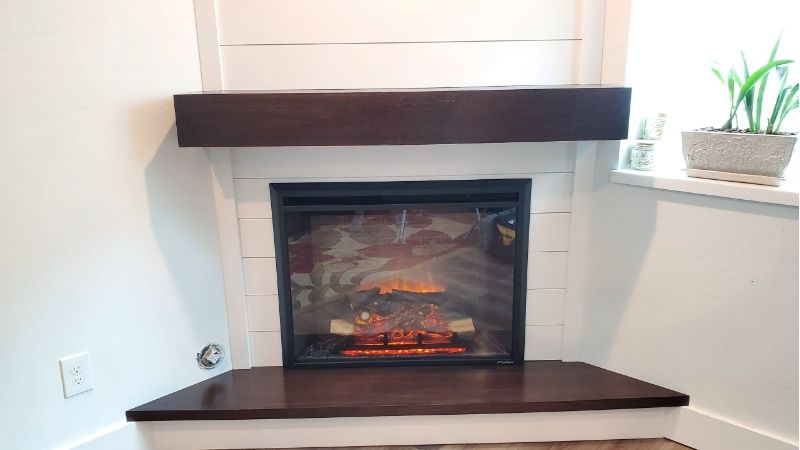
| Idea | Space or Size Needed | Cost Tier | Effort and Time | |
|---|---|---|---|---|
| Adjacent-wall low console | Short rectangular room | Mostly TV-facing sofa | Low to moderate | Low: measure and position console |
| Second angled TV corner | Square room with spare corner | Diagonal seating | Moderate | Low to moderate: arrange corner base |
| Articulating side-wall mount | Little cabinet floor space | Adjustable toward sofa | Moderate | Moderate: safe mount installation |
| Built-in media niche | Remodel with straight adjoining wall | TV-focused main seating | Premium | High: trade work and construction |
| Far-wall TV with accent chair | Long, narrow room | Separate fireside chair | Low to moderate | Low: move seating and add chair |
| Floating sectional zone | Larger open-plan room | Mixed screen and conversation seats | Moderate to premium | Low to moderate: test sofa floor plan |
A Low TV Console on the Wall Beside the Corner Hearth
Best For: Compact rectangular living rooms with an unbroken wall immediately beside the fireplace and a sofa opposite it.
This is the simplest way to keep the two focal points connected without stacking the television over heat. Put the TV on a low cabinet along the straight wall adjacent to the diagonal hearth. The fireplace stays visible in peripheral vision, while the screen can face the main sofa instead of an awkward corner. Choose a cabinet that leaves an obvious visual break between its edge and the firebox enclosure.
Measure the cabinet footprint, the depth of the hearth projection, and the swing of nearby doors before settling on a screen position. A cabinet that fits on paper can still leave a narrow route between the sofa and the hearth. If the TV has feet, the furniture must meet the television maker’s width and weight requirements; anchor the furniture and television as applicable. Wall-mount hardware has separate structural requirements.
For styling, repeat one finish across the mantel or fireplace trim and the console, then keep decor low enough not to intrude on the TV. A long rug can connect the screen and fireplace visually. This approach works best when a viewer can sit nearly square to the TV; it becomes less appealing if the only usable cabinet location is directly beside a hot-air outlet.
Pros:
- Preserves a conventional, relatively low screen position for everyday viewing.
- Usually avoids rebuilding the existing angled fireplace enclosure.
- Uses familiar freestanding storage for remotes, media players, and games.
Cons:
- A short adjoining wall may not fit both the desired TV and a usable cabinet.
- A side-venting fireplace can rule out the intended furniture position under its manual.
Who Should Skip It: Skip this layout if the adjoining wall is interrupted by a doorway, opening, or required fireplace clearance.
A Second Angled TV Corner Opposite the Fireplace
Best For: Square or near-square rooms with two usable corners and a sofa that can face diagonally.
A separate diagonal TV corner gives the fireplace its own architectural zone. Place the screen on a suitable corner media cabinet or an approved mount in a different corner, and orient the main sofa toward the television. From the sofa, the two features read as balanced points rather than one overloaded wall. It is a useful option when every straight wall contains a window or doorway.
Check sight lines from the sofa ends, not just the center cushion. Corner furniture often places a television farther into the room than its cabinet width suggests, and deep triangular cabinets consume floor area. If a stand is chosen, its surface, weight rating, and anchoring requirements still apply. Do not treat a corner unit as inherently more stable than a rectangular console.
Keep the center of the floor simple with a compact coffee table and leave the direct circulation route open. Color repetition, rather than identical objects on each corner, ties the arrangement together. For a very large screen, mock up the TV’s full outline with painter’s tape first: a diagonally positioned panel can dominate a modest square room.
Pros:
- Makes use of a corner that might otherwise remain empty.
- Separates viewing equipment from the fireplace surround.
- Can balance a square room without substantial construction.
Cons:
- Diagonal TV placement can waste more floor depth than expected.
- Corner sight lines may be poor for guests seated along a side wall.
Who Should Skip It: Skip if a second diagonal focal point would block a doorway, create glare, or shrink the central walkway.
An Articulating TV Mount for a Narrow Adjacent Wall
Best For: Small rooms where the wall beside the fireplace can support a listed swivel mount but not a deep console.
A correctly specified articulating mount lets the TV rest close to a side wall and turn toward the usual seating position when needed. This solves a viewing-angle problem rather than a storage problem. When the television is not in use, returning it near the wall can make the corner fireplace feel like the primary architectural feature. Choose its resting position before planning artwork or shelving nearby.
Confirm the screen’s VESA pattern, weight, required wall construction, maximum extension, and range of motion against the exact mounting instructions. A swing arm increases leverage on its anchors; it cannot be attached to decorative paneling or unspecified drywall just because the TV is light. Check whether an extended screen would overlap a mantel, reach a heat plume, strike a door, or expose a cable to traffic.
Plan power and signal routing for both the folded and extended positions; do not leave tight cords to catch on the mount. The fireplace manufacturer’s required clearances and the TV maker’s operating-temperature limits remain independent constraints. Use a qualified installer if wall construction or proximity to the fireplace makes compliance uncertain.
Pros:
- Changes the viewing angle without moving the whole sofa.
- Frees floor space for circulation or shallow storage.
- Can visually recede when the TV is not in use.
Cons:
- Installation depends heavily on sound structural anchoring and compatible hardware.
- Visible or pinched cables are harder to prevent on a moving arm.
Who Should Skip It: Skip where the mount cannot be securely installed or its movement enters the fireplace’s prohibited zones.
Larger-Room Ideas With Two Comfortable Focal Points
A larger living room can afford two different activities rather than forcing both into a single feature wall. Consider a built-in niche, a TV-first seating plan, or a floating sectional according to which activity needs the best seats. The fireplace and TV can feel coordinated even when they are not directly adjacent.
A Built-In Media Niche Beside the Angled Fireplace
Best For: Rooms undergoing a remodel, with enough straight wall beside the hearth for a dedicated screen and closed storage.
A built-in niche turns the TV into a deliberate part of the fireplace composition without forcing it over the fire. Frame the screen on the straight section beside the angled hearth with restrained cabinetry, leaving the corner geometry clearly readable. Matching trim or cabinet color can unify the entire wall while the TV stays at a more flexible viewing height.
Start the design around the appliance instructions, not the desired shelf spacing. The fireplace may have required noncombustible zones, vents, service openings, or restrictions on adjacent cabinetry. The TV needs access to connections, cooling air, and a mount or support built for its specific size and weight. Allow for future replacement with a screen of different dimensions rather than making an exact-fit opening.
Because this is a construction project, the costs are not just cabinets and paint. Electrical relocation, wall reinforcement, finish repairs, and professional installation can dominate the budget, and some existing fireplace enclosures cannot be altered as imagined. Use a limited number of open shelves so the diagonal firebox and television do not compete with a dense display of ornaments.
Pros:
- Creates a cohesive focal composition with useful concealed storage.
- Keeps most equipment away from the fireplace opening itself.
- Offers a tailored solution for an irregular wall shape.
Cons:
- Site-specific construction and electrical work can become expensive.
- A tightly sized niche can limit the next TV upgrade or future servicing.
Who Should Skip It: Skip if the fireplace manufacturer does not permit the proposed surrounding materials or the room cannot justify permanent alterations.
A TV-First Far Wall With a Fireside Accent Chair
Best For: Long living rooms where the television is used daily and the diagonal fireplace is better treated as a side feature.
Give the television the far straight wall and put the main sofa directly opposite it. Instead of turning the whole seating plan toward the angled fireplace, place one accent chair near the hearth where its occupant can enjoy the flame. This is especially practical in a long room: the television gets a familiar view axis, and the fireplace becomes a separate place to read or talk.
The chair should not block required hearth access, combustible clearances, or the natural path through the room. Decide where feet and side tables will sit when the chair is occupied, not only where the chair legs fit while empty. If the fireplace is wood-burning, consider where tools, screens, and ash-handling access need to remain clear under its particular operating instructions.
A slim cabinet beneath the screen can organize electronics without taking the whole far wall. Repeat an upholstery color or wood tone in the chair to make both zones feel related. This arrangement is less theatrical than a single combined focal wall, but it can be more comfortable when the family spends far more time watching the screen than enjoying the fire.
Pros:
- Offers a straightforward view of the TV for the main seating.
- Keeps a genuine fireside seat without forcing a diagonal sofa.
- Often makes good use of long, unobstructed walls.
Cons:
- The fireplace reads as a secondary feature rather than the room centerpiece.
- Guests in the fireside chair may not have a comfortable TV view.
Who Should Skip It: Skip when the fireplace is the principal activity and nearly every seat needs to face it.
A Floating Sectional Between Two Distinct Focal Points
Best For: Open-plan rooms large enough to pull seating away from walls while preserving traffic routes.
Float an L-shaped sectional so its longer run faces the TV on a straight wall, while its shorter return opens toward the fireplace corner. A small swivel chair can help bridge the remaining viewing angle. Rather than pretending that one seat points at both features perfectly, this plan defines screen-watching seats and conversation seats within the same rug-lined gathering area.
Sketch the sectional’s full footprint, including the chaise, before ordering. Its back may form a useful boundary between living and dining areas, but the chaise can interrupt an entry path if placed on the wrong side. Keep access to windows, fireplace controls, and the route to the next room in the plan. A rug under the front legs visually connects the furniture even when it is not against the wall.
This layout benefits from flexible lighting: a task lamp by the fireside chair and low-glare ambient light for screen viewing. Resist building two equally dramatic feature walls. Let one wall carry the TV and keep the fireplace finishes consistent but quieter. In a narrow room, the floating sectional will crowd circulation; a single sofa and lighter chairs may work better.
Pros:
- Supports TV watching and conversation without needing every seat on one axis.
- Defines a living zone inside an open floor plan.
- Allows a dedicated fireside chair or chaise orientation.
Cons:
- Requires more floor area than a sofa placed against a wall.
- Some seats will favor the TV while others favor the fireplace.
Who Should Skip It: Skip if floating the sectional leaves inadequate room to walk around the furniture or reach the hearth.
Frequently Asked Questions
Layouts and inspiration photos cannot determine safe clearances for a working fireplace. Use the exact appliance and television manuals when selecting the final location, and treat furniture stability and circulation as part of the design. The questions below cover decisions that remain after choosing a preferred arrangement.
Can a television hang directly above a corner fireplace?
Sometimes, but only when the exact fireplace installation instructions, any required heat-management system, wall structure, and the television’s specifications all permit it. A manufacturer’s example for a particular gas fireplace is not a universal approval for electric, gas, or wood-burning fireplaces.
Also consider the viewing angle from the primary sofa. A high diagonal screen often requires an uncomfortable upward or sideways gaze. This article prioritizes separate placement; above-fireplace installation is a different, model-specific project.
How can you check whether a corner TV layout will feel awkward?
Outline the TV, console, and full hearth projection with tape or movable cardboard before drilling. Sit in every main viewing seat and check the screen’s angle, reflected daylight, and whether the fireplace is visible without turning your entire body.
Then walk the route to doors, windows, and kitchen access as if someone were sitting in each chair. A layout that looks balanced from the doorway can be inconvenient once drawers open or people stand beside a coffee table.
Do corner fireplaces require matching corner TV stands?
No. A matching diagonal cabinet can make a square room feel symmetrical, but it is not required. In many rooms a standard low TV console on a straight wall gives a more practical viewing angle and easier storage access.
Match the visual weight through repeated colors, similar wood tones, or one shared rug. Functional placement matters more than buying two pieces with identical corner shapes.
What if there is not enough wall space beside the fireplace?
Look at the far wall, a structurally suitable articulating mount away from heat, or a second corner that does not interrupt circulation. These are alternate room layouts, not substitutes for meeting fireplace clearances.
If all placements conflict with doors, vents, or safe mounting points, consider reducing the TV size or rearranging the seating before commissioning cabinetry. A smaller screen that can be viewed comfortably is more useful than a larger one squeezed into an unsafe spot.
Final Thoughts
The most useful corner fireplace and tv ideas give the screen a comfortable sight line while allowing the angled hearth to remain an attractive part of the room. Start with a low adjacent-wall console if space permits; consider a second corner or swivel mount in tight rooms, and separate the two activities more deliberately in large spaces. Mock up the furniture before buying, and follow each appliance’s instructions rather than borrowing clearance dimensions from an inspiration photo.
