Key takeaways
- An electric sit stand height adjustable desk is judged by its actual height range and load, not by marketing about user height, since your elbow height when seated and standing is what sets ergonomics. This guide compares four current desks…
An electric sit stand height adjustable desk is judged by its actual height range and load, not by marketing about user height, since your elbow height when seated and standing is what sets ergonomics. This guide compares four current desks on height range, capacity, and desktop size.
As an Amazon Associate we earn from qualifying purchases.
By KK Home Furnishings Editorial Team
How to Choose an Electric Sit Stand Height Adjustable Desk
The desk’s real travel and load decide the fit, so these criteria stay measurable: starting with the minimum height, checking the maximum standing height, calculating the total equipment load, and confirming the desktop width and depth, since the frame’s range, not a user-height claim, determines whether it suits you.
Start With Minimum Height
The lowest setting decides whether the desk suits a seated user, so start with the minimum height rather than the maximum. The frames here reach lows around 22.6 to 25 inches, so compare them, since a desk that does not drop low enough forces a tall chair or a hunched posture, and the minimum is what fits a shorter seated user.
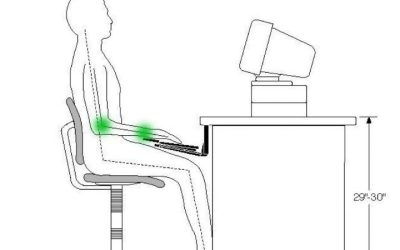
Match the minimum to your seated elbow height, since that, not your overall height, sets a comfortable typing position. Measure from the floor to your elbow when seated, because the desk surface should meet that height, and a frame whose minimum sits above it will be too high for comfortable seated work no matter how high it rises.
Remember the desktop thickness and any casters add to the minimum, since the listed range is the frame’s travel alone. A thick top or casters raise the real low setting, so account for them, because the usable seated height is the frame minimum plus the top and casters, which matters most for shorter users who need the surface to drop low.
Check Maximum Standing Height
The highest setting decides whether the desk suits a standing user, so check the maximum against your standing elbow height. The frames here top out around 48.4 to 50.5 inches, so compare them, since a desk that does not rise enough leaves a taller user hunched when standing, and the maximum is what fits standing work for a taller person.
Match the maximum to your standing elbow height, since that sets a comfortable standing position rather than your overall height. Measure from the floor to your elbow when standing, because the surface should meet that height, and a frame whose maximum falls short will be too low for comfortable standing work for a taller user over time.
Account for the top and casters here too, since they raise the maximum as well as the minimum. The travel span is the difference between the two, around 25 to 26 inches on these frames, so read both ends, because a wide travel span suits a range of users, but the final standing height still depends on the top and casters added.
Calculate Total Equipment Load
The load rating must cover everything on the desk, so calculate the total equipment weight rather than guessing. The FlexiSpot E7 lists a 355-pound static load, so read the figure carefully, since a static load is what the desk holds once raised, and a monitor, arm, PC, and accessories together can add up faster than expected on a loaded desk.
Match the capacity to your gear, since a monitor arm concentrates load and a desktop PC adds significant weight. Add up the desktop, monitors, arms, a tower, and accessories, because the rating must cover all of it, and a desk loaded near its limit rises less smoothly and wears its motors faster than one carrying a load with real margin.
Read whether a figure is static or lifting load, since the two differ and a static rating is not the weight the motors raise. The FlexiSpot’s 355 pounds is a static load unless the manual states a lifting figure, so confirm it, because treating a static rating as lifting can overload the motors, and the lifting figure is what matters when raising gear.
Desktop Width and Depth Matter
The desktop size sets the work area and, on a frame, the tops it accepts, so match it to your setup. The FlexiSpot E7 frame accepts tops from about 47 to 80 inches wide and 24 to 40 inches deep, so confirm the size, since a frame-only desk must pair with a compatible top, and the desktop decides how many monitors and tools fit.
Match the depth to a monitor’s viewing distance and the width to your gear, since a shallow top crowds a screen. A depth around 24 to 30 inches suits a monitor at arm’s length, so check it, because a wide but shallow desktop can still place a screen too close, and both dimensions decide whether a sit-stand desk is comfortable to use.
Weigh a frame-only desk against a complete one, since a frame lets you choose the top while a complete desk ships ready to use. A frame suits a custom top and the complete Vari desks suit a ready setup, so pick by preference, because a frame-only height range is the frame’s travel, while a complete desk states the finished desktop height.
Top Picks
These four are current electric sit-stand desks compared on height range, load capacity, and desktop size rather than user-height claims; two are frames and two are complete desks, so read the frame ranges and complete-desk heights as different measures, and confirm the live price and the top you need before choosing here.
| Product | Best For | Key Spec | Watch Out For |
|---|---|---|---|
| UPLIFT V3 | Wide-range premium platform | Frame 22.6-48.7 in; frame-only from a mid tier; V3 current | V2 is legacy stock |
| FlexiSpot E7 | Value heavy-duty frame | Frame 22.8-48.4 in; 355 lb static; 2 motors; tops 47-80W/24-40D | 355 lb is static, not lifting |
| Vari Electric 40×26 | Compact complete desk | Complete desk 25-50.5 in; 220 lb; 40×26 in top | Higher minimum height |
| Vari Command Center | Large work surface | Complete desk 25-50.5 in; 180-200 lb by config | Capacity varies by desktop |
Best Wide-Range Premium Platform – UPLIFT V3
The UPLIFT V3 suits buyers who want a wide height range on a premium, customizable frame platform. It lists a frame range of 22.6 to 48.7 inches with a frame-only option at a mid tier and a complete desk above it, so it offers one of the widest travel spans here, suiting a broad range of seated and standing heights.
The wide 22.6-to-48.7-inch range is the draw, dropping low for shorter seated users and rising high for taller standing work, on a well-regarded platform. It reads as the premium pick, so it suits a buyer who wants a customizable top and a wide range, provided you note the current V3 generation rather than the legacy V2 still on sale.
The catch is that the V2 is legacy stock while the V3 is current, so confirm you are buying the V3 generation. Account for the desktop thickness and any casters, since they raise the real minimum and maximum, and tally your equipment load against the frame’s rating, because the range alone does not confirm it carries your full setup.
Best Value Heavy-Duty Frame – FlexiSpot E7
The FlexiSpot E7 fits buyers who want a sturdy frame with a documented static load at a value price. It lists a frame range of 22.8 to 48.4 inches, a 355-pound static load, two motors, and compatibility with tops from about 47 to 80 inches wide, so it pairs a wide range and real capacity with a value-tier price for a frame.
The 355-pound static load and wide top compatibility are the draw, suiting a heavy, multi-monitor setup on a custom desktop at a value cost. It reads as the value heavy-duty pick, so it suits a buyer pairing it with their own top, provided you read the 355-pound figure as a static load rather than the weight the motors raise.
The catch is that the 355-pound rating is static unless the manual states a lifting figure, so confirm the lifting capacity before loading it heavily. Add your desktop plus gear against that figure, since the frame ships without a top, and account for the top’s weight, because the frame range and load are separate from the finished desk’s height.
Best Compact Complete Desk – Vari Electric 40×26
The Vari Electric 40×26 suits buyers who want a ready-to-use complete desk in a compact footprint. It lists a complete-desk height range of 25 to 50.5 inches, a 220-pound capacity, and a 40-by-26-inch top, so it ships as a finished desk with a stated desktop height rather than a frame you pair with a separate top.
The complete-desk format and compact 40-by-26 top are the draw, suiting a smaller room where a ready desk matters more than a custom top. It reads as the compact complete pick, so it suits a home office with limited space, provided the 25-inch minimum drops low enough for a shorter seated user, since it is higher than the frame options.
The catch is that the 25-inch minimum is higher than the UPLIFT and FlexiSpot frames, so confirm it suits a shorter seated user. The 220-pound capacity is lower than the FlexiSpot’s static figure, so tally your gear, because a compact complete desk carries less, and the 40-by-26 top limits how many monitors and tools fit on the surface.
Best Large Work Surface – Vari Command Center
The Vari Command Center fits buyers who want the largest work surface in a complete Vari desk. It lists a complete-desk height range of 25 to 50.5 inches and a capacity of 180 to 200 pounds depending on the desktop configuration, so it offers a big finished surface for a fuller workstation with multiple monitors and tools.
The large work surface is the draw, giving room for several monitors and accessories on a ready-to-use complete desk. It reads as the large-surface pick, so it suits a home office that needs space, provided the 25-inch minimum suits a shorter seated user, since like the compact Vari it sits higher at its lowest than the frame options here.
The catch is that the 180-to-200-pound capacity varies by desktop configuration, so confirm the rating for your exact top before loading it. Tally your monitors, arms, and PC against that figure, because a large surface invites more gear, and the capacity, not the surface size, is what limits how much equipment the desk can safely carry up.
Frequently Asked Questions
These answers cover what sit-stand buyers ask most, from what height range you need to how to set the right desk height, how much weight a desk holds, and whether a frame-only or complete desk is the better choice, since the frame’s travel and your elbow height together decide the ergonomics.
What height range do I need in a standing desk?
Match the range to your seated and standing elbow height, not your overall height, since the surface should meet your elbow in both positions. The frames here span roughly 22.6 to 50.5 inches across models, so compare both ends, because a shorter user needs a low minimum and a taller user a high maximum for comfortable work.
Measure from the floor to your elbow when seated and again when standing, since those two figures define the range you need. Compare them to the desk’s minimum and maximum, because a frame that misses either end is too high for seated work or too low for standing, and the elbow heights, not a user-height chart, set the real target.
Account for the desktop and casters too, since they raise the frame’s listed range at both ends. Add the top’s thickness and any casters, because the usable minimum and maximum are the frame travel plus those additions, and a range that looks right on paper can sit too high once a thick top and casters are added to the frame.
How do I set the right desk height?
Set the surface to your elbow height in each position, since your forearms should rest roughly level when typing seated or standing. Adjust the desk until your elbows sit at about a right angle, because that is the ergonomic target, and a desk set by your elbow height suits your body better than one set to a generic height figure.
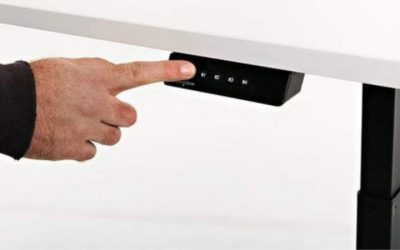
Save the sitting and standing presets once you find them, since a preset lets you return to the right height each time. Program both positions, because dialing the height manually each session invites settling for the wrong height, and presets keep you alternating between a correct seated and standing position rather than one compromise height all day.
Add a monitor at eye level to complete the setup, since desk height alone does not fix screen position. Raise the monitor so the top sits near eye level, because a correct desk height with a low screen still strains the neck, and a monitor arm helps place the screen right while freeing surface space on the adjustable desk below it.
How much weight can a standing desk hold?
It varies, and you must read whether a figure is static or lifting load, since the two differ. The FlexiSpot E7 lists a 355-pound static load and the Vari desks 180 to 220 pounds, so compare them, since a static rating is what the desk holds once raised, while the lifting figure is the weight the motors actually raise.
Match the rating to your total gear, since a monitor, arm, PC, and accessories add up quickly on a loaded desk. Tally the desktop plus everything on it, because the capacity must cover all of it, and a desk loaded near its limit rises less smoothly and wears its motors faster than one carrying a load with real margin to spare.
Confirm the lifting capacity before loading a frame heavily, since treating a static figure as lifting can overload the motors. Read the manual for the lifting rating, because the static load overstates what the desk raises, and a heavy multi-monitor setup should stay within the lifting figure, not just the higher static one printed on the listing.
Is a frame-only or complete desk better?
It depends on whether you want to choose your own top, since a frame-only desk pairs with a separate desktop and a complete desk ships ready. The UPLIFT and FlexiSpot here are frames while the Vari desks are complete, so pick by preference, because a frame suits a custom top and a complete desk suits a ready-to-use setup.
Match the choice to your needs, since a frame lets you size and finish the top while a complete desk removes that step. Choose a frame for a custom width and material, because it offers flexibility, while a complete desk suits a buyer who wants a finished surface without sourcing a top, at the cost of that customization and top choice.
Read the height figures accordingly, since a frame range is the frame’s travel and a complete-desk range includes its top. Compare them as different measures, because a frame’s minimum excludes the desktop you add, while a complete desk’s figure already includes the top, so confirm which you are reading before judging whether it fits your height.
Final Thoughts
Choosing an electric sit stand height adjustable desk comes down to the real height range against your seated and standing elbow height, the load read as static or lifting, and the desktop size. The UPLIFT V3 leads on range, the FlexiSpot E7 on value capacity, and the Vari desks on complete surfaces, so measure your elbow heights first.