
Key takeaways
- Flats, loafers, low sneakers: need 4-5 inches of clearance. Fixed shelves at this height are the most space-efficient.
- Running shoes, high-tops: need 5-7 inches. This is the safe default if you don’t want to measure your whole household’s shoes.
- Ankle boots: need 8-10 inches.
- Tall boots (knee-high, winter boots): need 12-14 inches, and most cubby-style tables can’t fit these upright at all. These usually have to lie on their side or go in an open bottom shelf instead of a cubby.
What's inside
An entryway table with shoe storage needs at least 12 inches of depth to hold a men’s size 11 shoe flat, and 14-16 inches if you want boots to fit without the door hanging open. Depth is the number that decides everything else on this piece: how many pairs actually fit per cubby, whether the table blocks your front door swing, and whether two people can still pass each other in the hall. Most buyers pick based on width and style first, then find out the depth was wrong once the table is against the wall.
Depth to Shoe Capacity: What the Numbers Actually Mean
Shoe storage furniture is usually sold by overall width and depth, not by “pairs held,” so you have to translate. A single shoe cubby slot needs roughly 12 inches of depth for flats and sneakers stored heel-in, or 14-16 inches if shoes sit toe-out (the more common, faster-access orientation). Width per pair runs about 7-8 inches for adult shoes side by side, tighter if you angle them.
| Table depth | Shoe orientation that fits | Approx. pairs per 30″ of width |
|---|---|---|
| 10-12 in | Flats, slides, kids’ shoes only | 3-4 pairs |
| 13-15 in | Sneakers, flats, low boots (toe-out) | 3-4 pairs |
| 16-18 in | Sneakers, ankle boots, most boots (heel-in) | 3 pairs (boots take more width) |
| 19+ in | Tall boots, winter boots, large sizes | 2-3 pairs |
A common mistake: buying an entry way table with shoe rack listed as “holds 8 pairs” without checking that the count assumes toddler shoes or slides. If your household wears boots half the year, subtract at least one pair from any advertised capacity per shelf.
Cubby Height: Boots vs. Flats Change the Math
Height inside each shelf or cubby matters as much as depth, and it’s the spec most listings bury.
- Flats, loafers, low sneakers: need 4-5 inches of clearance. Fixed shelves at this height are the most space-efficient.
- Running shoes, high-tops: need 5-7 inches. This is the safe default if you don’t want to measure your whole household’s shoes.
- Ankle boots: need 8-10 inches.
- Tall boots (knee-high, winter boots): need 12-14 inches, and most cubby-style tables can’t fit these upright at all. These usually have to lie on their side or go in an open bottom shelf instead of a cubby.
If your household mixes flats and boots, an entry way table with shelves (open, adjustable-height shelving) is more forgiving than a fixed-cubby cabinet, because you’re not locked into one shelf height. An entry way table with cabinets behind closed doors solves the height problem entirely since boots can lean or lie down out of sight, but you lose the grab-and-go speed of open cubbies.
Hallway Width: What’s Left Over for the Door and for People
This is the measurement most people skip, and it’s the one that causes returns. You need three numbers: hallway width, table depth, and door swing.
| Hallway width | Max table depth to keep door swing clear | Room left to pass |
|---|---|---|
| 36 in (narrow) | 10-12 in | Tight; one person only |
| 42 in | 12-14 in | ~28 in clear; one person comfortably |
| 48 in | 14-16 in | ~32-34 in clear; two people can pass with care |
| 54+ in | 16-18 in | 36+ in clear; two people pass easily |
Standard interior doors swing 30-36 inches from the hinge. If your entry door swings inward and your hallway table is deeper than (hallway width minus door swing radius), the door will hit the table before it fully opens. A quick check: open the door all the way, measure from the door’s leading edge to the opposite wall, and that’s your real ceiling on table depth, not the hallway width alone.
For two people passing, aim for at least 30 inches of clear floor space after the table is placed. That’s tight but workable for a foyer table with shoe storage in a starter home entry; 34-36 inches clear is comfortable for households with kids, strollers, or frequent guests.
Choosing by Situation
| Situation | Best fit | Why |
|---|---|---|
| Narrow apartment hallway (under 42 in) | Slim hallway table with shoe storage, 10-12 in deep, open shelf design | Keeps door swing and walking path clear; open shelves don’t need door clearance of their own |
| Family with kids and mixed shoe sizes | Entry way table with shelves (adjustable) rather than fixed cub
More ways to save on Amazon Affiliate disclosure. As an Amazon Associate we earn from qualifying purchases at no extra cost to you. Prices accurate as of the date shown. Entryway Table With Shoe Storage: Depth, Pair Capacity,…Check price on Amazon
6 Best Queen Size Heated Blankets (2026)Best Queen Size Heated Blanket (2026) shopping is less straightforward than it... 
6 Best Choice Products Zero Gravity Chairs (2026)A zero gravity chair promises the kind of weightless recline that makes... 
6 Best Ways To Cut Pegboard (2026)Pegboard is the workhorse of small-space storage, but almost nobody needs it... 
6 Best Portable Washing Machines For Rv (2026)Laundry in an RV is a logistics problem before it’s a cleaning... 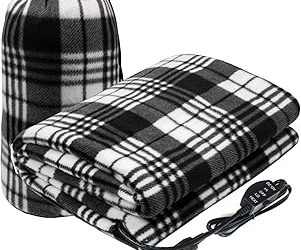
6 Best Car Heated Blankets (2026)A cold car is a storage problem before it’s a comfort problem.... 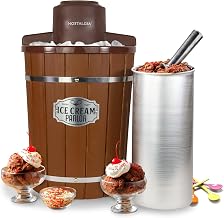
6 Best Old Fashioned Ice Cream Makers (2026)Choosing an old-fashioned ice cream maker sounds simple until you are comparing... 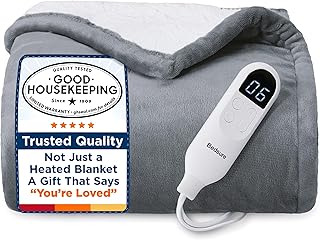
6 Best Price Heated Blankets (2026)In a 500-square-foot apartment, the thermostat is a blunt instrument. Turning it... 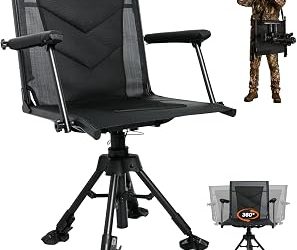
6 Best Swivel Hunting Chairs (2026)A hunting chair spends most of the year not hunting. It spends... 
6 Best Zero Gravity Camp Chairs (2026)Anyone who has tried to fit real relaxation into a 40-square-foot balcony... 
6 Best Ways To Install Pegboard (2026)A pegboard can turn an awkward wall into useful storage without consuming... |