Our Top Picks
The unique bookshelves that work best in small rooms are the ones that use height, corners or wasted wall above doors and windows rather than floor: vertical spine towers, revolving bookcases, above-door ledges, under-window benches and invisible floating shelves can each hold 30–150 books on 1–3 square feet of floor or none at all. The trick is matching the unusual shape to the spot you have and checking load and anchoring, because many eye-catching designs trade capacity for looks.
Quick Numbers for Planning
- Average paperbacks: about 12–15 per linear foot of shelf; hardcovers about 8–10.
- Books weigh roughly 15–25 lb per linear foot, so a 3 ft shelf of hardcovers can hold 60–75 lb.
- Shelf depth: 8 in covers most fiction; 10–12 in covers art books and large hardcovers.
- Walkway: keep at least 30–36 in of clear floor in front of any shelf you browse from.
Nine Designs Compared
| Design | Floor footprint | Typical height | Approximate capacity | Price range |
|---|---|---|---|---|
| Vertical spine / tower shelf | About 6 x 6 in to 12 x 12 in | 60–75 in | 30–60 books | $40–$200 |
| Revolving (rotating) bookcase | 16–20 in square | 30–64 in | 60–160 books | $100–$400 |
| Tree or branch shelf | 12–24 in or wall-mounted | 60–72 in | 25–50 books | $60–$250 |
| Invisible floating book shelf | None | Wall-mounted | 8–15 books per bracket | $15–$40 each |
| Above-door ledge | None | Mounted 6–12 in over door trim | 25–40 books per 36 in | $30–$100 or DIY |
| Under-window bench shelf | 36–60 in x 14–18 in | 16–20 in | 60–120 books | $150–$500 |
| Staircase or step bookcase | 24–40 in x 12 in | 30–60 in, stepped | 50–100 books | $80–$300 |
| Ladder (leaning) shelf | 20–30 in x 12–18 in at base | 60–72 in | 40–80 books | $60–$250 |
| Picture-ledge book display | None | Wall-mounted | 15–25 books face-out per 36 in | $20–$60 |
The Designs in More Detail
Vertical spine or tower shelves
These are a narrow upright with small ledges that books stack on horizontally, so the column looks like it’s made of books. The Sapien bookcase from Italian maker Magis is the best-known design of this type; many lower-cost versions copy the idea. They fit beside a door frame, at the end of a sofa or between a bed and wall. The trade-off is access: pulling a book from the middle of a stack is awkward, so they suit display collections more than daily reading piles. Anchor any tower over 48 in tall to the wall.

VASAGLE Tree Bookshelf, 9 Tiers, 15 x 7.9 x 45.4 Inches | Tree Shelf, Floor Standing Book Shelf, for Bedroom, Living Room, Cloud White, CUSTOS Collection ULBC609WB01
Chosen because it specifies 9 Tiers and 15 x 7.9 x 45.4 Inches.
View on Amazon
VASAGLE Tree Bookshelf, 9 Tiers, 15 x 7.9 x 45.4 Inches | Tree Shelf, Floor Standing Book Shelf, for Bedroom, Living Room, Rustic Brown, CUSTOS Collection ULBC609KD01
Chosen because it specifies 9 Tiers and 15 x 7.9 x 45.4 Inches.
View on Amazon
VASAGLE Tree Bookshelf, 9-Tier Book Tree, Space-Saving Corner Shelf | Bookcase, Holds Books, CDs, Games, for Bedroom, Living Room, Home Office, Rustic Brown, Custos Collection ULBC11BX
Chosen because it specifies 9-Tier Book Tree and Space-Saving Corner Shelf.
View on Amazon
TUTOTAK Bookshelf, 6-Tier Tall Narrow Book Shelf for Small Space | 10.7 x 14.5 x 65.3 Inches Skinny Display Shelf with Storage for Living Room, Office, Study, Entryway, Olive Green BS01BOG006
Chosen because it specifies 6-Tier Tall Narrow Book Shelf for Small Space and Office.
View on AmazonRevolving bookcases
A rotating cube holds books on four faces, so a 16–20 in footprint gives you the shelf length of a much wider bookcase. They are good in a corner beside a reading chair, where you can spin the face you want toward you. The bearings are the weak point; look for a stated weight limit and expect cheaper units to wobble once loaded above about 80–100 lb. Leave 4–6 in of clearance around the unit so corners don’t hit the wall as it turns.
Tree and branch shelves
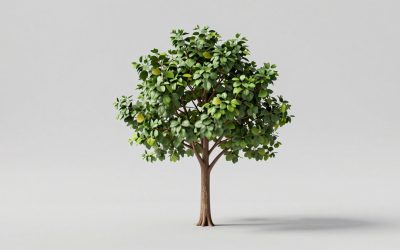
Sculptural freestanding or wall-hung shelves with shelves angled like branches. They look striking in a kid’s room or entry, but angled shelves hold fewer books and the books lean. Treat these as a display piece for 25–50 favorites, not main storage.
Invisible floating book shelves
A metal L-bracket slides into the back cover of the bottom book, and the stack appears to float. Umbra’s Conceal shelf is a widely sold example. Each holds a short stack of roughly 15–20 lb, and installation into a stud or with suitable anchors is essential. Three or four staggered on a narrow wall create a feature without any floor use.
Above-door ledges
The wall space above a door is one of the most overlooked places in a small room. A 6–8 in deep shelf on brackets, mounted a few inches above the trim, holds a full row of paperbacks. Because you need a step stool to reach it, use it for books you’ve finished and want to keep. Fix brackets into the header framing or studs on either side of the door.
Under-window bench shelves
A low bookcase under a window doubles as a seat if the top is 16–20 in high and deep enough to sit on (14–18 in). It keeps sightlines open and doesn’t block light. Check radiator or heating vent positions first; books stored over a vent dry out and warp.
Staircase and step bookcases
These step up like stairs, which suits sloped ceilings, the space under a staircase or the end of a bed. The stepped top creates display ledges, and the lower deep cubes hold larger books.
Which Design for Which Room
| Room situation | Best pick | Why |
|---|---|---|
| Studio apartment, renter | Revolving bookcase or ladder shelf | No wall drilling, big capacity per square foot |
| Small bedroom, 10 x 10 ft | Above-door ledge plus a spine tower by the bed | Uses dead wall and a narrow gap |
| Kids’ room | Picture-ledge display at 24–48 in high | Covers face out, easy for kids to choose and return |
| Room with a big window | Under-window bench bookcase | Storage plus seating, keeps light |
| Attic room with sloped ceiling | Staircase bookcase | Steps follow the roofline |
| Narrow hallway | Invisible floating shelves or 8 in deep wall shelves | Keeps a 36 in walkway |
| Large collection, little space | Floor-to-ceiling 8–10 in deep shelves on one wall | Unglamorous but holds 300+ books on 7–8 sq ft |
Materials and What Wears First
| Material | Common in | Safe span for books | Weak point |
|---|---|---|---|
| Solid wood (3/4 in) | Bench, ladder, step bookcases | About 32–36 in | Price and weight |
| Particleboard or MDF | Revolving and step bookcases | About 24–30 in | Sags over time; cam locks loosen |
| Powder-coated steel | Spine towers, invisible shelves, ladder frames | N/A (small ledges) | Thin ledges can bend if overloaded |
| Bamboo | Ladder and leaning shelves | About 24–30 in | Slats can split at joints |
Safety and Setup
- Anchor tall pieces. Any freestanding shelf taller than about 30 in should be secured to the wall, especially in homes with children.
- Load bottom up. Heaviest books go low; light objects and paperbacks high.
- Check wall type. Plaster, drywall and masonry each need different anchors. Use studs where possible for any shelf over 20 lb.
- Measure the path in. Pre-assembled revolving and bench bookcases may not turn through a 30 in doorway; many ship flat-packed in 40–70 lb boxes.
A small room can hold a serious book collection when the shelving works with the room’s shape. Combine one unusual statement piece with plain, shallow wall shelving for capacity, and you get both the look and the storage.