
Key takeaways
- Wool is a leading material for a warm traditional blanket because its fibers trap insulating air. Down offers excellent warmth for its weight, but usually fills a comforter rather than a woven blanket. To answer what is the warmest blanket…
Wool is a leading material for a warm traditional blanket because its fibers trap insulating air. Down offers excellent warmth for its weight, but usually fills a comforter rather than a woven blanket. To answer what is the warmest blanket material, look at loft and construction, not fiber names alone.
As an Amazon Associate we earn from qualifying purchases.
By KK Home Furnishings Editorial Team
Which Blanket Materials Insulate Best?
Sleep Foundation identifies wool as an especially insulating option for a winter blanket, while fleece provides a softer, often easier-care synthetic alternative [Sleep Foundation, 2026]. Down belongs in the conversation only when a filled blanket or comforter is acceptable. A thin wool throw may still be less insulating than a much loftier fleece blanket; these categories are not standardized warmth grades.
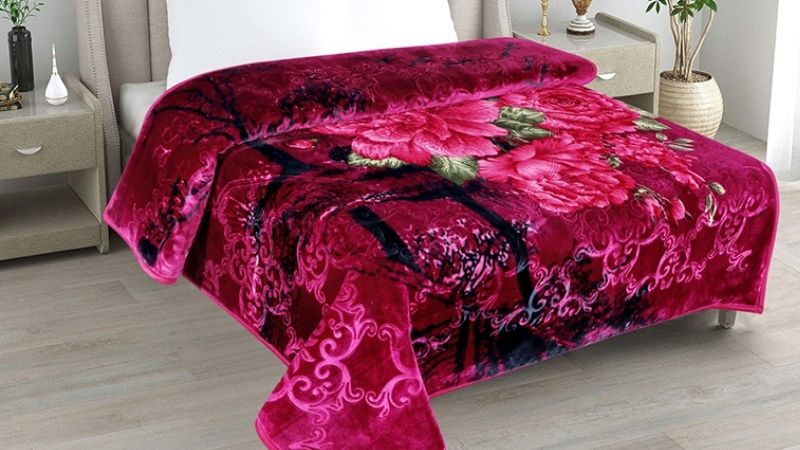
This guide compares fiber properties, blanket construction, care instructions, and typical home uses using Sleep Foundation, Woolmark, REI, and manufacturer guidance reviewed as of October 2026. It is a synthesis of published material, not detailed research or a measured ranking of particular products. No single fiber can promise the warmest result across different fabrics and room conditions.
| Material or Construction | Warmth Character | Main Trade-off | Practical Use |
|---|---|---|---|
| Woven wool | Strong natural insulation with moisture-vapor management | Can feel coarse; care may be restrictive | Cold rooms and traditional bed blankets |
| Polyester fleece | Soft, lightweight insulation from brushed pile | May feel less airy and develop static | Washable throws and everyday layering |
| Sherpa or plush polyester | Cozy pile can trap substantial air | Bulk and heat retention vary by backing and thickness | Sofa throws and plush winter layers |
| Down-filled comforter | High loft and warmth relative to weight | A filled covering, not a simple woven blanket; needs careful drying | Warm, relatively light top bedding |
| Cotton or cotton blend | Varies widely with weave and layers; often breathable | Lightweight styles may not insulate enough alone | Mild rooms and underlayer comfort |
| Cashmere or fine wool | Insulating with a softer hand in some constructions | Often requires more careful handling; higher cost possible | Soft wool throws when texture matters |
Fiber Structure Determines How Air Is Trapped
A blanket slows the escape of body heat largely by holding relatively still air within its fibers and fabric structure. Wool fibers have a natural crimp that forms small insulating air pockets [Woolmark, accessed October 2026]. Brushed polyester fleece creates a different kind of air-holding pile. Both can be warm, yet the actual amount of fiber and air in a finished blanket remains crucial.
Down works differently from either woven wool or fleece. The clusters are loose fill held within a shell, producing lofty compartments of trapped air. REI describes down as particularly efficient in warmth relative to its weight for insulated products [REI, accessed October 2026]. That advantage is about a constructed filled item, not proof that any thin down product defeats every dense woven blanket.
Loft, Weave, and Coverage Change the Outcome
A fabric label alone says little about how densely a blanket is woven, how high its pile stands, or whether the finished piece covers the sleeper without large gaps. Sleep Foundation cautions that thicker does not automatically mean warmer; the fiber and construction change insulation [Sleep Foundation, 2026]. A smooth, light cotton layer and a heavily brushed fleece can behave very differently despite sharing the same dimensions.
Look for descriptions of brushed pile, loft, multiple fabric layers, and intended season, then examine photos that show the actual construction rather than only the bed styling. A blanket that ends too high on the shoulders or shifts off the feet will offer less useful coverage. For a bed, check finished width and length; a decorative couch throw may not provide the coverage expected of full bedding.
Moisture and Airflow Shape Overnight Comfort
Warmth and comfort are not identical. Wool absorbs moisture vapor into its fiber structure while retaining useful insulation, a property explained by Woolmark [Woolmark, accessed October 2026]. Fleece is often warm and quick to dry, but some synthetic piles can feel less breathable against the sleeper. The difference may matter when someone becomes warm under multiple bed layers.
A blanket can hold heat effectively and still be the wrong choice for a person who frequently throws off the covers. Sleep Foundation notes that fabric, weave, and individual temperature preference influence winter comfort [Sleep Foundation, 2026]. Instead of treating breathability as the opposite of warmth, consider whether the bedding can keep you comfortably warm without trapping more heat than you want.
Six Situations and the Material That Usually Fits
The useful question is not simply which fabric wins a universal warmth contest. It is which construction supplies appropriate insulation, touch, weight, and cleaning effort in your setting. The situations below use material behavior as a starting point, while acknowledging that individual blankets vary in thickness, weave, size, and care requirements.
You Need a Traditional Blanket for a Cold Bedroom
Start with a substantial wool blanket if you want a single traditional textile layer for a chilly bedroom. Wool offers insulating fiber structure without requiring an electric controller or a synthetic high-pile finish. Sleep Foundation describes wool as one of the warmest options in this category [Sleep Foundation, 2026]. Select an actual bed-size blanket rather than assuming a compact wool throw is enough.
Check how the fabric feels on skin and whether it can be cleaned with your available equipment. Coarser wool may be uncomfortable without a sheet between you and the blanket. The warmest practical option is one you can keep properly positioned all night and maintain as directed, not the heaviest wool item in a catalog.
You Want High Warmth Without a Heavy Top Layer
A down-filled comforter is worth considering when low weight matters as much as warmth. Down can achieve good insulation from lofty clusters, which is why REI emphasizes its warmth-to-weight advantage in insulated gear [REI, accessed October 2026]. Bedding manufacturers offer comforters in different fill weights and constructions, however, so down alone does not guarantee an especially warm finished comforter.
Read the actual warmth designation, fill weight, shell construction, and laundering instructions for the item. A fluffy photograph is not a thermal rating, and a high fill-power number alone does not describe how much down is inside. This recommendation also changes the product category: choose it only if a filled comforter, rather than a flat woven blanket, suits your bed.
Your Household Needs Frequent, Simple Washing
Polyester fleece is a sensible option for blankets used on the sofa, in kids’ rooms, or around pets. Many fleece products can be machine washed and tend to dry more readily than bulkier traditional wool blankets, although each label controls the actual method [Sleep Foundation, 2026]. A thick enough fleece can provide useful warmth, and its soft hand may appeal to people who dislike coarser woven wool.
Do not assume every fuzzy blanket can withstand hot washing or high dryer heat. Follow the maker’s temperature and drying directions to reduce damage to the pile. If a blanket needs constant cleaning, a slightly less insulating material that survives your normal laundry routine can be a more practical choice than an item you hesitate to wash.
The Room Feels Cool but You Tend to Overheat Later
Choose a wool option with a lighter construction, or use a more breathable base layer that you can adjust during the night. Wool’s moisture-vapor behavior can help manage the feeling of dampness, but a very thick wool blanket can still make a warm sleeper uncomfortable [Woolmark, accessed October 2026]. A light, breathable arrangement may serve you better than the maximum available insulation.
Try changing the number of layers before replacing all your bedding. If you remove one top layer easily when warm, you can keep a cooler setup without surrendering all coverage. Cotton is generally less insulating on its own than winter wool, but it can be useful within a layered system. The decision here is control over warmth, not winning a material contest.
You Want a Plush Throw for the Couch
Consider a thick fleece, sherpa-style polyester, or faux-fur throw when surface softness and immediate coziness matter most. The raised pile can hold air close to the body, and these designs often drape comfortably across the lap and shoulders. The words “sherpa” and “faux fur” describe a texture or construction more than a measured insulation level; compare the actual product rather than trusting the label alone.
A very deep pile may feel cozy but can also be bulky and harder to shake free of lint or pet hair. Check whether the throw has one plush side or a thicker two-sided construction, and whether its dimensions cover both your shoulders and legs when seated. If you need uninterrupted warmth through a full night of sleep, a bed-size layer is usually more appropriate.
You Need Extra Warmth Without Replacing Your Bedding
Keep your existing comforter and add a separate wool or fleece blanket if the top layer is otherwise comfortable but not quite insulating enough. A removable layer provides flexibility across changing room conditions. Choose wool when you value its natural insulation and moisture behavior; choose fleece when softness and easier laundering are the stronger priorities [Sleep Foundation, 2026].
Place the extra blanket so it stays spread across the areas that actually feel uncovered, rather than folding a small throw into a narrow strip. Layering can change the way a bed feels without requiring an entirely different filled insert. Avoid compressing lofty down bedding beneath an unnecessarily heavy additional layer, since down performs best when it can maintain its loft [REI, accessed October 2026].
Frequently Asked Questions
These answers cover material labels and care details that are easy to misread while comparing blanket fabrics. They are not blanket-specific test results, so check a product’s own construction information before treating any descriptive term as a performance promise.
Are Acrylic Blankets a Warm Winter Option?
They can be. Acrylic is a synthetic fiber used in some traditional blankets, and Sleep Foundation includes acrylic among materials that may provide substantial warmth [Sleep Foundation, accessed October 2026]. A tightly constructed acrylic blanket may work well for cool conditions, but there is no dependable warmth ranking based on the word “acrylic” alone.
Check the knit or weave, blanket thickness, size, and laundering label just as you would for wool or polyester. Acrylic can be prone to pilling in some constructions, so appearance after repeated use is another relevant trade-off. Treat acrylic as a viable alternative when a particular blanket meets your needs, not an automatic substitute for every wool design.
Does Merino Wool Have to Feel Scratchy?
No. Merino wool is often made with relatively fine fibers, which can bend more readily against the skin than coarser wool. Woolmark explains that finer Merino fibers help reduce prickle sensation [Woolmark, accessed October 2026]. That makes Merino a useful material to examine if you want wool insulation but dislike the feel of a traditional coarse blanket.
Comfort still depends on yarn, weave, finishing, and the individual person. The Merino name is not a guarantee that every finished throw will feel silky, and a soft cashmere blend is not automatically the warmest option. If possible, evaluate fabric texture and return terms before purchasing a blanket you plan to wear directly against bare skin.
Is a Blanket Labeled Thermal Automatically Warmer?
Not necessarily. “Thermal” may describe a textured weave, an intended winter use, or a manufacturer’s marketing terminology. The word does not by itself identify a particular tested insulation value. Two blankets carrying that label can differ markedly in fiber content, thickness, airflow, and finished weight, so the name alone cannot resolve which one is warmer.
Look for a clear description of construction and any documented warmth testing, including what was measured and under which conditions. When that information is absent, compare material, loft, intended use, and care instead of inventing a numeric warmth score. This is particularly useful when the choices involve different fabrics or a filled product against a flat blanket.
Can a Wool-Blend Blanket Still Be Warm?
Yes. A wool blend can still provide useful insulation, but the result depends on its fiber proportions and construction. Some blends combine wool with synthetic fibers to change hand feel, durability, or care; they should not be assumed identical to pure wool. Read the fiber label rather than inferring composition from a product name or a photograph of a fuzzy surface.
A well-constructed blended blanket may feel warmer in use than a thin pure-wool throw, while a blend with little wool may not reproduce all of the fiber’s moisture behavior. Choose based on how the whole textile works: loft, weave, size, touch, and care. The fiber percentage is evidence of composition, not a complete prediction of warmth.
Final Thoughts
For a traditional winter blanket, wool is a strong default because its fibers insulate while managing moisture vapor. Choose plush fleece when low-fuss washing and soft texture matter more, and consider a down-filled comforter when the goal is high warmth without a heavy top layer. Whatever the label, compare finished construction, coverage, and care directions. The warmest useful blanket is the one that keeps your bed comfortably covered without creating an unwanted trade-off.
