Key takeaways
- Natural and Chemical-Free Pest Control: Aromatic cedar continuously secretes volatile plant oils that naturally disrupt the olfactory receptors of clothes moths and carpet beetles. This prevents pests from feeding on natural fibers without exposing your living space to harsh, toxic chemical pesticides like naphthalene or 1,4-dichlorobenzene found in traditional mothballs.
- Moisture Regulation and Odor Absorption: Unsealed cedar is highly porous, allowing it to act as a natural desiccant. It absorbs excess moisture from ambient drawer air, reducing local humidity levels to help prevent the development of mildew, mold, and stale, musty smells in stored garments.
- Indefinite Lifespan via Easy Maintenance: Chemical pest treatments evaporate completely over time and must be continuously bought and replaced. In contrast, genuine cedar wood lasts for decades; when the surface scent eventually fades, a light sanding re-exposes open wood pores and reactivates the natural oils instantly.
- Long-Term Value Protection for Fine Apparel: Repairing or replacing a single moth-eaten cashmere coat or tailored wool suit can easily cost $300 to $1,000. Investing in cedar storage pays for itself by safeguarding delicate textiles against irreversible pest damage over years of off-season storage.
What's inside
The Short Answer
Determining whether cedar lined dressers are worth it for clothes storage depends almost entirely on one single factor: whether you routinely store high-value natural fibers like wool, cashmere, silk, or down for long periods. If your closet is filled with fine wool suits, expensive hand-knitted sweaters, or delicate heirloom linens, a cedar lined dresser is a worthwhile investment that protects thousands of dollars in clothing from insect damage. However, if your everyday wardrobe consists primarily of cotton, denim, and synthetic activewear, paying a 30% to 60% price markup for cedar lining is an unnecessary expense. For most homeowners evaluating bedroom organization in 2026, targeted cedar inserts or standalone storage chests deliver identical pest-repelling benefits at a fraction of the cost of a fully lined dresser.
What You Actually Get
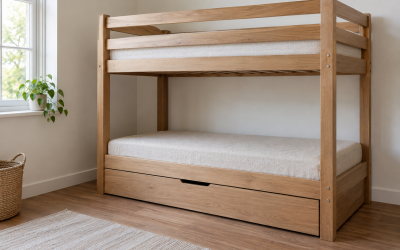
When shopping for a dresser advertised as “cedar lined,” many consumers assume the entire piece of furniture is built from solid cedar wood. In reality, constructing a full dresser from solid cedar would make the piece structurally weak, overly soft, and prone to severe warping under normal household humidity shifts. High-quality furniture manufacturers instead build the exterior frame out of sturdy hardwoods like oak, maple, or cherry, and reserve unsealed aromatic cedar for the interior panels of the drawers.
As an Amazon Associate we earn from qualifying purchases at no extra cost to you. Product prices and availability are accurate as of the date shown and are subject to change.

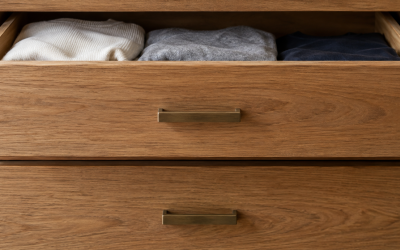
In standard high-end casegoods, you will typically find 1/16-inch to 1/4-inch aromatic cedar tongue-and-groove planking or cedar veneers installed across the bottom or rear walls of the lower drawers. The species used is almost exclusively Eastern Red Cedar (Juniperus virginiana), an aromatic softwood rich in natural organic volatile compounds, particularly thujone and cedarol. These microscopic oils vaporize slowly into the enclosed air of a closed drawer, creating an environment that deters web-spinning clothes moths, carpet beetle larvae, and silverfish from settling and laying eggs.
A standard six-drawer bedroom dresser featuring cedar lining in its bottom drawers typically spans 54 to 64 inches in width, 18 to 22 inches in depth, and 32 to 38 inches in height, weighing between 120 and 190 pounds empty. In contrast, dedicated accent storage chests feature smaller footprints, typically measuring 38 to 44 inches wide, 16 to 18 inches deep, and 18 to 20 inches high, weighing around 40 to 65 pounds.
Crucially, genuine protective cedar lining must remain completely raw and unsealed. If a furniture maker coats the interior cedar boards with lacquer, varnish, or clear polyurethane sealants, the wood’s pores become permanently blocked. Sealed cedar retains a faint faint reddish color, but it loses 100% of its volatile oil emission, rendering the feature purely cosmetic rather than functional.
Pros
- Natural and Chemical-Free Pest Control: Aromatic cedar continuously secretes volatile plant oils that naturally disrupt the olfactory receptors of clothes moths and carpet beetles. This prevents pests from feeding on natural fibers without exposing your living space to harsh, toxic chemical pesticides like naphthalene or 1,4-dichlorobenzene found in traditional mothballs.
- Moisture Regulation and Odor Absorption: Unsealed cedar is highly porous, allowing it to act as a natural desiccant. It absorbs excess moisture from ambient drawer air, reducing local humidity levels to help prevent the development of mildew, mold, and stale, musty smells in stored garments.
- Indefinite Lifespan via Easy Maintenance: Chemical pest treatments evaporate completely over time and must be continuously bought and replaced. In contrast, genuine cedar wood lasts for decades; when the surface scent eventually fades, a light sanding re-exposes open wood pores and reactivates the natural oils instantly.
- Long-Term Value Protection for Fine Apparel: Repairing or replacing a single moth-eaten cashmere coat or tailored wool suit can easily cost $300 to $1,000. Investing in cedar storage pays for itself by safeguarding delicate textiles against irreversible pest damage over years of off-season storage.
Cons
- Significant Upfront Cost Premium: Full-sized bedroom dressers with built-in cedar drawer lining range from $600 to well over $1,800, representing a $200 to $500 markup over comparable non-cedar hardwood or engineered wood dressers.
- Risk of Resin and Oil Transfer: Raw aromatic cedar contains natural sap and concentrated essential oils. If fine silks, delicate white cottons, or sheer linens rest directly against raw cedar boards, dark yellowish oil stains can transfer permanently into the fabric fibers.
- Requires Periodic Physical Maintenance: The natural surface oils on unsealed cedar wood gradually oxidize and dry out after 3 to 7 years. Homeowners must physically clear out the drawers and sand the interior wood with fine-grit sandpaper to keep the pest-deterrent scent active.
- Preventative, Not an Eradication Tool: Cedar oils act strictly as a repellent against incoming pests. Cedar wood does not produce a high enough concentration of vapor to kill mature moth larvae or wipe out an existing, active insect infestation that has already taken root in contaminated garments.
Who Should Buy It
A cedar lined dresser is a smart, worthwhile purchase if you own an extensive wardrobe of high-value natural textiles—such as cashmere knits, fine merino wool, tailored suits, alpaca garments, or vintage quilts—and want a permanent, luxury furniture piece that keeps them safe year-round. It is best suited for homeowners who prefer built-in, chemical-free garment care and plan to keep their bedroom furniture for a decade or more.
Who Should Skip It
You should skip buying a full cedar lined dresser if your closet consists mostly of synthetic fabrics, cotton t-shirts, denim, and modern athleisure wear, none of which serve as a food source for clothes moths or carpet beetles. Budget-focused shoppers, frequent movers who prefer lightweight furniture, and anyone unwilling to perform periodic manual sanding every few years will get better value from standard dressers paired with modular cedar accessories.
Cheaper Alternatives
You do not need to replace your entire bedroom set to get the protective perks of aromatic red cedar. Modular accessories and standalone storage chests deliver identical chemical pest control at a significantly lower entry cost.
| Option | Cost | Trade-off |
|---|---|---|
| Aromatic Cedar Blocks & Chips | $10 – $20 | Takes up loose space inside drawers; smaller surface area requires more frequent sanding (every 12–18 months). |
| Standalone Cedar Storage Chests | $130 – $250 | Requires dedicated floor space; lacks vertical drawer organization for smaller, everyday items. |
| Hanging Cedar Planks & Closet Rings | $12 – $25 | Designed primarily for hanging closet rods; provides lower aromatic concentration inside enclosed drawers. |
| Airtight Plastic Bins + Cedar Inserts | $15 – $35 | Lacks furniture aesthetics; non-breathable plastic can trap moisture if clothes are not 100% dry before sealing. |
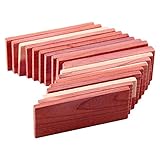
For simple drawer protection, adding a pack of solid cedar chips—such as a 16-piece set of aromatic cedar blocks priced around $11.19—into your existing standard dresser drawers provides direct, localized pest resistance. If you need dedicated seasonal storage for heavy winter coats and blankets, a standalone accent unit like a cherry-finished cedar chest (typically costing around $132.99 and weighing roughly 45 pounds) offers a dedicated, high-capacity cedar environment without forcing you to spend $1,000+ on a full bedroom dresser upgrade.
FAQ
How long does the protective scent last in a cedar lined dresser?
Inside a closed drawer, unsealed cedar wood retains its effective aromatic scent for approximately 3 to 7 years. Over time, surface exposure to air causes the volatile oils to crystallize and dry out. You can instantly restore the original strength and aroma by lightly sanding the interior cedar boards with fine 220-grit sandpaper to break through the oxidized layer and reopen the wood’s natural pores.
Can natural cedar oils stain expensive silk or light-colored clothing?
Yes, raw aromatic cedar contains active resins and essential oils that can seep out of the wood grain and transfer onto delicate fabrics upon direct, prolonged contact. This can leave yellowish oil spots on white cottons, sheer linens, or fine silks. To prevent staining, line the bottom of your cedar drawers with acid-free tissue paper, clean cotton shelf liners, or washed muslin cloth before storing delicate garments.
Is Eastern Red Cedar better than Spanish Cedar for clothing storage?
Yes, Eastern Red Cedar (Juniperus virginiana) is superior for clothing storage because it contains significantly higher concentrations of natural thujone oils, which actively repel moths and carpet beetles. Spanish Cedar (Cedrela odorata) is actually a hardwood with a milder aroma, primarily used to line cigar humidors due to its ability to handle extreme humidity without warping, rather than its insect-repelling power.
Do cedar lined dressers work better than synthetic mothballs?
Cedar lined dressers work far better as a safe, long-term preventative measure than chemical mothballs. While mothballs use toxic chemicals like naphthalene to kill insects in completely sealed spaces, they emit hazardous fumes and leave strong, lingering chemical odors in clothing that require professional dry cleaning to remove. Cedar offers a natural, safe aroma that repels pests continuously without leaving toxic residues on your clothes.