Key takeaways
- Best Storage Shelves For Garage (2026)
- 8 Best Under-Bed Storage Bins for Queen Size Mattresses 2026
- How to Repair Broken Plastic Drawers in Closet Organizer (2026): Step-by-Step
- How to Remove Mold From Wood Closet Shelves (2026): Step-by-Step
- Standard Distance Between Closet Shelves for Folded Clothes Size Guide With Measurements (2026)
What's inside
Organizing a reach-in or walk-in closet usually comes down to one critical decision point on your shelving units: choosing fabric storage bins vs plastic bins for closet shelves. Whether you are standardizing a master closet outfitted with custom 14-inch laminate built-ins or optimizing basic 12-inch wire shelving in a hall closet, the container material you select dictates how your storage functions day to day.
The choice is rarely purely aesthetic. While fabric bins offer a soft, upholstered look that visually simplifies busy wardrobe items, plastic containers deliver rigid structural protection, moisture defense, and instant visual identification. Choosing incorrectly can lead to sagging shelf inserts, creased garments, hidden clutter, or wasted vertical clearance. Understanding how these two distinct storage media perform under weight, handle daily pulling, and age over time will help you build an efficient, stress-free closet organization system.
As an Amazon Associate we earn from qualifying purchases at no extra cost to you. Product prices and availability are accurate as of the date shown and are subject to change.


Quick Verdict
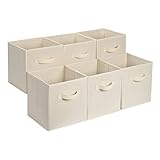
Fabric storage bins are the best choice for upper closet shelves, clothing accessories, linens, and nurseries. Their soft construction, light weight, and opaque walls hide visual clutter while providing an inviting, textile-rich appearance. Popular multi-packs—such as the STORAGE MANIAC Storage Cubes, 11 Inch 6 Pack Collapsible Fabric Shelf Bins (priced around $16.99) or the slightly larger Amazon Basics Collapsible Fabric Storage Cube Bins Organizer with Handles for Organization and Organizing Solution, 13″x13″x13″, Beige, 6-Pack (around $22.93)—offer exceptional value for storing soft goods like sweaters, scarves, and extra bedding.
Plastic storage bins are superior for lower shelves, high-humidity master closets, footwear, toiletries, and heavy gear. Rigid plastic containers—such as the caktraie 5 Pack Stackable Closet Storage Basket – Stackable Storage Bins (around $35.95) or transparent options like the YIHONG 6 Pack Clear Storage Bins, Pantry Organizer Bins with Handle, Large (around $22.99)—excel at vertical stacking, protect against spills, and allow you to inspect contents immediately without pulling every bin off the shelf.
Side by Side
Comparing fabric storage bins vs plastic bins for closet shelves highlights clear differences in material construction, load limits, and long-term performance across typical closet environments.
| Feature | Fabric Storage Bins | Plastic Storage Bins |
|---|---|---|
| Primary Materials | Non-woven polypropylene, canvas, fiberboard inserts | Polypropylene (PP), PET plastic, or clear acrylic |
| Average Set Price | $15.00 – $25.00 (6-pack sets) | $20.00 – $40.00 (5 to 6-pack sets) |
| Weight Limit per Bin | 10 to 15 lbs maximum | 25 to 45+ lbs depending on wall thickness |
| Stacking Capability | Poor (bulges under heavy upper loads) | Excellent (rigid bases, interlocking lids, or frames) |
| Unused Storage Space | Folds flat down to ~1 inch depth | Requires physical footprint; nests inside empty bins |
| Maintenance & Cleaning | Spot clean only; sensitive to liquid spills | 100% washable with warm water and soap |
| Contents Visibility | Opaque; requires physical labeling | High (clear or semi-translucent walls) |
| Moisture & Dust Resistance | Breathable, but vulnerable to humidity and odors | Impermeable; complete protection against spills and moisture |
| Shelf Tactility & Look | Soft, warm, tailored, hides inner mess | Modern, structured, utilitarian, clean |
| Best Suited For | Sweaters, tees, plush items, baby clothes, accessories | Shoes, handbags, beauty bottles, hardware, heavy jeans |
Where Fabric Storage Bins Wins
Fabric storage bins shine in spaces where tactile warmth and visual calming are top priorities. Closet shelves full of mismatched socks, workout apparel, or swimsuits can make a wardrobe feel chaotic. Because fabric bins feature fully opaque sidewalls made from canvas or non-woven fabric stretched over rigid card or dense fiberboard, they completely conceal internal disorganization, presenting a clean, unified facade across your shelf lines.
Another major advantage is safety and light ergonomics on higher closet shelves. Overhead shelves set at 6 or 7 feet high can be awkward to reach. Reaching up to pull down a 13-inch fabric cube packed with winter scarves poses zero risk of injury or shelf scratching if it slips out of your reach. The soft exterior slides smoothly over wire shelving, painted wood, and laminate built-ins without chipping or leaving harsh drag marks.
When seasonal closet rotations occur, fabric bins offer unrivaled space efficiency. Standard collapsible fabric bins feature a removable bottom support card. Removing this card allows the entire bin to fold completely flat into a sleek 1-inch slice. If your summer wardrobe takes up less shelf real estate and you want to open up your shelves, you can fold four to six fabric bins flat and tuck them behind hung coats or slide them under a dresser.
Fabric bins also lead on upfront affordability. High-volume 6-pack options, like the 11-inch STORAGE MANIAC Storage Cubes or 13-inch Amazon Basics Collapsible Fabric Storage Cube Bins, allow you to organize an entire closet for under $25, making them ideal for rapid home organization projects.
Where Plastic Bins for Closet Shelves Wins
Where fabric bins offer soft charm, plastic bins provide structural discipline, unmatched strength, and long-term durability. When evaluating fabric storage bins vs plastic bins for closet shelves holding heavy items—such as leather boots, dense denim jeans, handbags, or spare hardware—plastic containers win decisively. A quality plastic bin will never bow, stretch, or warp outward under a 20-pound load, whereas fabric bin side walls bulge over time when packed tight.
True vertical stacking is another distinct advantage of plastic construction. Closet designs often leave generous 16-to-18-inch vertical gaps between shelves, leading to wasted overhead clearance. Plastic systems, like the caktraie 5 Pack Stackable Closet Storage Basket, allow you to stack bins securely two or three units high without crushing lower contents. This effectively doubles your usable shelf space without requiring additional shelf brackets.
Plastic bins are also unequaled in humidity control, liquid safety, and maintenance. In ensuite master closet setups connected directly to primary bathrooms, steam and humidity can permeate fabric bins, leaving cardboard inserts soft and prone to absorbing ambient odors. Non-porous polypropylene and acrylic plastic bins form an impenetrable moisture barrier. If a bottle of hair oil, lotion, or liquid detergent leaks, a plastic container holds the spill safely inside. Cleaning takes seconds with a damp micro-fiber cloth or direct rinsing in the sink.
Finally, clear plastic options, such as the YIHONG 6 Pack Clear Storage Bins, save significant search time. Being able to inspect shoe types, clutch colors, or belt styles instantly through transparent bin walls eliminates the need to pull down and search through every bin on the shelf during busy morning routines.
Cost Over 5 Years
While fabric storage bins feature lower purchase prices upfront, analyzing their long-term cost over a 5-year window paints a more accurate picture of home investment value.
Fabric storage bins generally cost between $15 and $25 for a set of six. However, under daily pull-and-push wear on wire or textured shelves, the fabric near bottom seams and handle grommets can begin to fray within 2 to 4 years. Furthermore, heavy items can cause internal cardboard inserts to bend permanently. Over a 5-year span, a frequently used closet line may require at least one replacement set, bringing total fabric bin spend to $35 – $50 per shelf run.
Plastic bins require a slightly higher initial investment—typically $22 to $40 for a 5-to-6-pack set. However, high-density polyethylene, PET, and acrylic bins exhibit virtually no wear under normal indoor closet conditions. They resist cracking, do not bow under heavy weights, and are immune to moisture degradation. Over a 5-year timeline, plastic bins typically incur zero replacement costs, keeping total spend firmly capped at your initial purchase price of $22 – $40.
Which One for Your Home
Selecting the ideal storage container material depends heavily on your living arrangement, household members, and closet layout.
Small Apartment or Studio Closet
In compact living spaces where a single closet handles everything from outerwear to bedding, a hybrid setup works best. Use fabric storage bins on top shelves to hold lightweight linens, off-season clothing, and soft accessories while keeping visual clutter completely hidden. Use stackable plastic bins on lower shelves for shoe storage, vacuum attachments, and cleaning supplies to maximize vertical stacking and keep dirt isolated.
Family with Kids and Pets
Homes with young children and pets benefit immensely from plastic bins on all lower and mid-height shelves. Plastic containers withstand rough handling, resist pet hair accumulation, and can be disinfected easily after contact with muddy shoes or sticky fingers. Reserve fabric bins for upper shelves out of reach of young children to hold out-of-season clothing sizes or extra plush items.
Rental Property Closet
Renters dealing with standard builder-grade wire shelves should look closely at lightweight 11-inch or 13-inch fabric storage cubes. Products like the STORAGE MANIAC Storage Cubes or Amazon Basics Fabric Bins fit neatly into widely available cube shelving units and slide smoothly across wire grid shelves without snagging. Additionally, their fold-flat design makes moving to a new apartment at lease end effortless.
Long-Term Single-Family Home
For homeowners investing in built-in closet systems, rigid clear or frosted plastic storage bins offer a modern design aesthetic that stands up to decades of continuous use. Transparent bins like the YIHONG Clear Storage Bins or modular stackable systems like the caktraie Closet Baskets align neatly with high-end closet trends in 2026, delivering a clean display that keeps luxury shoes, accessories, and garments protected and easy to find.
FAQ
Can fabric storage bins handle heavy items like winter boots or jeans?
Fabric bins are generally not designed for heavy, dense objects. Most fabric bins utilize a light cardboard or thin fiberboard insert on the bottom that accommodates 10 to 15 pounds maximum. Placing heavy winter boots or multiple pairs of heavy denim jeans inside fabric bins can cause the bottom insert to bow, distorting the bin’s shape and accelerating handle wear.
Are clear plastic bins better than fabric bins for preventing closet moths and dust?
Yes. Rigid plastic bins with solid walls—especially those with fitted lids—provide superior defense against closet pests, dust mites, and moisture damage compared to breathable fabric bins. While fabric bins protect against top-down dust, their woven fiber construction remains permeable to moisture and ambient odors.
How do I clean fabric storage bins without ruining the cardboard structure?
Fabric storage bins should never be submerged in water or placed in a washing machine, as moisture degrades the interior cardboard core. To clean them safely, spot clean the exterior non-woven or canvas fabric using a damp microfiber cloth with mild detergent, then allow the bin to air dry completely before reinserting closet items.
What shelf depth is required for 11-inch vs 13-inch storage bins?
An 11-inch fabric or plastic bin fits easily on standard 12-inch deep wire closet shelves or 11-inch cube organizer systems. A 13-inch bin requires at least a 14-inch shelf depth or a dedicated 13-inch modular cube cabinet to sit completely flush without overhanging the front edge.