Key takeaways
- Generous dimensions: bigger towels offer room for two or for kids. Confirm size on the listing because labels differ.
- Corner pockets or a carry strap: optional, but useful for keeping a towel from blowing away or being dragged in sand.
- Fade-resistant dyes: sun and salt are hard on color. Reviews that mention fading are worth reading.
- Machine washable construction: sand and sunscreen require frequent laundering.
The best beach towel is large, absorbent enough to dry you off, and quick to shed sand and moisture. Many shoppers choose between plush cotton terry, lightweight Turkish-style cloth, and microfiber, depending on whether comfort or packability matters more. This guide is built from product research and general textile knowledge, not detailed research.
Think About the Beach Day First
A towel for a short stroll to the shore differs from one that has to survive a full day, a drive home in a damp bag, and a trip through the washer full of sand. Start with these questions. Will you lie on it, dry off with it, or both? How far do you carry it? Is your car or hotel room humid? Your answers point toward a weave more reliably than any listing headline.
Material and Weave Options
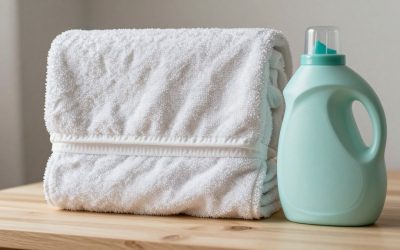
Cotton terry
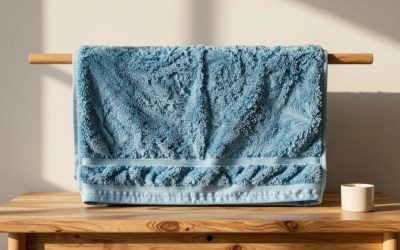
The familiar choice. Soft and absorbent, but it holds sand in its loops and takes longer to dry. A heavier terry feels luxurious on a lounge chair yet can be bulky in a tote.
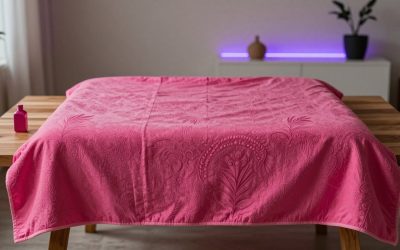
Velour-finish cotton
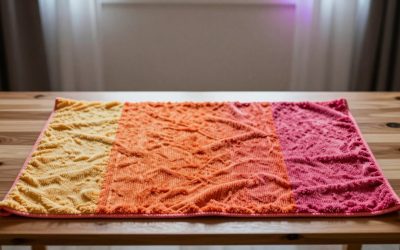
One side is sheared for a smooth look, often with printed designs. The printed side is less absorbent than the looped back, so you may find yourself flipping it depending on use.
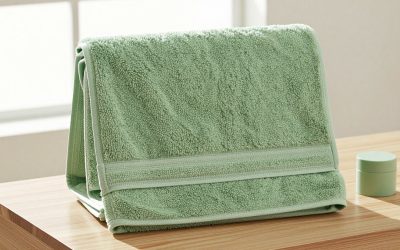
Turkish-style flat weave
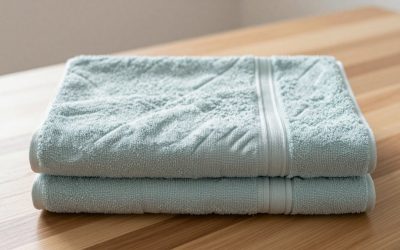
Thin, quick-drying, and easy to pack. Sand tends to shake out of smoother weaves with less effort, according to many buyer reports.
Microfiber
Compact and fast drying, though the feel is different from cotton. Some people love it for travel; others find it clingy.
Side-by-Side View
| Type | Sand behavior | Packs | Comfort on sand |
|---|---|---|---|
| Cotton terry | Collects in loops | Bulky | Cushioned |
| Velour-finish cotton | Sheds moderately | Medium | Smooth, decorative |
| Turkish-style | Sheds easily | Very small | Thin |
| Microfiber | Sheds easily | Very small | Thin, slightly slick |
Features Worth Having
- Generous dimensions: bigger towels offer room for two or for kids. Confirm size on the listing because labels differ.
- Corner pockets or a carry strap: optional, but useful for keeping a towel from blowing away or being dragged in sand.
- Fade-resistant dyes: sun and salt are hard on color. Reviews that mention fading are worth reading.
- Machine washable construction: sand and sunscreen require frequent laundering.
Where to Look
Start broad with oversized beach towels. If you want something that fits in a day bag, check quick-dry sand-resistant beach towels. For families, cotton beach towels for adults offer a more traditional feel. Note that “sand-free” is a marketing claim; no towel completely prevents sand, but smoother weaves tend to shake out more easily.
Laundry and Storage After the Beach
Shake sand out before bagging the towel. Rinse in cool water if you can, since salt and sunscreen build up. Wash separately from household towels, because sand can abrade other fabrics and clog drains. Dry fully before storing; a damp towel in a car trunk becomes musty quickly. Skip fabric softener, which reduces absorbency and traps sunscreen residue.
FAQ
Is thicker always better for the beach?
Not necessarily. Thick towels feel great but take longer to dry and weigh more. Many beach regulars favor lighter cloth for its convenience.
Do dark colors get hotter?
Dark fabrics absorb more heat in the sun, which some find uncomfortable on bare skin. Lighter shades tend to feel cooler.
How many should I bring?
One per person is usual. A spare helps if you plan to swim more than once or if you travel with children.
Pick the towel that fits how you travel and how you relax, and the beach will feel easier.