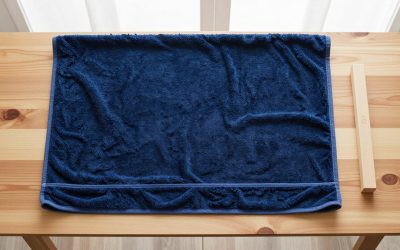
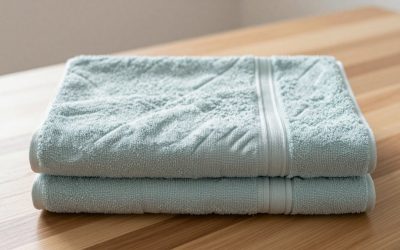
Reusable paper towels are washable cloth sheets, usually cotton, bamboo, or a cotton blend, that replace disposable rolls for most kitchen tasks. The best ones are absorbent, hold their shape in the wash, and come in a quantity large enough that you are never short on clean sheets.
Is Switching Worth It?
For many households, yes, but only if you will really wash them. Reusable sheets cost more upfront than a roll of disposables and require laundry. The payoff comes over months of use, as you stop buying rolls for everyday spills. If you rarely do laundry or want something to throw away after raw meat or chemical messes, a hybrid approach works well: cloth for general cleanup, a roll of disposables for the worst jobs.
Types of Reusable Sheets
| Type | How it feels | Strength | Weak point |
|---|---|---|---|
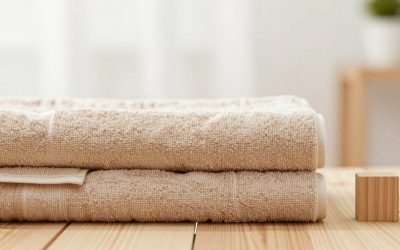
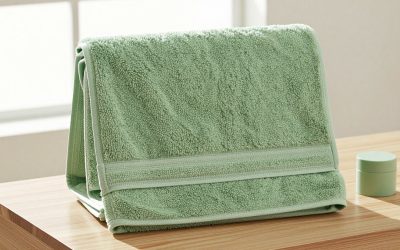
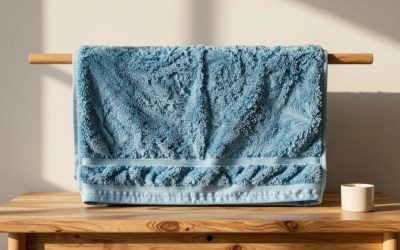
| Cotton terry-style | Thick, familiar | Very absorbent | Slow to dry |
| Bamboo-fiber sheets | Soft, slightly lighter | Absorbent and quick-ish drying | Check care label carefully |
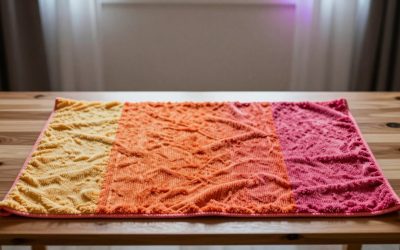
| Swedish dishcloth (cellulose and cotton) | Stiff when dry, floppy when wet | Holds a lot of water for its size | Can hold odors if not dried well |
| Microfiber cloths | Smooth, lightweight | Good on glass and counters | Not ideal for hot grease |
What to Look For
- Pack size: enough sheets to rotate through a week of use.
- Sheet dimensions comparable to your usual paper size.
- Roll format with snaps, if you like the paper-towel dispenser feel.
- Washable fabric with finished edges that will not fray.
- Colors that hide stains, because they will pick up some.
Who Each Type Suits
People new to reusables often start with cotton or bamboo sheets because they feel closest to paper. Households that clean a lot of glass and mirrors may prefer microfiber. Eco-minded renters with a small kitchen sometimes pick Swedish dishcloths since they dry flat and take little room. Families with young children may like a roll with snaps so the dispenser is easy to use one-handed.
Browse a few washable reusable paper towels to compare pack counts and sizes.
Setting Up a Simple System
- Keep a clean stack where your paper roll used to be.
- Place a small lidded bin or basket nearby for used sheets.
- Wash the used sheets every few days in hot water with other kitchen cloths.
- Dry fully, fold, and return to the stack.
This routine takes a few minutes each week once it becomes habit. Keeping a mesh laundry bag in the bin lets you toss the whole load straight into the machine.
Care and Maintenance
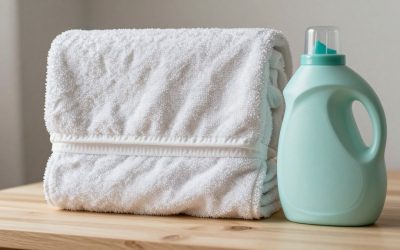
Wash new sheets before first use to improve absorbency. Avoid fabric softener and dryer sheets, which coat fibers. If sheets stay stained, soak them in warm water with detergent or an oxygen-based laundry booster before washing. Air or tumble dry on a setting allowed by the care label. Sheets that smell sour need a hotter wash or a vinegar rinse and a thorough dry.
Do not use the same sheets that wiped raw meat juices for anything else without washing in hot water first. Consider keeping one color for those jobs or using disposables.
Common Mistakes
- Buying too few sheets and then giving up when they run out.
- Letting used sheets sit damp in a closed container.
- Using softener, which reduces absorbency.
- Expecting them to behave exactly like paper.
An oxygen laundry booster can help with stains, and a mesh laundry bag keeps small cloths together in the wash.
Frequently Asked Questions
How many sheets do I need?
Around 20 to 30 gives most households a comfortable rotation. Smaller kitchens can manage with fewer if they wash more often.
Do they really save money?
They can, over time, by reducing the amount of disposable rolls you buy. The savings depend on how many rolls you used before and the cost of laundering.
Are they hygienic?
Yes when washed properly in hot water and dried completely. Use a separate set or disposables for risky messes.
How long do they last?
Quality varies, but well-made cotton sheets can last through many washes before they thin out.