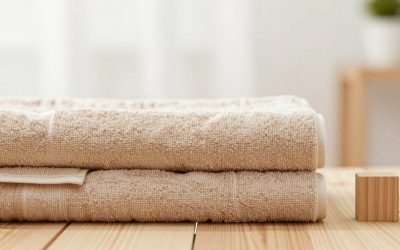
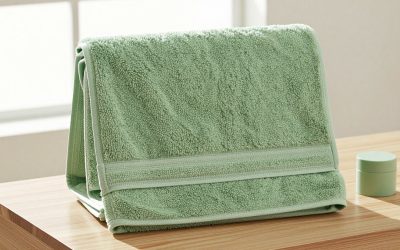
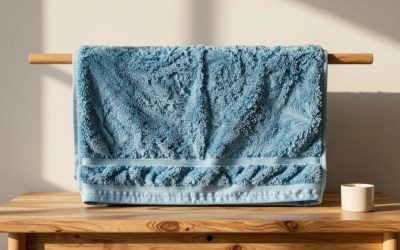
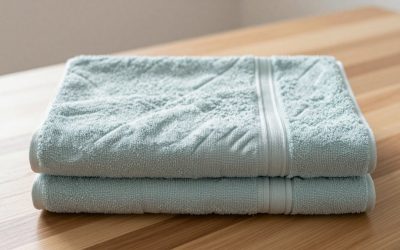
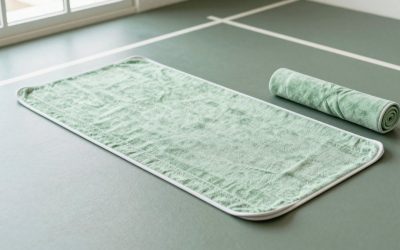
The best car drying towels are plush, absorbent microfiber or twisted-loop designs that pull water off paint without scratching. Choose a large, soft towel for the body and keep smaller, separate cloths for wheels and door jambs.
Why Towel Choice Affects Paint
Paint is easy to mark, and a dirty or rough towel can leave swirl marks. A good drying towel has long, soft fibers that lift water and trap stray particles away from the surface. The key is to start with a clean car, since drying a dirty vehicle drags grit across the paint no matter how soft the towel is. Pair a careful wash with a quality towel and a gentle technique for best results.
Towel Types Compared
| Type | Texture | Water capacity | Best for |
|---|---|---|---|
| Twisted-loop microfiber | Thick, plush loops | Very high | Large panels, quick drying |
| Plush edgeless microfiber | Deep soft pile | High | Final wipe, delicate paint |
| Waffle-weave microfiber | Textured pockets | High | Glass and general drying |
| Chamois (natural or synthetic) | Smooth, flat | Moderate | Quick wipes, glass |
| Air blower plus towel | Not applicable | Not applicable | Reducing contact with paint |
What to Look For
- A size large enough to cover a hood or roof in a few passes.
- Edgeless or silk-banded edges that will not scratch.
- Dense, soft fibers rather than thin cloth.
- Machine-washable fabric designed to be reused.
- Clear labeling so you can separate towels by task.
Match to Your Vehicle and Routine
Owners of large trucks and SUVs benefit from big twisted-loop towels because they need more coverage per pass. Owners of small cars or those who wash weekly may be fine with a mid-size plush towel. Anyone with dark paint should be extra careful, since scratches and swirls show more clearly. Enthusiasts who detail frequently often keep a set of towels for different jobs, such as one for paint, one for glass, and one for wheels.
Take a look at large microfiber car drying towels to compare sizes and pile types.
Technique Tips
Lay the towel flat on a panel and drag it gently toward you, or blot rather than rub. Work from the top of the car down, wringing the towel as it fills with water. Switch to a dry towel when the first is saturated. Use separate towels for lower dirty areas such as rocker panels and bumpers. Avoid dropping the towel on the ground; if it falls, put it aside and take a fresh one.
Care and Maintenance
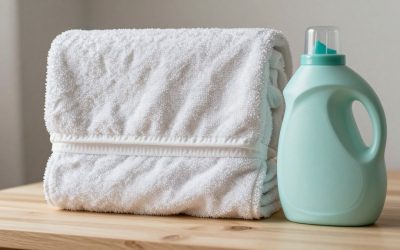
Wash microfiber towels separately from cotton and other lint-shedding items. Use a detergent made for microfiber or a mild liquid detergent, with no fabric softener or bleach, which clog the fibers and reduce absorbency. Dry on low heat or air dry. Store them in a clean, closed container so dust does not collect. Retire a towel that becomes stiff, matted, or stained with grease or wax, since it can scratch rather than absorb.
Common Mistakes
- Drying a dirty car before rinsing.
- Using the same towel on wheels and paint.
- Washing with softener or bleach.
- Pressing hard while drying.
- Using an old bath towel because it is handy.
To go with your towels, consider a microfiber wash mitt and a microfiber laundry detergent so your towels keep performing.
Frequently Asked Questions
How many drying towels do I need?
Two or three large towels cover most washes, plus a few smaller cloths for details.
Is chamois better than microfiber?
Many detailers prefer microfiber because it holds more water and is easier to maintain. Chamois still has fans for quick wipes.
Can I use a leaf blower first?
Many enthusiasts use an air blower to remove most water, which reduces how much you need to touch the paint.
How often should I replace towels?
Replace them when they stop absorbing well, feel stiff, or show contamination that does not wash out.