Key takeaways
- Size: Measure the usable area, not just the patio’s overall dimensions. Leave room to walk around the structure, open doors, and pull out chairs without crowding nearby walls or planting beds.
- Roof design: Adjustable louvers offer flexible sun and ventilation control, while fixed hardtops provide more consistent coverage. Slatted wood roofs create a lighter, more open feel but may not block rain as effectively.
- Materials: Aluminum generally requires less upkeep than wood, while cedar brings warmth and a natural appearance. Steel roof panels can add a more substantial weather barrier, but the frame and anchoring still matter.
- Drainage and enclosure: Integrated gutters, curtains, and netting can make a pergola more useful across changing weather and seasons. Check how runoff is directed so water does not collect beside the foundation or seating area.
- Assembly and anchoring: Large pergolas are substantial structures. Review the installation requirements, allow adequate access for assembling long components, and use an appropriate surface connection for your deck, patio, or concrete slab.
What's inside
Choosing an outdoor pergola is rarely as simple as picking the largest roof or the most attractive finish. Buyers also need to account for patio dimensions, drainage, wind exposure, seasonal weather, assembly space, and whether the structure will create a comfortable zone rather than an obstacle in the yard.
This guide compares standout pergola styles for 2026, from adjustable aluminum louvers to cedar trellis roofs and enclosed hardtops. The focus is practical: shade control, footprint, privacy, durability, maintenance, and how easily each option can support furniture, dining, grilling, or entertaining.
As an Amazon Associate we earn from qualifying purchases.


How to Choose an Outdoor Pergola (2026)
- Size: Measure the usable area, not just the patio’s overall dimensions. Leave room to walk around the structure, open doors, and pull out chairs without crowding nearby walls or planting beds.
- Roof design: Adjustable louvers offer flexible sun and ventilation control, while fixed hardtops provide more consistent coverage. Slatted wood roofs create a lighter, more open feel but may not block rain as effectively.
- Materials: Aluminum generally requires less upkeep than wood, while cedar brings warmth and a natural appearance. Steel roof panels can add a more substantial weather barrier, but the frame and anchoring still matter.
- Drainage and enclosure: Integrated gutters, curtains, and netting can make a pergola more useful across changing weather and seasons. Check how runoff is directed so water does not collect beside the foundation or seating area.
- Assembly and anchoring: Large pergolas are substantial structures. Review the installation requirements, allow adequate access for assembling long components, and use an appropriate surface connection for your deck, patio, or concrete slab.
The Best Outdoor Pergolas (2026) Reviewed
Best Overall: 10′ x 13′ Louvered Aluminum Pergola
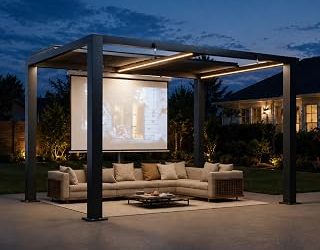
This louvered pergola is a versatile choice for patios that need controllable shade without the ongoing care associated with timber. Its aluminum construction, reinforced steel roof, and weatherproof shelter design suit dining areas, lounge furniture, and compact entertaining zones. The 10-by-13-foot footprint is substantial enough for a useful seating arrangement while remaining manageable in a smaller backyard.
Best for Large Gatherings: Jocisland 20′ x 20′ Cedar Gazebo
With a generous 20-by-20-foot footprint, this Jocisland cedar gazebo is designed for buyers who want a true outdoor gathering space rather than a small shade nook. The sloped galvanized steel roof and rot-resistant cedar construction combine a traditional appearance with a more protective overhead structure. Plan carefully before buying: this size needs a large, level installation area and will visually dominate a compact yard.
Best Mid-Size Louvered Option: Aoxun 10×16 Pergola
The Aoxun balances a relatively narrow depth with extra length, making it useful along the edge of a house, pool deck, or elongated patio. Adjustable roofs provide control over sunlight, while the built-in drainage system is a practical feature for managing rainwater. Its thickened posts and easy-assembly design are appealing, though buyers should still expect a careful installation process for a structure of this scale.
Best for Privacy: 12′ x 16′ Adjustable-Roof Pergola
This 12-by-16-foot model is a strong fit for homeowners who want one outdoor room for both shade and privacy. The adjustable louvered roof is paired with curtains and netting, allowing the space to shift from open-air lounging to a more screened-in setting. An integrated gutter system adds everyday practicality, especially when the pergola is positioned near outdoor dining furniture or a home entrance.
Best Enclosed Hardtop: 10x12FT Brown Double-Roof Gazebo
For a more sheltered, traditional gazebo feel, this 10-by-12-foot hardtop option combines a brown finish with a double galvanized steel roof, curtains, and netting. The compact footprint works well for a dining set or conversation area, and the enclosed accessories can help define the space without adding permanent walls. It is a sensible choice when predictable overhead coverage matters more than adjustable sunlight.
Frequently Asked Questions
What size pergola works best for a small patio?
Start with the furniture you already own and add circulation space around it. A 10-by-12-foot or 10-by-13-foot pergola can often accommodate a compact dining set or lounge arrangement, provided the surrounding patio remains clear for movement.
Are louvered pergolas better than fixed-roof pergolas?
Neither design is universally better. Louvered roofs are more adaptable because you can adjust light and airflow, while fixed hardtops typically offer a simpler, more consistent barrier against sun and rain. Choose based on whether flexibility or dependable coverage is your priority.
Does a pergola need to be anchored?
Yes. A pergola should be secured to a suitable base, such as concrete, a structurally sound deck, or another surface approved by the manufacturer. Proper anchoring is especially important for larger models and locations exposed to strong wind.
Is cedar or aluminum easier to maintain?
Aluminum is usually the lower-maintenance choice because it does not require regular staining or sealing. Cedar offers a warmer, more organic look but may need periodic care to preserve its color and help protect the wood from weathering.
Final Thoughts
The 10′ x 13′ Louvered Aluminum Pergola is a well-rounded pick for many patios, while the Aoxun 10×16 suits longer spaces that benefit from adjustable shade and drainage. For a natural centerpiece, consider the BlueWish 12′ x 14′ Cedar Wood Patio Pergola with its slatted trellis roof; for maximum entertaining capacity, the Jocisland 20′ x 20′ model is the more ambitious choice.