Key takeaways
- Footprint: Measure the usable deck area, not just the overall platform. Leave clear space for chairs, door swings, stairs, and a comfortable walking route around the structure.
- Roof design: Galvanized steel hardtops provide more permanent coverage than fabric canopies and are better suited to regular sun and rain. Double-roof designs may also improve airflow beneath the shelter.
- Deck support: A substantial wood gazebo can be very heavy. Confirm that the deck, framing, and attachment points can support the structure, including accumulated snow and strong wind.
- Screening: Mosquito netting and privacy curtains turn an open pavilion into a more useful lounge or dining room. Look for integrated rods, hooks, and tiebacks that keep screens organized.
- Maintenance: Cedar naturally complements outdoor settings, but it still benefits from periodic cleaning and sealing. Inspect fasteners, roof panels, and connections at the beginning and end of each season.
What's inside
Best Deck Gazebo (2026) comparisons are less about finding the biggest shelter and more about fitting a durable outdoor room into the space you actually have. A gazebo can add shade, dining space, and privacy to a deck, but the wrong footprint may crowd walkways, block doors, or overload a raised structure.
This guide evaluates the leading hardtop and wood gazebo options for deck living, focusing on proportions, roof construction, weather resistance, screening potential, and everyday usability. The best choice depends on your deck’s load capacity, available clearance, climate, and whether you want a permanent pavilion or a more flexible entertaining zone.
As an Amazon Associate we earn from qualifying purchases.


How to Choose a/an Deck Gazebo (2026)
- Footprint: Measure the usable deck area, not just the overall platform. Leave clear space for chairs, door swings, stairs, and a comfortable walking route around the structure.
- Roof design: Galvanized steel hardtops provide more permanent coverage than fabric canopies and are better suited to regular sun and rain. Double-roof designs may also improve airflow beneath the shelter.
- Deck support: A substantial wood gazebo can be very heavy. Confirm that the deck, framing, and attachment points can support the structure, including accumulated snow and strong wind.
- Screening: Mosquito netting and privacy curtains turn an open pavilion into a more useful lounge or dining room. Look for integrated rods, hooks, and tiebacks that keep screens organized.
- Maintenance: Cedar naturally complements outdoor settings, but it still benefits from periodic cleaning and sealing. Inspect fasteners, roof panels, and connections at the beginning and end of each season.
The Best Deck Gazebo (2026)s Reviewed
Wood Gazebo 10′ x 12′ Cedar Gazebo
This 10-by-12-foot cedar gazebo is a strong fit for homeowners who want a classic permanent pavilion without overwhelming a medium-sized deck. Its thickened wooden posts and galvanized steel double roof suggest a sturdy, furniture-like structure, while the compact footprint leaves room for a dining set or conversation area.
Modern Shade Wood Gazebo 12×16
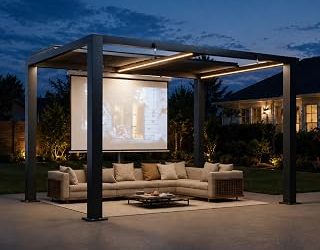
The 12-by-16-foot Modern Shade Wood Gazebo is the choice for larger decks where creating separate zones matters. Its generous length can accommodate dining at one end and lounge seating at the other, while mosquito-net rods and sturdy hooks make it easier to add screening without a cluttered installation.
10×12 ft Cedar Wood Gazebo with Peak Roof
This cedar model emphasizes shelter and weather readiness, with a galvanized steel peak roof designed for shade, UV protection, wind resistance, and snow support. It is a practical option for buyers who want a straightforward outdoor room with enough coverage for a table, grill-side seating, or cushioned furniture.
Jocisland 10′ x 12′ Cedar Wood Gazebo
The Jocisland gazebo combines a manageable 10-by-12-foot footprint with a sloped galvanized steel roof and rot-resistant construction. Its proportions suit many deck layouts, particularly when you need overhead coverage near the house but still want the perimeter open enough to preserve views and circulation.
GUNJI 10′ x 12′ Wooden Gazebo
GUNJI’s 10-by-12-foot hardtop gazebo is aimed at homeowners seeking a permanent DIY-style pavilion with a wood finish and double metal roof. Its stated windproof, snow-load-bearing, and rust-resistant features make it worth considering in variable climates, provided the assembly plan and deck anchoring requirements fit your project.
Frequently Asked Questions
Can I install a wooden gazebo directly on a deck?
Possibly, but the deck must be structurally capable of carrying the gazebo’s concentrated weight and resisting wind uplift. Ask a qualified contractor or structural professional to assess the framing, posts, ledger, and attachment points before ordering.
What size gazebo works best on a deck?
A 10-by-12-foot gazebo is a versatile starting point for many medium and large decks. A 12-by-16-foot model offers substantially more room, but it requires generous clearance and may make a smaller deck feel crowded.
Are hardtop gazebos better than fabric models?
Hardtop gazebos are generally better for long-term shade and rain protection, and they do not need to be removed after every season. They are also heavier and more permanent, so installation, anchoring, and structural planning are more important.
How can I keep a deck gazebo from feeling cramped?
Use furniture with narrow profiles, keep the main walkway unobstructed, and avoid filling every corner. A wall-mounted table, stackable chairs, or a compact sectional can preserve usable floor space while maintaining comfortable seating.
Final Thoughts
For a balanced combination of size and traditional style, the Wood Gazebo 10′ x 12′ is an appealing all-rounder. Choose the Modern Shade Wood Gazebo 12×16 when your deck can support a larger entertaining layout, or the Jocisland 10′ x 12′ Cedar Wood Gazebo when a compact, weather-conscious pavilion is the better spatial fit.