Key takeaways
- Test every cleaner, brightener, oil, or sealer on an inconspicuous spot before treating the entire piece.
- Never mix teak products with bleach, ammonia, vinegar, or other household cleaners.
- Clean spills promptly, especially coffee, wine, grease, and sunscreen, which can leave persistent marks.
- Use breathable furniture covers and leave room for airflow beneath them.
What's inside
Teak patio furniture is naturally durable, but outdoor grime, pollen, mildew, spilled drinks, and harsh sunlight can still leave it looking tired. The best cleaning method depends on whether you want to preserve teak’s warm honey color or allow it to develop a silvery-gray patina. Either way, aggressive scrubbing and household cleaners can do more harm than good by roughening the grain or stripping away protective oils.
This guide explains how to clean teak furniture safely, which tools and treatments are worth considering, and how to organize the process in a small outdoor space without creating a pile of half-used supplies. You’ll learn when to use a teak cleaner, whether brightener or oil is appropriate, and how to maintain the finish with less effort throughout the season.
As an Amazon Associate we earn from qualifying purchases.



Recommended picks
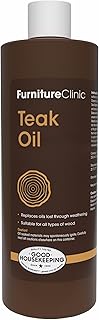
For an all-in-one approach, the Furniture Clinic Teak Care Kit includes cleaner, brightener, and oil for treated or untreated outdoor wood. It is a practical choice when furniture needs a full refresh rather than a quick wash. For a single-product cleaning job, Furniture Clinic Teak Cleaner is designed to remove dirt and stains from teak and other outdoor woods.
STAR BRITE Premium Outdoor Teak Cleaner is another well-known option for weathered outdoor teak. If you prefer a cleaner that also aims to restore shine, Bayes High Performance Teak Cleaner & Restorer is formulated for both routine cleaning and neglected teak. To finish and nourish wood that you want to keep warm in color, consider Furniture Clinic Teak Oil. The EcoDecors Teak Cleaner & Teak Sealer Kit is useful if you want cleaning and sealing products together for patio furniture or other hardwood surfaces.
1. Check the furniture before cleaning
Remove cushions, covers, trays, and any loose accessories first. Brush away dry leaves and dust with a soft-bristle brush, then inspect the joints, slats, and underside of each piece. Look for loose screws, hairline cracks, black mildew spots, or areas where the wood feels unusually rough. Cleaning will not repair structural problems, so tighten hardware and set damaged pieces aside before adding water.
Also decide what finish you want. Unfinished teak gradually turns silver-gray outdoors; this is a natural aging process, not a sign that the wood is failing. If you prefer the original golden-brown appearance, you’ll need regular cleaning and a compatible teak oil or sealer. Avoid applying oil to dirty or damp wood, since it can trap stains and moisture.
2. Use a gentle two-stage wash
Work in shade on a mild day. Direct sun can dry cleaner onto the surface before you rinse it, while very cold conditions can slow drying. Wet the furniture with clean water, following the product instructions for dilution and contact time. Apply teak cleaner with a soft brush or sponge, working with the grain rather than in tight circles.
Use light pressure. Teak is dense, but its softer surface fibers can be scratched or lifted by a stiff wire brush, abrasive pad, or pressure washer. For textured grime in corners, use a soft toothbrush or narrow detailing brush. Rinse thoroughly from top to bottom so dirty water does not run back over areas you have already cleaned.
3. Brighten weathered or uneven wood
After cleaning, some teak may look pale, blotchy, or darker in places where grime had collected. A teak brightener can help even out the appearance and remove residue left by the cleaning stage. Apply it only as directed, and test a hidden area first, especially on furniture that has previously been oiled, sealed, painted, or stained.
Do not confuse “brightening” with bleaching the wood white. The goal is to restore a more consistent surface, not to erase teak’s natural color variation. When the treatment is complete, rinse especially carefully around seat joints and beneath the slats.
4. Dry completely before protecting
Allow the furniture to dry fully—often overnight, depending on humidity and airflow. Move pieces so air can circulate around the legs and underside, but avoid placing them on wet grass or against a damp wall. A clean, dry cotton cloth can remove surface water, but it should not replace adequate drying time.
Once dry, check the grain with your hand. If it feels slightly raised, smooth only the rough spots with fine-grit sandpaper, using long strokes in the direction of the grain. Wipe away sanding dust before applying any finish. This small step improves the feel of armrests and tabletops without unnecessarily removing healthy wood.
5. Choose oil, sealer, or natural patina
Oil is optional. It can help maintain a warmer brown appearance, but it does not make teak maintenance-free and may require repeated applications. Apply a thin, even coat with a lint-free cloth, allowing the product to soak in according to its label. Remove excess oil so the surface does not remain sticky or develop glossy patches.
If you prefer silver-gray teak, skip oil and let the furniture weather naturally after cleaning. A cover or ventilated storage area can reduce staining, but avoid tightly wrapping damp furniture. For compact patios, keep cleaners and cloths in one labeled, ventilated storage bin rather than scattering bottles beneath chairs; this makes seasonal maintenance faster and prevents accidental mixing of products.
Tips
- Test every cleaner, brightener, oil, or sealer on an inconspicuous spot before treating the entire piece.
- Never mix teak products with bleach, ammonia, vinegar, or other household cleaners.
- Clean spills promptly, especially coffee, wine, grease, and sunscreen, which can leave persistent marks.
- Use breathable furniture covers and leave room for airflow beneath them.
Frequently Asked Questions
Can I pressure-wash teak patio furniture?
It is usually better to avoid pressure washing. A strong jet can cut into the soft grain, leave stripes, and force water into joints. A garden hose, soft brush, and teak-specific cleaner provide better control for most household furniture.
How often should teak furniture be cleaned?
For regularly used outdoor furniture, a thorough clean once or twice a year is usually sufficient, with spot cleaning as needed. Furniture beneath trees, near a pool, or in a damp climate may need more frequent attention because pollen, algae, and mildew accumulate faster.
Should I oil teak after every cleaning?
No. Oil is mainly for people who want to preserve a golden-brown appearance. If you like the natural gray patina, leave the wood un-oiled. Reapplying oil too frequently can create a dark, uneven, or tacky surface.
What if my teak furniture has black stains?
Black marks may come from mildew, trapped moisture, or metal contact. Start with a teak cleaner and gentle brushing, then rinse and dry thoroughly. Persistent stains may require a brightener or careful spot treatment; avoid aggressive sanding until you know the cause.
Conclusion
The best way to clean teak patio furniture is a controlled process: remove dry debris, wash gently with a teak-safe cleaner, rinse thoroughly, let the wood dry completely, and choose protection based on the look you want. With a small, organized care kit and occasional attention to spills and airflow, teak furniture can stay comfortable, attractive, and durable for many outdoor seasons.