Key takeaways
- Match the material, not the marketing: Teak oils feed dense tropical hardwoods like teak and acacia; spar urethane builds a film over softer woods and painted surfaces; restorers target vinyl, plastic, and powder-coated metal. Small patios usually mix all three, so plan on more than one product.
- Dry time drives everything in tight quarters: If your only workspace is the patio itself, a finish needing 24 hours between coats means two days without a place to sit. Fast-drying formulas let you recoat the same afternoon and put furniture back into rotation by evening.
- Oil versus film matters for stacked storage: Penetrating oils won’t stick to themselves when chairs nest together, while a fully cured urethane film can tack up under pressure and humidity. If your seating stacks in a corner all winter, oil is the safer call.
- UV protection over raw water resistance: Balconies and small decks often catch reflected glare from glass and light-colored siding, which fades wood faster than expected. Look for stated UV absorbers rather than assuming any outdoor product handles sun.
- Coverage should fit the job: A quart is generous for a two-chair setup and will likely skin over before you finish it. Buy the smaller size for annual touch-ups and save the bulk containers for full decks or multiple pieces.
What's inside
When your patio is also your dining room, your reading nook, and your only patch of outdoors, the furniture on it works harder than most. A balcony bistro set gets dragged, stacked, and folded weekly. A small deck’s bench doubles as storage. That constant handling means the finish gives out long before the wood does, and once the grain goes gray and fuzzy, every wipe-down leaves splinters on your palm. Renters and compact-space dwellers also can’t just replace a weathered set on a whim, so protecting what you already own matters more than it does for someone with a sprawling yard and a shed full of spares.
This guide covers the finishes that hold up under the specific stress of tight outdoor living: frequent repositioning, close-quarters spills, sun bouncing off neighboring walls, and the reality that you may be applying product on a 40-square-foot balcony with nowhere to spread out. I’ve grouped picks by what they actually solve, whether that’s reviving sun-bleached acacia, sealing a tabletop that has to survive a rainstorm without a cover, or refreshing plastic and metal pieces that live in the same cramped footprint as your wood.
As an Amazon Associate we earn from qualifying purchases.



How to Choose a Finish For Patio Furniture (2026)
- Match the material, not the marketing: Teak oils feed dense tropical hardwoods like teak and acacia; spar urethane builds a film over softer woods and painted surfaces; restorers target vinyl, plastic, and powder-coated metal. Small patios usually mix all three, so plan on more than one product.
- Dry time drives everything in tight quarters: If your only workspace is the patio itself, a finish needing 24 hours between coats means two days without a place to sit. Fast-drying formulas let you recoat the same afternoon and put furniture back into rotation by evening.
- Oil versus film matters for stacked storage: Penetrating oils won’t stick to themselves when chairs nest together, while a fully cured urethane film can tack up under pressure and humidity. If your seating stacks in a corner all winter, oil is the safer call.
- UV protection over raw water resistance: Balconies and small decks often catch reflected glare from glass and light-colored siding, which fades wood faster than expected. Look for stated UV absorbers rather than assuming any outdoor product handles sun.
- Coverage should fit the job: A quart is generous for a two-chair setup and will likely skin over before you finish it. Buy the smaller size for annual touch-ups and save the bulk containers for full decks or multiple pieces.
The Best Finish For Patio Furniture (2026)s Reviewed
STAR BRITE Premium Golden Teak Oil
Tung oil polymers plus UV absorbers make this the most sun-resistant oil on the list, and the golden tone brings warmth back to gray teak without looking orange. It dries fast enough to apply two coats in a single day, which is exactly what you want when the furniture has nowhere else to go.
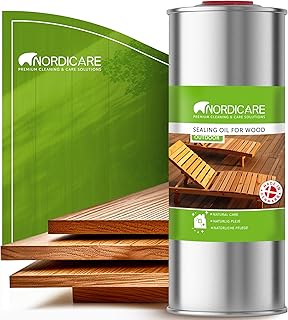
Nordicare Teak Oil for Outdoor Furniture
The 34-ounce size handles a full small-patio set with margin left over, and it works well across teak, acacia, and oak, so you’re not buying separate products for a mixed collection. Application is forgiving, with a long enough open time that you can wipe back excess without racing the finish.
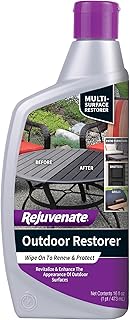
Rejuvenate Outdoor Restorer
This is the one for everything that isn’t wood: resin chairs, vinyl railings, a faded grill lid, the powder-coated bistro table that’s gone chalky. It restores color rather than coating over it, so surfaces stay grippy instead of slick, which matters on a balcony where you’re brushing past furniture constantly.
Varathane Water-Based Ultimate Spar Urethane
When you need a genuine protective film, such as on a tabletop that stays uncovered through storms, this satin water-based spar urethane delivers it with low odor and quick recoating. That low odor is not a minor detail if your patio shares air with an open apartment door.
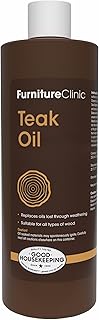
Furniture Clinic Teak Oil
A natural matte finish that cleans as it conditions, useful on furniture that’s picked up grime along with the weathering. The 17-ounce bottle suits a compact set perfectly and won’t sit half-used in a bin for three seasons.
Frequently Asked Questions
How often should I reapply finish on a balcony set?
Oils generally need refreshing every six to twelve months, sooner if the pieces get direct afternoon sun or heavy handling. Film finishes last longer but require sanding and recoating once they start to flake.
Can I apply these products on the patio itself?
Yes, with drop cloths and decent ventilation. Choose fast-drying or water-based options so furniture is back in service quickly, and avoid windy days that carry dust into a wet surface.
Is linseed oil still worth using?
Boiled linseed oil like LinSheen’s remains an excellent, economical treatment for a broad range of woods and even sports equipment. Just dispose of rags properly, since they can self-heat.
Do I have to strip the old finish first?
Oil over oil needs only a clean, dry surface. Switching to a urethane film requires sanding back to bare wood, otherwise adhesion will fail.
Final Thoughts
For most compact patios, STAR BRITE Golden Teak Oil is the strongest all-around pick thanks to its UV protection and quick recoating, with Nordicare Teak Oil the better value if you’re covering a full set of mixed hardwoods. Add Rejuvenate Outdoor Restorer to handle the plastic and metal pieces sharing your limited square footage, and you’ve got the whole space covered.