Key takeaways
- Adhesion to plastic: Look for products that name plastic, resin, vinyl, or PVC directly on the label. Standard exterior latex will peel off polypropylene in sheets within a season, no matter how carefully you prep.
- Restore versus recoat: If the color underneath is still even and only the finish has dulled, a restorer revives it in one wipe-on pass. Reach for pigmented paint only when the fade is patchy or you want a new color.
- Coverage math: Measure what you actually own before buying. Four stacking chairs and a side table rarely need a full quart, and leftover exterior paint is a storage problem in a small home.
- Dry time and workspace: Fast-curing formulas matter when your only work surface is the same balcony you want to sit on that evening. Check recoat windows, not just touch-dry claims.
- Sheen and heat: Gloss shrugs off pollen and rain rings and wipes clean easily, but dark glossy plastic gets hot in direct sun. Satin is the safer compromise for seating.
What's inside
Chalky white bloom on a resin chair, sun-bleached patches on a bistro table, a stackable stool that no longer matches anything else on the balcony. Plastic patio furniture fades unevenly, and on a small terrace or fire escape landing that inconsistency reads as clutter, because there is no distance to soften it. When your outdoor room measures forty square feet, every surface is a focal point whether you intended it to be or not.
Repainting is the cheapest way to bring a mismatched set back into one visual family, and a unified color palette makes a compact space feel deliberate rather than accumulated. The catch is that plastic and resin resist coatings that grip wood or metal without complaint. This guide covers the products that actually adhere to polypropylene and PVC, how to pick between a restorer and a true topcoat, and where a small paint pen beats a whole quart.
As an Amazon Associate we earn from qualifying purchases.



How to Choose a/an Paint For Plastic Patio Furniture (2026)
- Adhesion to plastic: Look for products that name plastic, resin, vinyl, or PVC directly on the label. Standard exterior latex will peel off polypropylene in sheets within a season, no matter how carefully you prep.
- Restore versus recoat: If the color underneath is still even and only the finish has dulled, a restorer revives it in one wipe-on pass. Reach for pigmented paint only when the fade is patchy or you want a new color.
- Coverage math: Measure what you actually own before buying. Four stacking chairs and a side table rarely need a full quart, and leftover exterior paint is a storage problem in a small home.
- Dry time and workspace: Fast-curing formulas matter when your only work surface is the same balcony you want to sit on that evening. Check recoat windows, not just touch-dry claims.
- Sheen and heat: Gloss shrugs off pollen and rain rings and wipes clean easily, but dark glossy plastic gets hot in direct sun. Satin is the safer compromise for seating.
The Best Paint For Plastic Patio Furniture (2026)s Reviewed
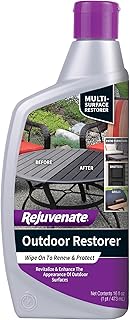
Rejuvenate Outdoor Restorer
This is a wipe-on restorer rather than a paint, and it is the right first move on faded resin that still holds its original color evenly. One 16-ounce bottle covers up to 800 square feet, so a single purchase handles a whole balcony set plus the grill and window shutters without leaving a can to store.
Wolman Outdoor Furniture Paint, Granite
The only product here formulated specifically as an outdoor furniture coating, and the one I would choose for a full color change on plastic seating. Granite is a genuinely useful shade in tight spaces: it recedes visually the way a neutral rug does, letting cushions and planters carry the color instead.
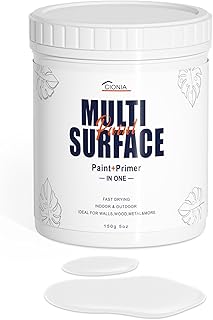
CIONIA All-in-One Multi Surface Paint
A no-sanding, quick-drying acrylic in a 5-ounce size, which is exactly right for a couple of small stools or the arms of a chair set. The all-in-one formula skips a separate primer step, though on slick plastic I still scuff-sand lightly with fine paper for insurance.
DWIL Wood Paint, White
Marketed for wood but a water-based, low-odor option worth knowing about if your set mixes materials, which most balcony collections do. Coverage runs 50 to 60 square feet, enough to unify a plastic chair with a wooden side table in one matching white.
White Touch Up Paint Pen
The most underrated item on this list for anyone short on storage. A 1.5-ounce high-gloss pen fixes chair-leg scuffs, railing scrapes, and hardware chips in seconds, lives in a drawer, and never requires you to open a can or clean a brush.
Frequently Asked Questions
Do I need to prime plastic patio furniture first?
With a dedicated plastic-rated paint or an all-in-one formula, usually no. What you cannot skip is cleaning: wash with soap and water, rinse, dry fully, and scuff any glossy areas so the coating has something to bite into.
Can I use appliance epoxy on plastic?
Rust-Oleum Appliance Epoxy is engineered for metal appliance surfaces and cures to a hard gloss there. On flexible plastic seating it can crack as the material bends and expands, so save it for metal frames and hardware rather than resin chair backs.
How long before I can sit on repainted chairs?
Touch-dry is not cure-dry. Give any coating a full 24 to 72 hours before putting weight on it, longer in humid weather, or you will lift the finish exactly where your hands and legs land.
How do I paint furniture with no yard space?
Work in stages on a drop cloth, one or two pieces at a time, and prefer low-odor water-based formulas or a paint pen over aerosols. Stack finished pieces vertically against a wall while they cure to keep the floor usable.
Final Thoughts
For faded-but-intact resin, start with Rejuvenate Outdoor Restorer and see how much of the original finish comes back before you commit to color. If you want a true recoat, Wolman Outdoor Furniture Paint in Granite is the most purpose-built choice here, and a White Touch Up Paint Pen is the small-space essential that keeps the whole set looking maintained between bigger projects.