Key takeaways
- Match vigor to structure: A cedar pergola with 4×4 posts handles a jasmine or a sky vine comfortably. Mature wisteria develops woody, twisting trunks that can torque joinery over a decade, so reserve it for heavy timber or steel frames anchored in concrete.
- Count your usable square footage: In a courtyard under 200 square feet, one vine per post is plenty. Planting all four corners in a small footprint creates a dense mat that traps humidity and blocks the airflow that makes shade feel cool.
- Decide between seeds and live plants: Seeds cost less and suit patient gardeners with a propagation setup. Rooted live plants give you a season or two of head start, which matters when the whole point is getting shade over a seating area sooner.
- Plan for litter and drop: Anything that flowers overhead will shed petals onto your table and cushions. Evergreen options hold their leaves year-round; deciduous climbers give you winter sun but a raking chore each fall.
- Check your zone and support hardware: Twining vines climb wire and cable readily. Add stainless steel cable runs across the top beams before planting, not after, and confirm cold hardiness for your region rather than trusting a generic “perennial” claim.
What's inside
A pergola over a small patio, balcony, or narrow side yard has to earn its footprint twice: once as shade, once as scenery. The problem most buyers hit is scale. They plant something vigorous because the tag promised fast coverage, and two seasons later the vine has swallowed the beams, cracked a gutter, and dropped so much litter that the seating area underneath became unusable. Others go the opposite direction, choosing a polite little climber that never quite reaches the crossbeams, leaving the structure looking half-finished and the seats baking in full sun.
This guide approaches pergola planting the way I approach any tight space: measured, deliberate, and honest about maintenance. Below you’ll find climbing vines suited to overhead training, from compact fragrant options for courtyard pergolas to heavyweight bloomers that need real structural support. I’ve flagged which ones behave in confined spaces, which need a pruning commitment, and how to read the difference between a seed packet and a rooted plant before you buy.
As an Amazon Associate we earn from qualifying purchases.


How to Choose a/an Pergola Plants (2026)
- Match vigor to structure: A cedar pergola with 4×4 posts handles a jasmine or a sky vine comfortably. Mature wisteria develops woody, twisting trunks that can torque joinery over a decade, so reserve it for heavy timber or steel frames anchored in concrete.
- Count your usable square footage: In a courtyard under 200 square feet, one vine per post is plenty. Planting all four corners in a small footprint creates a dense mat that traps humidity and blocks the airflow that makes shade feel cool.
- Decide between seeds and live plants: Seeds cost less and suit patient gardeners with a propagation setup. Rooted live plants give you a season or two of head start, which matters when the whole point is getting shade over a seating area sooner.
- Plan for litter and drop: Anything that flowers overhead will shed petals onto your table and cushions. Evergreen options hold their leaves year-round; deciduous climbers give you winter sun but a raking chore each fall.
- Check your zone and support hardware: Twining vines climb wire and cable readily. Add stainless steel cable runs across the top beams before planting, not after, and confirm cold hardiness for your region rather than trusting a generic “perennial” claim.
The Best Pergola Plants (2026)s Reviewed
410 Climbing Jasmine Seeds
Fragrant evergreen jasmine is my default recommendation for small enclosed patios, where the scent concentrates instead of dispersing, and the year-round foliage keeps a bare pergola from looking skeletal in January. Starting from seed means a slower first year, but the generous seed count lets you sow multiple posts and thin to the strongest seedlings.
Thunbergia Grandiflora (Pack of 2)
The blue trumpet vine is the closest thing to a fast, well-mannered privacy screen for a pergola side panel, producing sky-blue blooms on growth that fills in quickly without turning woody and destructive. Two plants cover a modest structure; in cooler zones treat it as a container-grown annual you overwinter indoors.
3 Wisteria Live Plants (1–2 Ft)
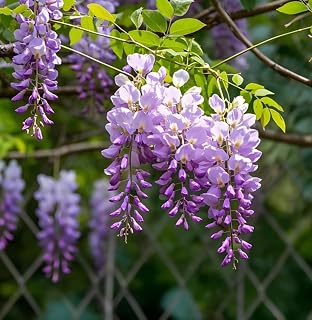
Three rooted Wisteria floribunda starts give you enough material to establish coverage across a full-size pergola in three to four seasons, with the pendulous flower racemes that make this the classic overhead choice. Budget for two prunings a year, in summer and again in winter, or it will outgrow the frame rather than decorate it.
Wisteria Seeds (20 Heirloom, Non-GMO)
Seed-grown wisteria is the economical route and works well for bonsai training or container culture where you want to control size deliberately from the start. Expect a longer wait to first bloom than with grafted or rooted stock, which is a fair trade if you enjoy the growing process.
2 Wisteria Live Plants (1–2 Ft)
The two-plant pack is the right quantity for a compact pergola or a single arbor span, avoiding the overcrowding that plagues small-space wisteria plantings. Site them at opposite posts and train the leaders toward each other along the top beam for even coverage.
Frequently Asked Questions
How long until a pergola vine provides real shade?
Rooted live plants typically deliver meaningful overhead coverage in two to three growing seasons. Seed-started vines add roughly a year to that timeline.
Will wisteria damage my pergola?
It can, on lightweight structures. Mature stems thicken and twist with real force, so pair wisteria with heavy timber or metal framing and prune twice yearly to keep the growth in check.
Can I grow these in containers on a balcony?
Yes, with caveats. Use the largest pot you can accommodate, at least 20 gallons for wisteria, and accept that container plants need more frequent watering and yearly root pruning.
Do I need a trellis if I already have a pergola?
You need something for the vine to grip. Add stainless cable or wire runs up the posts and across the beams, since most twining climbers can’t hold onto smooth, wide lumber on their own.
Final Thoughts
For a compact courtyard where fragrance matters more than sheer coverage, the Climbing Jasmine Seeds are the sensible pick, while the Thunbergia Grandiflora two-pack delivers the fastest visual payoff without the structural risk. If you have a substantial pergola and the patience for proper pruning, the 3 Wisteria Live Plants remain the benchmark for overhead flowering.