
Key takeaways
- The best ab roller is one you can grip, control, and use on an appropriate clear surface. Compare the wheel arrangement, handle access, assembly, and...
What's inside
The best ab roller is one you can grip, control, and use on an appropriate clear surface. Compare the wheel arrangement, handle access, assembly, and any assistance mechanism before looking at bundled extras. A wider wheel or a spring does not establish that the exercise is suitable for everyone, and no roller should be bought on a promise of visible abs.
This guide provides practical selection and use considerations. It does not report hands-on product testing.
An ab roller takes little storage space, but using it requires a clear path. That difference matters in a living room or bedroom. Consider both the device and the area your body will occupy, then decide whether your room supports the activity before choosing between products.
What the design changes
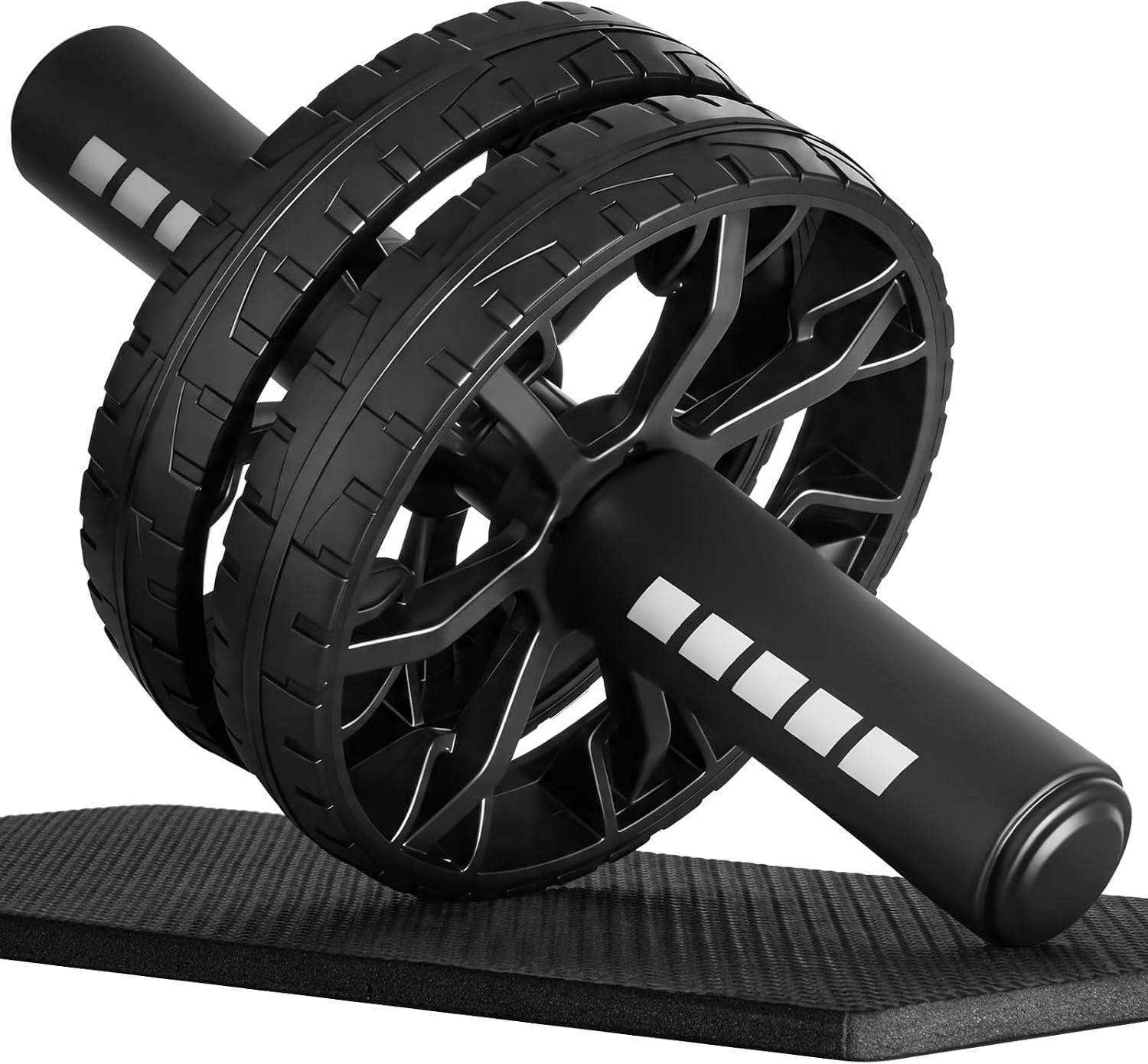
Wheel width and arrangement affect how the device feels during use, but they are only part of the comparison. Look at the spacing of the handles, the shape of the grip, and whether your hands can remain comfortable in the intended position. A product photograph cannot confirm personal fit; clear dimensions and reasonable return conditions are useful.
Some rollers add spring assistance, angled travel, or a braking feature. Read what the mechanism actually does and how it should be operated. Do not assume it will stop you at an appropriate distance or compensate for an uncontrolled movement. If you prefer a simpler device, compare assembly and grip details rather than paying for features you do not understand.
Read the instructions before planning a routine
The manual should explain assembly, intended use, and checks before use. Confirm how handles or axles lock into place and whether the device has an orientation that matters. Any stated user limit should be read as a limit for the product, not a personalized recommendation to perform the exercise.
If you are unfamiliar with rollouts, seek instruction suited to your experience before deciding how far or how often to roll. This buying guide does not prescribe a routine. Difficulty varies with the movement and the person, so an item labeled beginner-friendly does not settle whether it is appropriate for you.
Product listings to compare
As an Amazon Associate we earn from qualifying purchases at no extra cost to you. Product prices and availability are accurate as of the date shown and are subject to change. Compare the selected variant and its current description with the requirements above.
As an Amazon Associate we earn from qualifying purchases at no extra cost to you. Product prices and availability are accurate as of the date shown and are subject to change.




Check the whole rolling path
Inspect the area from the starting position to the furthest point you expect to reach, including the space alongside it. Move cables, small objects, and loose rug edges. Allow for hands and elbows as well as the wheel. A narrow strip between a coffee table and sofa may look open while leaving little room for an unexpected change of direction.
Check the surface requirements for the exact roller. A wheel that behaves one way on a firm surface may behave differently on a thick rug or across a joint. Do not assume that a supplied pad is intended to cover the full rolling path. It may be only for knee contact, so its purpose and placement need to be understood.
Make setup simple without leaving equipment out
Store the roller and any pad together near the intended exercise area, where they cannot roll into a passage. Keep them away from chair wheels and doors. If the handles detach, provide a contained place for the parts and follow the assembly check each time; a convenient storage shape is not worth skipping that step.
A small shelf or basket can organize lightweight accessories, but choose one that keeps the wheel secure rather than balanced on its rim. Avoid placing the device on delicate furniture where surface dirt can scratch the finish. Let cleaned pads dry before stacking them against fabrics or enclosing them in storage.
Choose extras by whether they solve a real problem
A knee pad may be useful if its size, material, and permitted surface suit your setup. Additional handles or accessories are worthwhile only if you understand their intended use. Compare the core roller first, then decide whether a bundle saves you a separate purchase you would actually make.
Include return conditions and replacement availability in the comparison. Inspect a delivered roller for loose parts, visible damage, or unexpected wheel movement before use. Clean it according to the maker’s directions; do not add lubricant, tape, or improvised grips simply to change its behavior.
Can the roller stay under the sofa?
Only if retrieval is practical and the device remains clean and secure. Reaching blindly beneath furniture is a poor storage routine. A visible, contained position can be more convenient even when it occupies slightly more space, particularly if several people share the room or pets move small objects around.
Additional product links
- Start 30-Day Prime Free Trial →
- See Today’s Amazon Deals
- ▸ Try Amazon Prime — free 30-day trial
- ▸ Start an Audible Premium Plus free trial
- ▸ Read free with Kindle Unlimited
Related reading
- Best Affordable Yoga Mat: 6 Picks Ranked by Cost Per Year
- Best Rated Ab Roller: 6 Wheels Compared for Home Workouts
- Best In House Pull Up Bar: 6 Picks for Small Home Setups
- Best At Home Pull Up Bar: 6 Picks for Renters and Owners
- Best Home Pull-Up Bar: 7 Top Picks for Doorways & Walls
- Best Foam Roller: Top Picks Reviewed (2026)
- Best Pull Up Bar: Top Picks Reviewed (2026)
- Best Medicine Ball: Top Picks Reviewed (2026)
- Best Roller Tool Chest (2026)
Write Your Review
No reviews yet. Be the first to share your experience!