Key takeaways
- Stored footprint: Measure your available closet depth before buying. Portables like the Little Green tuck into a 12-inch cube; full uprights need roughly 14 by 12 inches of floor plus vertical clearance for the handle.
- Weight you can lift alone: If you’re carrying a machine up three flights or hoisting it onto a shelf, anything past 18 pounds becomes a chore you’ll avoid. Test the lift, not just the push.
- Tank sizing versus refills: Small tanks mean lighter machines but more trips to the sink. In a compact home the sink is eight steps away, so a modest tank is a fair trade for less bulk.
- Drying speed: Heated airflow matters more in small spaces because you can’t route around a damp room. Look for machines that pull enough moisture that carpet is walkable in under two hours.
- Solution format: Concentrates and gallon jugs cost less per use but demand shelf space. Ready-to-use sprays like Resolve win on storage; concentrates win on budget if you have a cabinet to spare.
What's inside
In a 600-square-foot apartment, a carpet cleaner isn’t just an appliance — it’s a roommate you didn’t ask for. Full-size upright shampooers are engineered for houses with utility rooms and hallway closets, not for studios where the vacuum already lives behind the bedroom door. So small-space dwellers end up in a bind: the rug in front of the sofa absorbs every dropped noodle and muddy paw print, but there’s genuinely nowhere to park a 20-pound machine between uses.
This guide approaches carpet cleaning from a footprint-first perspective. I’ve evaluated spot treatments, portable extractors, and slim uprights on the criteria that actually matter when square footage is scarce: storage volume, weight, tank capacity relative to bulk, and whether the thing dries fast enough that you can walk across your only floor within the hour. Whether you’re maintaining a single area rug or handling wall-to-wall carpet in a compact one-bedroom, there’s a right-sized answer below.
As an Amazon Associate we earn from qualifying purchases.




How to Choose a Carpet Cleaner (2026)
- Stored footprint: Measure your available closet depth before buying. Portables like the Little Green tuck into a 12-inch cube; full uprights need roughly 14 by 12 inches of floor plus vertical clearance for the handle.
- Weight you can lift alone: If you’re carrying a machine up three flights or hoisting it onto a shelf, anything past 18 pounds becomes a chore you’ll avoid. Test the lift, not just the push.
- Tank sizing versus refills: Small tanks mean lighter machines but more trips to the sink. In a compact home the sink is eight steps away, so a modest tank is a fair trade for less bulk.
- Drying speed: Heated airflow matters more in small spaces because you can’t route around a damp room. Look for machines that pull enough moisture that carpet is walkable in under two hours.
- Solution format: Concentrates and gallon jugs cost less per use but demand shelf space. Ready-to-use sprays like Resolve win on storage; concentrates win on budget if you have a cabinet to spare.
The Best Carpet Cleaner (2026)s Reviewed
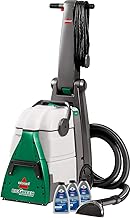
BISSELL Little Green Portable Cleaner
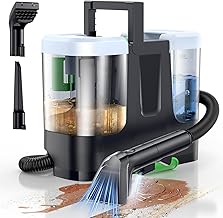
For apartments and dorms, this is the pick that respects your storage situation — it’s roughly the size of a bread machine and handles spot work, upholstery, stair treads, and car interiors with the same tool kit. The tradeoff is manual labor: you’re scrubbing by hand rather than rolling, which is fine for rugs and sofas but tedious across a whole room.
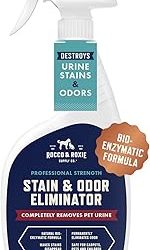
Resolve Professional Strength Spot and Stain
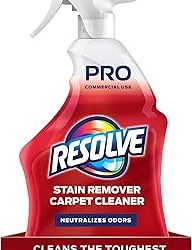
Every small-space home should keep a bottle within arm’s reach of the living area, because the fastest way to avoid deep cleaning is to catch spills in the first five minutes. Blot rather than scrub, and let it dwell the full recommended time — the surfactants need contact to lift pigment out of fiber.
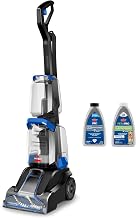
BISSELL TurboClean Upright
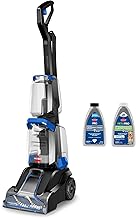
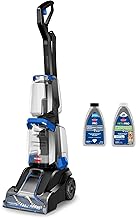
The slimmest genuine upright I’d recommend for tight quarters, and the OXY formula plus included urine eliminator covers most household emergencies without a shelf of separate bottles. It’s a lightweight build, so expect to make more passes on ground-in traffic lanes than you would with a heavier machine.
Hoover PowerScrub Deluxe
The SpinScrub brush row plus HeatForce drying makes this the best choice when your carpet is your only floor and you need it walkable quickly. Storage is the compromise — plan on a hall closet or under-stair nook, since this one won’t hide under a bed.
BISSELL ProHeat 2X Revolution Pet Pro Plus
If you share limited space with a shedding, occasionally-accident-prone animal, the dual Dirt Lifter brushes and dedicated pet upholstery tool earn their footprint. It’s the heaviest machine here, so it suits ground-floor units or homes with an elevator more than a fourth-floor walkup.
Frequently Asked Questions
Can I use a carpet cleaner on a small apartment rug without soaking the floor beneath?
Yes, if you place a plastic drop sheet or moving blanket underneath first and go light on solution. Portable extractors like the Little Green give you far more control over moisture than an upright, which is why they’re the safer bet over hardwood or laminate.
Is a portable cleaner enough, or do I need an upright?
Under roughly 400 square feet of carpet, a portable handles it — slowly, but adequately. Past that, or if you have wall-to-wall carpeting throughout, an upright saves enough time and knee strain to justify the storage cost.
How often should carpet get a deep clean in a small home?
More often than in a large one, honestly, because foot traffic concentrates into fewer square feet. Every six months is a reasonable baseline, dropping to every three or four months with pets or a household that doesn’t remove shoes at the door.
Do I need the brand’s own solution?
You don’t, but you do need a low-foam formula designed for extraction machines. Zep High Traffic works well in machine tanks for heavily-used areas, while household detergents will foam badly and can damage internal components.
Final Thoughts
For most small-space readers, the BISSELL Little Green is the honest answer — it stores easily, cleans rugs and upholstery competently, and never becomes clutter you resent. Step up to the BISSELL TurboClean if you have wall-to-wall carpet and a closet to spare, and keep a bottle of Resolve on hand regardless, since same-day spot treatment prevents most of the deep cleaning you’d otherwise be scheduling.