Key takeaways
- Pile height: Measure your door clearance before anything else. Anything over about a quarter inch will bind under a standard interior door, so low-profile or flatweave construction is the safe bet in tight quarters. Flatweaves also let a floor vent or baseboard heater breathe.
- Fiber behavior when wet: Polypropylene and polyester repel moisture and dry quickly, making them the smart choice for climates with real weather. Cotton and wool blends feel better underfoot but stay damp, which invites mildew under the backing.
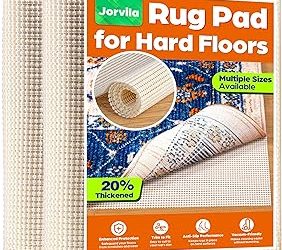
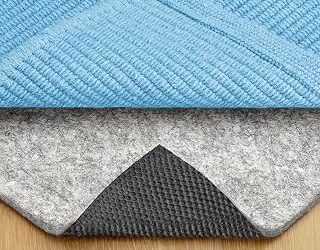
- Backing type: Rubber grips best on tile and sealed hardwood but can leave marks on some finishes. TPR and woven non-slip backings are gentler; either way, lift the rug monthly and let the floor dry.
- Washability: If it doesn’t fit in your machine, you won’t clean it. Check the stated drum size, and favor rugs rated for cold wash and low-heat tumble so the backing doesn’t warp.
- Pattern density: Busy prints and heathered mid-tones hide grit between washes far better than solid cream or charcoal. In a small entry, a tighter pattern also makes the floor read as deliberate rather than cluttered.
What's inside
An entryway is the hardest-working square footage in any home, and in a small apartment or condo it’s often doing three jobs at once: shoe drop, mail landing pad, and the only visual transition between the hallway and your living space. The material you choose has to survive grit tracked in from the sidewalk, dry wet soles fast enough to keep moisture off the floor beneath, and lie flat enough that a door swings clear and nobody catches a toe. Most rugs fail on at least one of those counts. Thick shags trap debris and jam under doors, cotton throws hold water like a sponge, and cheap latex backings crumble into gray dust on hardwood within a season.
This guide breaks down which materials actually hold up in a tight entry, from low-profile rubber-backed polyester to flatwoven polypropylene that shrugs off snowmelt. Below you’ll find the picks worth considering in 2026, sized from 2×3 doormats for a narrow landing up to 5×8 runners for open-plan entries that flow straight into the living room, plus the specs that separate a rug you’ll replace in six months from one that still looks intentional after two winters.
As an Amazon Associate we earn from qualifying purchases.


How to Choose a Material For Entryway Rug (2026)
- Pile height: Measure your door clearance before anything else. Anything over about a quarter inch will bind under a standard interior door, so low-profile or flatweave construction is the safe bet in tight quarters. Flatweaves also let a floor vent or baseboard heater breathe.
- Fiber behavior when wet: Polypropylene and polyester repel moisture and dry quickly, making them the smart choice for climates with real weather. Cotton and wool blends feel better underfoot but stay damp, which invites mildew under the backing.
- Backing type: Rubber grips best on tile and sealed hardwood but can leave marks on some finishes. TPR and woven non-slip backings are gentler; either way, lift the rug monthly and let the floor dry.
- Washability: If it doesn’t fit in your machine, you won’t clean it. Check the stated drum size, and favor rugs rated for cold wash and low-heat tumble so the backing doesn’t warp.
- Pattern density: Busy prints and heathered mid-tones hide grit between washes far better than solid cream or charcoal. In a small entry, a tighter pattern also makes the floor read as deliberate rather than cluttered.
The Best Material For Entryway Rug (2026)s Reviewed
Washable 2×3 Entryway Rug, Beige
A soft vintage-look mat in a neutral beige that reads warmer than most synthetic runners, with a non-slip base and a genuinely machine-friendly build. The 2×3 footprint is the sweet spot for a narrow landing where a larger rug would fight the door.
Non-Slip Rubber-Backed Door Mat, 24″x36″, Khaki
This is the workhorse of the group: rubber backing that stays put, absorbent low-profile face, and enough density to scrape debris off soles rather than pass it through. Best positioned just inside the threshold where moisture control matters more than looks.
Lahome Floral Washable Rug, Black Paisley
The dark paisley print is a practical choice disguised as a decorative one, since the pattern camouflages everyday grit between washes. Stain resistant and slim enough for doors and cabinet swings in a compact entry or laundry nook.
Unique Loom Indoor/Outdoor Flatweave, Light Gray/Ivory
A flatweave in an indoor/outdoor construction is the most durable material class here, handling wet shoes and heavy traffic without matting. At 3’3″ x 5’3″ it suits an entry that opens directly into a room and needs the rug to carry both zones.
nuLOOM Kailani Green Geometric, 5’x8′
Fully machine washable at 5×8, which is unusual at this size and a real advantage if your entry doubles as living space. The geometric print and muted green hold up visually against foot traffic better than a flat solid would.
Frequently Asked Questions
What is the single best material for an entryway rug?
Polypropylene, especially in a flatweave. It resists moisture, releases dirt in the wash, and doesn’t crush under repeated traffic. Polyester blends are a close second and tend to feel softer underfoot.
Should I use one rug or two in a small entry?
Two, if space allows. A rubber-backed scraper mat right at the door catches the worst of it, and a softer washable rug just past it handles the rest. This setup also means you’re only laundering the smaller piece frequently.
Will rubber backing damage my floors?
It can on certain oiled or waxed finishes, particularly if moisture gets trapped. Lift and air the rug regularly, and if you’re unsure about your finish, choose a woven or TPR backing instead.
How often should an entryway rug be washed?
Every three to four weeks in normal use, more often during wet or snowy months. Vacuum both sides weekly between washes to keep abrasive grit from cutting the fibers.
Final Thoughts
For most small entries, pair the Non-Slip Rubber-Backed Door Mat at the threshold with the Washable 2×3 Beige Rug just inside for a setup that manages moisture and still looks composed. If your entry opens into a living area, the Unique Loom Indoor/Outdoor Flatweave is the most durable single-rug answer, and the nuLOOM Kailani is the pick when you want washability at full room scale.