Key takeaways
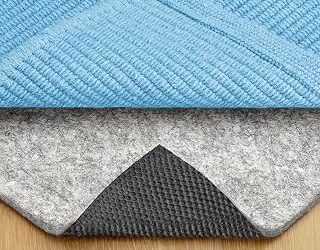
- Floor-safe backing: Look for felt, natural rubber, or a clearly labeled hardwood-safe material rather than PVC, plastic film, or adhesive coatings that may react with a floor finish.
- Correct size: Choose a pad slightly smaller than the rug—usually about 1 to 2 inches short on every side—so it stays hidden and does not create a visible border.
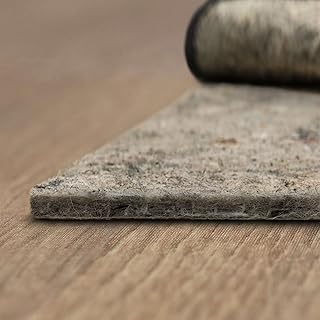
- Useful thickness: A 1/4-inch pad is a practical middle ground for cushioning and stability. Thinner pads suit low-clearance doors, while thicker options feel plusher but may be harder to conceal.
- Two-sided grip: A textured or rubberized underside helps hold the pad to the floor, while a grippy top surface helps prevent the rug from shifting over it.
- Room conditions: In humid areas or beneath tightly woven rugs, choose a breathable pad and occasionally lift the rug to clean and air the floor underneath.
What's inside
Shopping for a rug pad for hardwood floors is less straightforward than it looks. A pad needs to stop slipping without leaving tacky residue, discoloring the finish, or trapping too much moisture beneath the rug. It also has to add enough cushioning to make a room feel comfortable without creating a noticeable ridge at the edges or interfering with doors.
This guide focuses on the details that matter in smaller homes: dependable grip, manageable thickness, easy trimming, and protection for finished wood surfaces. The selections below cover full-size living-room rugs as well as compact runners and entryway pieces, so you can match the pad to both your floor and your available space.
As an Amazon Associate we earn from qualifying purchases.



How to Choose a/an Rug Pad For Hardwood Floors (2026)
- Floor-safe backing: Look for felt, natural rubber, or a clearly labeled hardwood-safe material rather than PVC, plastic film, or adhesive coatings that may react with a floor finish.
- Correct size: Choose a pad slightly smaller than the rug—usually about 1 to 2 inches short on every side—so it stays hidden and does not create a visible border.
- Useful thickness: A 1/4-inch pad is a practical middle ground for cushioning and stability. Thinner pads suit low-clearance doors, while thicker options feel plusher but may be harder to conceal.
- Two-sided grip: A textured or rubberized underside helps hold the pad to the floor, while a grippy top surface helps prevent the rug from shifting over it.
- Room conditions: In humid areas or beneath tightly woven rugs, choose a breathable pad and occasionally lift the rug to clean and air the floor underneath.
The Best Rug Pad For Hardwood Floors (2026)s Reviewed
Jorvila Non-Slip Rug Pad Gripper
The Jorvila 8-by-10-foot pad is a sensible choice for large area rugs in open-plan rooms, where even small amounts of movement become noticeable. Its cushioned construction can make a thin rug feel more substantial, while the generous size gives you room to trim around furniture legs or unusual layouts.
Mohawk Home Non Slip Rug Pad
Mohawk Home’s 8-by-10-foot pad combines felt cushioning with a latex rubber gripper, creating a balanced option for living rooms and bedrooms. The 1/4-inch profile adds comfort without being excessively bulky, and its dual-surface design is particularly useful when you want one pad to work across several floor types.
Veken Non Slip Cushioned Rug Pad Gripper
Veken’s felt-and-silicone pad is designed for shoppers who want noticeable cushioning along with a strong hold. The 8-by-10-foot format works well beneath larger rugs, while the patterned backing provides broad contact rather than relying on a few isolated grip points.
RUGPADUSA Dual Surface Rug Pad
The RUGPADUSA Dual Surface pad is a polished choice for a frequently used room where stability and underfoot comfort both matter. Its felt-and-rubber construction offers a supportive base for an area rug, and the 1/4-inch thickness is a useful compromise for apartments with limited clearance around doors and cabinets.
GORILLA GRIP Strong Rug Pad Gripper
For a small rug, the GORILLA GRIP 2-by-3-foot pad is easier to manage than buying an oversized roll and cutting it down. It suits entryways, bedside rugs, and compact seating areas where reducing corner lift and sideways creep is more important than adding a deep layer of cushioning.
Frequently Asked Questions
Can I use a rug pad directly on hardwood floors?
Yes, provided the pad is specifically identified as safe for hardwood and compatible with finished surfaces. Avoid adhesive-backed pads and materials that can soften, stain, or transfer color to the flooring. It is also wise to check the manufacturer’s care guidance for your particular finish.
Should a rug pad be the same size as the rug?
No. A pad should normally be slightly smaller than the rug on all sides. This keeps the pad out of sight, reduces the chance of catching a toe on an exposed edge, and allows the rug’s border to lie flat against the floor.
How do I stop a rug pad from curling?
Unroll the pad completely and place it flat for a day before installation if possible. Positioning the rug on top soon afterward can help it settle. If the corners still lift, reverse-roll the pad briefly or flatten it under clean, evenly distributed weight.
How often should I clean under a rug?
Lift the rug and pad every few months to vacuum both surfaces and inspect the hardwood. High-traffic areas, homes with pets, and rooms exposed to sunlight may need more frequent checks. Make sure the floor is clean and dry before replacing the pad.
Final Thoughts
For a large, comfortable setup, the Mohawk Home Non Slip Rug Pad is a strong all-rounder, while the RUGPADUSA Dual Surface is a dependable choice for busy rooms. For compact rugs and tighter spaces, the GORILLA GRIP Strong Rug Pad Gripper offers a more appropriately scaled solution without unnecessary bulk.