Key takeaways
- Growth habit: Check whether the vine twines, winds, or needs tying to its support. A self-clinging or naturally twining plant is easier to guide across a pergola roof.
- Structural strength: Fast-growing vines can become surprisingly heavy. Wisteria, in particular, needs a sturdy pergola with well-anchored posts and strong crossbeams.
- Sun and climate: Match the plant to your hardiness zone and available light. Mandevilla prefers warm conditions, while many jasmine and wisteria varieties need several hours of sun for their best flowering.
- Space and upkeep: Compact patios benefit from container-friendly vines and manageable starter plants. Larger climbers need regular pruning so they do not block walkways, gutters, or neighboring plants.
- Seasonal purpose: Choose fragrant jasmine for atmosphere, wisteria for dramatic spring color, or mandevilla for a long display of summer blooms. Evergreen foliage may also provide more consistent screening.
What's inside
A pergola can transform an unused corner into an outdoor room, but choosing the wrong climber can create years of pruning, weak coverage, or roots that overwhelm nearby paving. The best option depends on more than flower color: mature size, support strength, climate, sunlight, and how much room you have for maintenance all matter.
This guide compares flowering vines suited to pergolas, trellises, containers, and compact outdoor spaces. The selections include vigorous wisteria, long-blooming mandevilla, fragrant jasmine, and smaller starter plants, with practical notes to help you match each one to your structure and growing conditions.
As an Amazon Associate we earn from qualifying purchases.




How to Choose a/an Climbing Plants For A Pergola (2026)
- Growth habit: Check whether the vine twines, winds, or needs tying to its support. A self-clinging or naturally twining plant is easier to guide across a pergola roof.
- Structural strength: Fast-growing vines can become surprisingly heavy. Wisteria, in particular, needs a sturdy pergola with well-anchored posts and strong crossbeams.
- Sun and climate: Match the plant to your hardiness zone and available light. Mandevilla prefers warm conditions, while many jasmine and wisteria varieties need several hours of sun for their best flowering.
- Space and upkeep: Compact patios benefit from container-friendly vines and manageable starter plants. Larger climbers need regular pruning so they do not block walkways, gutters, or neighboring plants.
- Seasonal purpose: Choose fragrant jasmine for atmosphere, wisteria for dramatic spring color, or mandevilla for a long display of summer blooms. Evergreen foliage may also provide more consistent screening.
The Best Climbing Plants For A Pergola (2026)s Reviewed
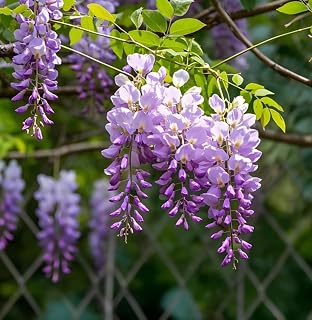
3 Wisteria Live Plants
This three-plant Wisteria floribunda set is a strong choice when you want a classic pergola display and are prepared to train the vines over time. Wisteria can become a substantial woody climber, so give it a robust structure, generous sunlight, and seasonal pruning rather than placing it on a lightweight decorative arch.
Blue Wisteria Live Plant
The Blue Wisteria live plant arrives in a compact 2.5-inch pot, making it a practical starting point for gardeners with limited space or a smaller pergola. Its manageable size is convenient for training, but buyers should expect patience: young wisteria may need several growing seasons before it delivers a mature canopy of flowers.
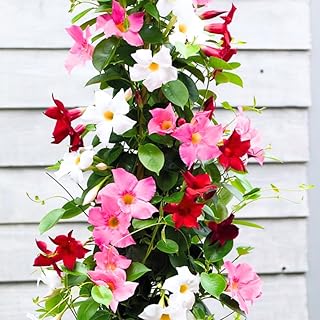
3 Mixed Mandevilla Live Plants
These mixed mandevilla plants suit sunny decks, warm patios, and pergolas where long-lasting summer color is the priority. They are especially useful for container-based layouts because their lighter, flexible growth works well with trellises and hanging-planter arrangements; however, the stated warm-climate range means cold-region gardeners should plan for seasonal protection.
410 Climbing Jasmine Seeds
This jasmine seed collection offers an economical route to a fragrant, leafy pergola covering, particularly for gardeners who enjoy starting plants from seed. Germination and flowering timelines can vary, so it is best for patient growers who can provide warmth, consistent moisture, and an early support system as the young vines develop.
2 Wisteria Live Plants
The two-plant wisteria set is a sensible middle ground for a smaller pergola or a buyer who wants fewer plants to train and prune. It provides enough material to begin shaping a balanced arrangement while keeping the initial planting less crowded than a larger set; as with any wisteria, the pergola should be built to carry mature woody growth.
Frequently Asked Questions
Which climbing plant is best for a pergola?
Wisteria is a standout for dramatic blooms and dense architectural coverage, provided the pergola is strong enough. Mandevilla is better for warm climates and seasonal color, while jasmine is appealing when fragrance and evergreen interest are important.
Can climbing plants grow in containers on a pergola?
Yes. Mandevilla and young jasmine are particularly suitable for large containers, while wisteria can also be container-trained when given a spacious pot and careful pruning. Use a stable container that will not tip as the vine grows.
How strong should a pergola be for wisteria?
It should have firmly anchored posts and substantial beams, because mature wisteria develops heavy, woody stems. Avoid relying on thin lattice, flimsy arches, or surfaces that are attached only to lightweight fencing.
How quickly will a pergola climber cover the structure?
Growth speed depends on the species, climate, watering, sunlight, and plant maturity. Mandevilla may provide a quicker seasonal display, while wisteria often takes longer to establish but can become much more substantial over time.
Final Thoughts
For a long-term statement pergola, the 3 Wisteria Live Plants are the strongest choice if your structure can support vigorous growth. Choose the Blue Wisteria Live Plant or the two-plant set for a more measured start, and consider the mixed Mandevilla plants when warm-weather flowers and container flexibility matter most.