Key takeaways
- Weight: Choose a vine that matches the pergola’s construction; vigorous woody plants need sturdier posts, beams, and regularly spaced supports.
- Climate: Check your USDA hardiness zone, winter temperatures, and whether the plant is sold as seed, rooted stock, or a live plant.
- Sunlight: Match the vine to the pergola’s exposure. Flowering varieties usually need more direct sun than foliage-first climbers.
- Maintenance: Look for manageable pruning needs, especially in small yards where a fast-growing vine can quickly block light or pathways.
- Training: Plan for ties, trellis netting, or horizontal wires so stems climb where you want them instead of attaching randomly to furniture or gutters.
What's inside
A pergola can add shade and structure to a compact outdoor space, but the wrong vine quickly turns that advantage into a maintenance problem. Some climbers stay manageable in containers, while others become heavy, woody, or difficult to contain once they reach the roofline.
This guide compares five promising options for pergolas, focusing on growth habit, flowering appeal, privacy potential, climate fit, and how easily each plant can be trained without overwhelming a small patio or seating area.
As an Amazon Associate we earn from qualifying purchases.




How to Choose a Climbing Vines For Pergola (2026)
- Weight: Choose a vine that matches the pergola’s construction; vigorous woody plants need sturdier posts, beams, and regularly spaced supports.
- Climate: Check your USDA hardiness zone, winter temperatures, and whether the plant is sold as seed, rooted stock, or a live plant.
- Sunlight: Match the vine to the pergola’s exposure. Flowering varieties usually need more direct sun than foliage-first climbers.
- Maintenance: Look for manageable pruning needs, especially in small yards where a fast-growing vine can quickly block light or pathways.
- Training: Plan for ties, trellis netting, or horizontal wires so stems climb where you want them instead of attaching randomly to furniture or gutters.
The Best Climbing Vines For Pergola (2026)s Reviewed
Boston Ivy Vine Seeds
Boston Ivy Vine Seeds are a practical choice when the goal is dense green coverage and added privacy rather than continuous flowers. The seed format requires patience and consistent early care, but it can suit gardeners who want to establish several planting points around a pergola instead of relying on one large container.
Thunbergia Grandiflora Plants
Thunbergia Grandiflora, also called sky vine or Bengal clock vine, brings large blue trumpet-shaped flowers and a noticeably vigorous climbing habit. The two-plant pack can help cover a broad section of an arbor or privacy screen, though it deserves a strong support system and regular trimming in warm climates.
Mixed Mandevilla Live Plants
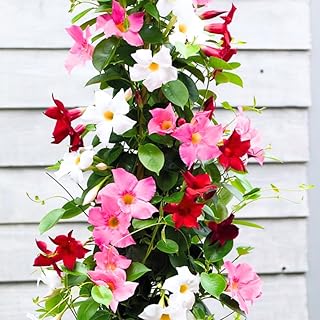
This mixed Mandevilla set is well suited to sunny patios where a pergola needs color without committing to a permanent in-ground planting. Its long-blooming flowers and container-friendly format make it especially useful for renters or small-space gardeners, while the included plants can be distributed across several trellised pots.
Wisteria Live Plants
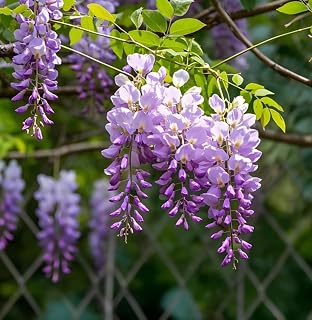
Wisteria offers dramatic flowering clusters and a classic pergola silhouette, making these live plants an appealing long-term choice for a substantial structure. It is not the lowest-maintenance option: mature growth can become heavy, and disciplined pruning is essential to keep the canopy open and prevent the vine from overpowering the frame.
Climbing Jasmine Seeds
Climbing Jasmine Seeds are worth considering when fragrance matters as much as coverage. The white flowers can make a seating area feel more inviting, but seed-grown vines need time to establish, and their final performance will depend heavily on warmth, sunlight, drainage, and local growing conditions.
Frequently Asked Questions
What is the easiest pergola vine for beginners?
A container-grown Mandevilla is often the most approachable option because it arrives as an established plant and can be moved, pruned, or overwintered more easily than a permanent woody climber. Seeds can be rewarding, but they require more time and attention before providing meaningful coverage.
How many vines should I plant around a pergola?
Start conservatively. One vigorous vine may cover a small pergola, while two or three slower-growing plants can create more even coverage. Follow the seller’s spacing guidance and consider the mature width rather than the plant’s size at purchase.
Can a pergola support wisteria?
It can, provided the pergola is structurally strong and the vine is trained along dedicated wires or heavy-duty supports. Wisteria should not be allowed to wrap freely around lightweight lattice, thin posts, or roof components because its mature stems can exert considerable pressure.
Should climbing vines grow in pots or in the ground?
Pots offer better control in compact spaces and make tender varieties easier to protect from cold. In-ground planting generally supports faster, larger growth, but it also makes the vine harder to relocate and may require more frequent pruning near paths, seating, and neighboring structures.
Final Thoughts
For flexible patio color, the mixed Mandevilla live plants are a strong starting point; choose Thunbergia Grandiflora for bold flowers and faster visual impact in a warm setting. If your pergola is built for substantial long-term growth, Wisteria can create the most dramatic architectural effect, provided you are prepared to prune and support it carefully.